
Perolniyoc Waterfall Travel Guide: Hiking, History, and Hidden Beauty in Cusco’s Sacred Valley
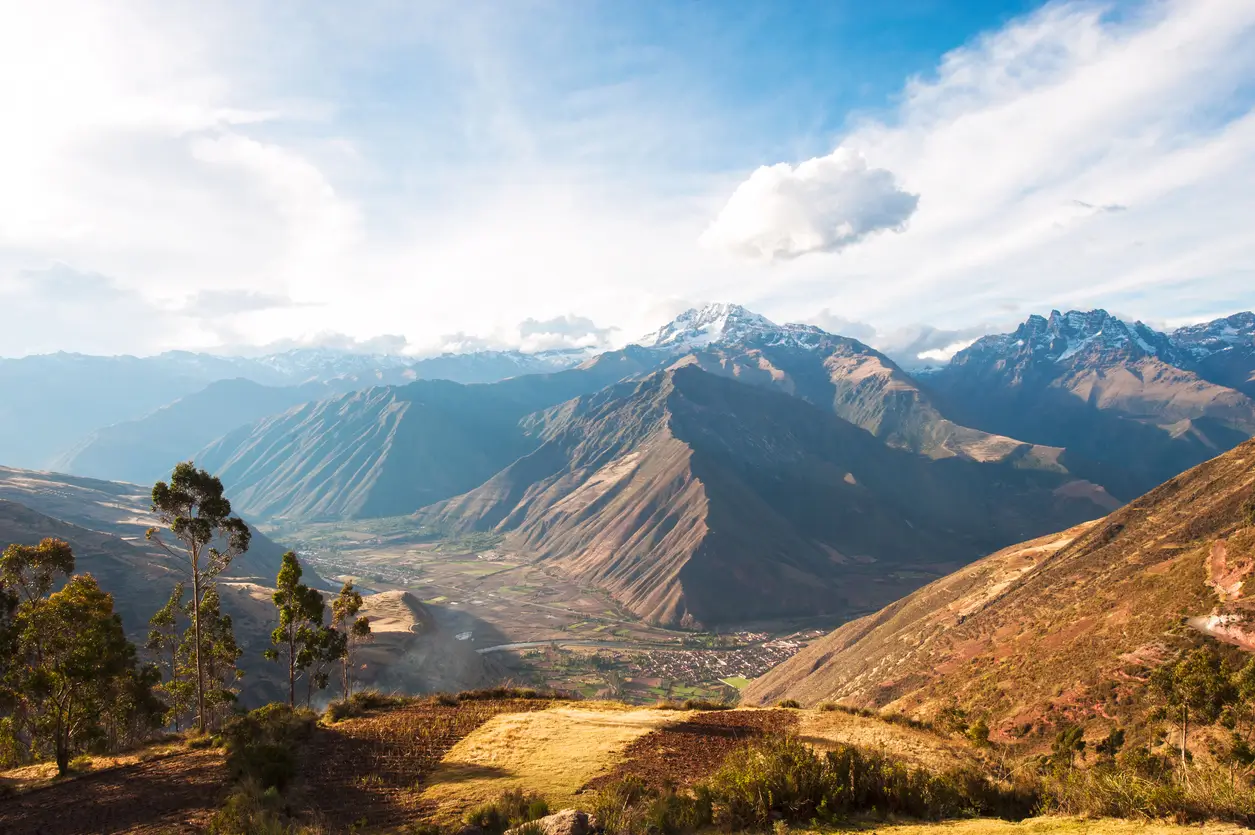
Peru’s Sacred Valley is full of iconic landmarks, but not all of them are overrun with tourists. Perolniyoc Waterfall is a great example of a destination that stays under the radar, even though it has everything that makes the region special. With a hike that can be moderately long and scenic views, and a nearby Inca site, it combines stunning natural scenery and rich historical sites—yet remains free from the heavy tourist traffic common in spots like Ollantaytambo or Pisac.
What sets Perolniyoc apart is how much you can experience in such a visit. The trail to the waterfall winds through peaceful Andean scenery and ends at one of the area’s most stunning cascades. Above the waterfall, you can explore the archaeological site of Raqaypata, which adds a rich cultural aspect to your trip. The journey is rewarding not only for the final view, but also for everything you find along the way.
If you’re planning a trip to Cusco and looking for something different, this is one destination to strongly consider. It’s ideal for travelers who want a bit of adventure without spending a full day on the trail, and it fits perfectly into a Sacred Valley itinerary. Before we get into how to hike there or what to expect on the trail, let’s start with the basics: what exactly is Perolniyoc Waterfall, and why is it worth your time? Keep reading to learn more about Perolniyoc.
What will you find here?
- What is the Perolniyoc Waterfall?
- Taking a Day Trip to Perolniyoc Waterfall
- How to Make Perolniyoc a Multi-Day Hike
- Photography and Sightseeing Tips for Visiting Perolniyoc Waterfall
- Attractions Near Perolniyoc Waterfall
- Keep the Adventure Going: Top Destinations in Peru After Perolniyoc
- Frequently Asked Questions
- Final Thoughts
What is the Perolniyoc Waterfall?
Perolniyoc Waterfall is one of the most scenic natural spots in Cusco’s Sacred Valley. Located near the small community of Socma, this waterfall drops from a height of around 50 meters (approximately 164 feet), sending a steady stream of water down a steep, rocky cliff. The sound is constant. The air feels fresh. And the entire area has a calm, open energy that sets it apart from busier Sacred Valley attractions.
The “Veil Effect” and Why It’s So Photogenic
What makes this waterfall stand out is something locals call the “veil effect.” As the water falls, it spreads into a fine sheet resembling a white veil floating down the rocks. In the right light—especially during early morning or late afternoon—the water catches the sunlight, creating a soft glow that makes it one of the most photogenic waterfalls near Cusco. It’s simple, yet stunning. Travelers often stop here for photos or just a quiet moment before continuing the hike.
Nature Around the Trail
The area surrounding Perolniyoc is full of life. On the way up the trail, you’ll pass native plants like queuña (Polylepis) trees and small flowering shrubs that thrive in high-altitude climates. With a bit of luck, you might also spot Andean birds flying overhead or hear small streams flowing down from the hills. It’s not a jungle, but it’s green, peaceful, and rich in local biodiversity.
The Ruins of Raqaypata
Just above the waterfall sits something many visitors don’t expect to find—a small but significant Inca ruin called Raqaypata. These stone structures once formed part of a rest stop or religious site used by the Incas, possibly for travelers or messengers passing through. The location is no accident. The Incas often built near water sources, especially ones believed to hold spiritual value. From up here, you also get a full view of the waterfall and the valley below.
A Place with History and Spirit
While Perolniyoc isn’t one of the major historical sites in the Sacred Valley, it still holds cultural meaning. Local communities recognize the area as sacred. Water has always been important in Andean beliefs—linked to life, fertility, and cleansing. Alongside the nearby archaeological remains, the place provides an exceptional fusion of peaceful landscapes and rich heritage.
Taking a Day Trip to Perolniyoc Waterfall
A day trip to Perolniyoc Waterfall is one of the most refreshing ways to discover a quieter side of the Sacred Valley. It doesn’t require a full day of hiking but offers just enough adventure, nature, and history to leave you feeling like you experienced something meaningful. Whether you’re based in Cusco or Ollantaytambo, this hike easily fits into your itinerary without feeling rushed.
The trail starts in the small village of Socma, where the air is cooler and the pace of life slower. From there, you’ll hike toward the waterfall and the Inca ruins of Raqaypata, both perched high above the valley floor. This less-frequented route means fewer crowds and a more intimate connection with the landscape.
Flexible Day Trip Plan
There’s no fixed schedule here. You can set out in the morning, take your time on the trail, and return by mid-afternoon. Most visitors spend a few hours hiking, resting, and exploring the waterfall and ruins. If you’re coming from Cusco, it’s wise to start early to avoid the midday heat. If you’re closer—such as in Ollantaytambo—you’ll enjoy even greater flexibility.
Bringing snacks or a light lunch is recommended since there are no food vendors near the trail. Many hikers choose to stop for a meal in Urubamba or Ollantaytambo on the way back.
Trail Overview: Distance, Difficulty, and What to Expect
The hike to Perolniyoc Waterfall is relatively short but steadily uphill. The round-trip distance is about 3 kilometers (under 2 miles). Most people rate the hike as moderate—not flat, but not overly challenging. The trail is well-marked and safe, though the elevation may slow your pace slightly.
What makes this hike so rewarding is the rapid change in scenery. One moment you pass by farmland and adobe homes; the next, you’re surrounded by towering cliffs, soaring birds, and the increasing sound of rushing water.
Upon reaching the waterfall, you can pause to enjoy the base or climb higher to visit the ruins overlooking the falls. Both spots offer spectacular views of the surrounding valley.
What You’ll See on the Trail
The trail winds through a tranquil part of the Sacred Valley. You’ll pass traditional farmland where locals cultivate potatoes, corn, and quinoa. Stone walls, grazing animals, and occasional villagers serve as reminders that this is still a living community—not just a tourist destination.
The area hosts native Andean plants such as wildflowers, cacti, and highland shrubs. If you move quietly, you might spot hummingbirds or small falcons flying overhead. No crowds. No city noise. Just the wind, the trail, and the views.
Closer to the top, you’ll come across the Raqaypata ruins, perched above the waterfall. These stone remains are smaller than some other Inca sites but add charm to the hike. Historians believe it may have been a resting or ceremonial place. Either way, it’s a peaceful spot to pause before your descent.
How to Make Perolniyoc a Multi-Day Hike
While most visitors experience Perolniyoc Waterfall as a short hike or half-day trip, it’s possible to extend the adventure into a longer multi-day trek. If you enjoy slow travel, mountain trails, and immersive local encounters, you can turn this into a full Sacred Valley hiking route off the beaten path. This is not part of the typical tourist circuit, which adds to its appeal.
There’s no need for special permits or a guided group tour. With some preparation, you can connect to small communities, remote trails, and additional Inca sites along the way.
Build a Custom Route Through the Sacred Valley
One approach is to start your hike in Socma and continue on foot toward Pachar, Ollantaytambo, or further into the valley. After visiting Perolniyoc Waterfall and the Raqaypata ruins, you can descend to the road, then cross over to nearby trails passing through agricultural lands and lesser-known viewpoints.
If you have camping gear, you’ll enjoy greater flexibility with timing. However, even without it, you can plan overnight stays in local guesthouses or rural homestays. Many families in the Sacred Valley offer simple accommodations and meals for hikers, though these options are rarely listed online. They can often be arranged locally in Socma, Yanacocha, or Soqma Alto.
Possible 2–3 Day Itinerary
Here’s a rough idea of how you could plan a multi-day route:
Day 1: Begin in Socma, hike to Perolniyoc Waterfall, explore the Raqaypata ruins, and continue toward a nearby village. Spend the night in a guesthouse or camp near the community.
Day 2: Trek toward Ollantaytambo, taking side trails with scenic valley views. Discover small archaeological sites or quiet viewpoints along the way. Overnight in Ollantaytambo or its vicinity.
Optional Day 3: Extend your trek by linking with other routes, such as the Inca Quarry Trail or ridge hikes, then return by vehicle or connect to other parts of the Sacred Valley.
This route avoids crowded spots and offers a deeper connection to the land and its people.
Things to Keep in Mind
- Water and food access are limited in remote areas. Bring enough supplies, especially between villages.
- There’s no cell signal in many parts of the trail. So, make sure to let someone know your route if you’re hiking independently.
- Trails are not always clearly marked, making a local guide or offline GPS app valuable, especially when combining routes.
- Weather shifts quickly in the highlands. Layers and rain protection are a must, even during the dry season.
- Respect private property. Many paths cross farms or village homes—greet locals and ask permission before camping nearby.
Making Perolniyoc a multi-day hike allows you to enjoy much more than just the waterfall. It transforms the area into an extended journey blending culture, nature, and community life. If you’re seeking a less touristy Sacred Valley hiking experience, this is one of the best ways to find it.
Photography and Sightseeing Tips for Visiting Perolniyoc Waterfall
Perolniyoc Waterfall is a stunning spot that offers plenty of opportunities for memorable photos and peaceful sightseeing. Whether you’re just experimenting with photography or are a dedicated shooter, a few straightforward tips can help you maximize your visit and truly highlight the beauty of this secret spot in the Sacred Valley.
Photography Tips
- Visit early in the morning for soft, flattering light and fewer visitors.
- Use a wide-angle lens or the wide camera mode on your phone to capture the full height and surroundings of the waterfall.
- Bring a tripod if you want steady shots or to try long exposures for smooth, silky water effects.
- Experiment with different angles and perspectives—move around to discover unique viewpoints.
- Take advantage of natural, diffused light; overcast or cloudy days can provide even lighting without harsh shadows.
- Protect your gear with a waterproof case or bag, as mist from the falls can be heavy.
- Be patient and wait for moments without crowds for clean, uninterrupted shots.
Sightseeing Tips
- Make sure to wear sturdy, comfortable shoes that have a good grip, as the trail is rocky and may be slippery at times.
- Bring plenty of water, snacks, and insect repellent to stay comfortable during your hike.
- Take time to explore the smaller pools and cascades around the main waterfall—they’re often less crowded and just as beautiful.
- Stay safe by avoiding climbing on wet or slippery rocks near the edge of the falls.
- Show respect for the environment by keeping it clean and not disturbing the local flora and fauna.
- Enjoy the serene atmosphere—the peaceful sounds of flowing water and fresh mountain air are part of the experience.
Visiting Perolniyoc Waterfall is not only about admiring its beauty—it’s also a moment to pause, embrace the natural surroundings, and capture memories that will stay with you long after you leave. Following these tips will make your trip both rewarding and unforgettable.
Attractions Near Perolniyoc Waterfall
While Perolniyoc Waterfall is a breathtaking destination on its own, the surrounding area is packed with captivating sites that enrich your visit. From historic ruins and local villages to beautiful trails, these nearby spots reveal the rich culture, history, and natural wonders of Peru’s Sacred Valley.
Raqaypata Archaeological Site
Just above Perolniyoc Waterfall lie the impressive Inca ruins of Raqaypata, offering expansive views of the valley below. This site provides a fascinating insight into Inca history and culture. As you wander through the stone structures, you can almost sense the echoes of the past blending with the stunning landscape—a must-see for history enthusiasts and nature lovers alike.
Ñaupa Church (Iglesia Ñaupa)
Located not far from the waterfall, Ñaupa Church is a unique site where Inca and colonial influences converge. It is not a conventional church but rather an ancient spiritual location. Many visitors report a deep sense of calm here, making it a special place for those seeking to connect with the region’s spiritual heritage. Its distinct architectural style reflects the blending of cultures over centuries.
Soqma (Socma) Village
Soqma Village, the gateway to the Perolniyoc hike, is a traditional Andean community that offers an authentic experience of rural life in the Sacred Valley. Here, you can meet locals who uphold centuries-old customs and enjoy the warm hospitality typical of the area. Starting your adventure here gives you a real taste of Andean culture.
Inca Quarry Trail
This scenic trail leads hikers through ancient Inca stone quarries set amidst breathtaking highland scenery. It’s perfect for those interested in history and nature, with ever-changing views that might include colorful wildflowers in the growing season or snow-capped peaks in colder months. The trail offers a rewarding multi-day trekking experience.
Soqma to Ollantaytambo Trail
Connecting Perolniyoc to the historic town of Ollantaytambo, this trail features spectacular vistas and diverse terrain. Hikers travel through remote communities and varied landscapes, culminating in Ollantaytambo—the well-preserved heart of Inca civilization.
Andean Agricultural Terraces
Surrounding the waterfall are centuries-old agricultural terraces still actively farmed by local communities. These terraces exemplify Inca engineering brilliance and sustainable farming techniques that continue to support traditional crops today. Observing them gives travelers a unique perspective on the deep relationship between people, land, and history in this region.
All in all, the surroundings of Perolniyoc Waterfall showcase a fascinating blend of cultural, historical, and natural experiences. Whether you’re drawn to ancient ruins, local life, or scenic trails, each nearby site adds a unique layer to your Sacred Valley experience—making your visit truly unforgettable.
Keep the Adventure Going: Top Destinations in Peru After Perolniyoc

Peru is a land full of incredible adventures that extend well beyond the beauty of Perolniyoc Waterfall. Whether you’re a history buff, nature lover, or cultural explorer, there are plenty of unforgettable places waiting to be discovered.
Here are some top destinations to consider for the next leg of your Peruvian journey.
Pisac
First up, Pisac. It’s known for its hilltop Inca ruins and lively artisan market. Pisac sits in the eastern part of the Sacred Valley, where you’ll find a blend of culture, history, and breathtaking views. At the ruins, you’ll see stonework that’s truly impressive, including agricultural terraces and ceremonial sites. Plus, when you explore the artisan market, you’ll discover traditional crafts made by local artisans. Don’t miss the colorful souvenirs and textiles—some of the best in the region. This place is a real gem of the Sacred Valley.
Moray
Next, let’ s talk about Moray. This site is famous for its unique agricultural terraces, which look like big circular amphitheaters. These concentric terraces were likely used by the Incas to experiment with microclimates for growing different crops, showing how advanced they were in farming. Walking around Moray feels a bit like stepping back in time. It’s an awe-inspiring spot that showcases the Inca civilization’s amazing innovation.
Chinchero
Now, on to Chinchero. What makes this village unique is its traditional weaving techniques, preserved through generations. Here, you can watch how locals create beautiful textiles using ancient methods like backstrap looms and natural dyes. And the views? Absolutely stunning. You can enjoy scenic mountain vistas while learning about Andean culture. Located between Cusco and Urubamba, Chinchero is a perfect stop for those interested in both history and nature.
Cusco
Moving on to Cusco, the historic capital of the Inca Empire. This city is a cultural hotspot. Its rich colonial architecture blends beautifully with the ruins of ancient Inca walls, particularly around the city center and sites like Qoricancha. You’re also near numerous museums that offer deep dives into the region’s history and culture. Cusco is ideal for those gearing up for Machu Picchu. It’s vibrant and has great energy.
Aguas Calientes (Machu Picchu Pueblo)
Let’s not forget Aguas Calientes, also known as Machu Picchu Pueblo. Accessible by the Inca Rail or Peru Rail train from Cusco or Ollantaytambo, this town is your staging point to reach Machu Picchu. Nestled in the cloud forest, it’s a charming spot with plenty of local eateries, markets, and cozy stays. It’s a perfect base to relax before hitting the trails or hopping on the bus up to the archaeological site.
Machu Picchu
Finally, get ready for the highlight: Machu Picchu. You can reach this iconic site from Aguas Calientes by bus, or you can hike part of the Inca Trail if you’re up for more adventure. Machu Picchu is an incredible finale to your Peruvian journey. Set against a dramatic mountain backdrop, this Inca citadel is full of mystery, history, and natural beauty. It’s a sight you won’t soon forget.
These amazing destinations keep your Peruvian adventure alive long after your visit to Perolniyoc. From ancient ruins and traditional villages to breathtaking landscapes and vibrant cities, Peru offers something special for every traveler. No matter your route, each stop brings a new perspective on this extraordinary country.
Frequently Asked Questions
Planning a visit to Perolniyoc Waterfall? Whether you’re hiking for the views, exploring nearby ruins, or just want to experience one of the Sacred Valley’s hidden gems, this FAQ section covers everything you need to know.
How long is the hike to Perolniyoc Waterfall?
The trek to Perolniyoc Waterfall typically lasts around 1 to 2 hours for a round trip from Socma, varying based on your walking speed and the number of stops you make to take photos. For those coming from further away, add travel time and breaks, which can turn the whole excursion into a half‑day or full‑day outing. Some versions of the trail that include Raqaypata or extended segments take upwards of 4‑5 hours in total.
What is the difficulty level of the Perolniyoc hike?
The hike is generally considered moderate, with some steep uphill sections and uneven terrain. Altitude is a factor—the waterfall is around 3,460 meters above sea level in many sources, which can make the hike more strenuous, especially for visitors not acclimatized. It’s manageable for hikers with a basic level of fitness, but you should expect to rest often, move more slowly on steeper parts, and plan for varying trail conditions.
Is the trail to Perolniyoc well-marked?
The trail is marked in many sections, especially near Socma and close to the waterfall, but signage can become sparse higher up toward the Raqaypata ruins. Local guides, residents, or homestay hosts are often helpful for giving directions or pointing out less obvious turns. Having a GPS map or an offline map app is recommended, especially if you explore lesser-known paths or combine multiple segments.
Will I experience altitude sickness at Perolniyoc?
Since the elevation of the waterfall is about 3,460 meters (11,300‑12,000 feet) above sea level, some people may notice symptoms of altitude sickness, especially if they arrive from lower elevations without acclimating. To reduce risk, spend at least a day or two in Cusco or the Sacred Valley prior to the hike, stay hydrated, avoid heavy meals or alcohol, and move at a steady pace.
What is the best time of year to visit Perolniyoc?
The dry season, from May through September, is generally the best time to hike—trails are less muddy, skies clearer, and rainfall minimal. However, just after the rainy season (around March‑April) can be an excellent time to see the waterfall with more volume of water and lush vegetation. Be aware that even in the dry season afternoons may see occasional showers and mornings can be cold, so pack layers.
Can I visit Perolniyoc on a day trip from Cusco?
Yes, you can, but it will be a long day. Factoring in transport from Cusco to Socma (or Pachar), plus the hike to the waterfall and ruins, expect 6‑8 hours or more for the full round trip, depending on traffic and how much time you spend on the trail. Leaving early in the morning is essential to avoid rushing and to make the most of daylight hours.
Can I swim in Perolniyoc Waterfall?
Swimming is generally not recommended because the water is cold and currents near the base can be unpredictable. Some people do wade or sit in shallower pools, but safety depends heavily on recent rainfall and local conditions. Always check locally whether the water level permits safe access, and avoid going beyond your comfort level or in risky areas.
Can I include Perolniyoc in a Sacred Valley tour?
Yes, many tour operators offer packages or day trips that include Perolniyoc together with other Sacred Valley attractions. Combining it with nearby ruins, villages, or viewpoints gives you a richer experience and maximizes your time in the region. It’s helpful to verify that organizers include transportation (to Socma or Pachar) and guide services, especially for less marked trail sections.
How much time should I set aside to visit Perolniyoc?
If you’re already based in or near Socma or Ollantaytambo, half a day is usually enough for the hike, exploration, and return. But if you’re coming from Cusco or other further locations, plan for a full day—allowing for transportation, rest, meals, and taking time at the waterfall and ruins. Including delays (traffic, weather changes) will give you a more relaxed, enjoyable visit.
Final Thoughts
No doubt, Perolniyoc Waterfall is one of the Sacred Valley’s best-kept secrets. It’s a place that feels untouched, peaceful, and full of meaning. From the sound of the water crashing down the cliffs to the quiet ruins above the trail, everything about this spot feels authentic. It’s not just a hike—it’s a blend of nature, history, and real Peruvian culture, all packed into one experience.
Truly, what makes Perolniyoc special isn’t just the waterfall. It’s the journey to get there, the remote setting, and the way it opens your eyes to another side of the Andes. You’re not surrounded by crowds or rushing through a checklist. You’re walking ancient paths, seeing where people lived hundreds of years ago, and soaking in views that haven’t changed much since then. It’s the kind of adventure that stays with you.
This isn’t a long or difficult trek, but it gives you big rewards. And because it’s not far from Ollantaytambo or Cusco, it’s easy to include it even on a short trip. If you’re planning time in the Sacred Valley, Perolniyoc deserves a spot on your list—especially if you want something a little quieter and more personal than the usual tourist stops.
You can also pair your visit with other highlights along the route from Cusco to Ollantaytambo, and finish your journey at Machu Picchu. That’s where Inca Rail makes the difference. We connect travelers to this iconic wonder with a train ride that’s more than just transport — it’s part of the adventure. With comfort, great service, and views of the Sacred Valley all along the way, we make it easy to explore Peru in style.
Let Inca Rail help you experience more of what makes this country unforgettable. Book your train tickets today and start your journey!


