
What Kind of Landscape Does Cusco Have? Discover Peru’s Most Breathtaking Terrain
Cusco is famous for its rich history, especially as the heart of the Inca Empire—but its landscape is just as incredible. Located in the southern Andes of Peru, Cusco is home to a wide variety of natural environments packed into a relatively small area. One moment, you might be walking across high mountain plains where llamas graze near ancient stone terraces; the next, you’re looking down into deep river valleys or wandering through misty cloud forests alive with colorful plants and animals. Because the land rises and falls so dramatically, every part of Cusco looks and feels different.
This stunning scenery took millions of years to form. The region’s sharp mountain peaks, green valleys, and winding rivers are the result of powerful forces like tectonic uplift, erosion, and glaciers carving through the landscape over time. While volcanic activity helped shape other parts of the Andes, it had only a small effect on Cusco’s terrain. Today, this unique mix of landscapes supports both traditional Andean communities and modern agriculture, making Cusco one of the most diverse and culturally rich areas in South America.
So, what kind of landscape does Cusco have? In short: a little bit of everything. And that variety is exactly what makes exploring this region such a memorable experience. In this guide, we’ll take you through the main types of landscapes you’ll see in Cusco, explore how they connect to local culture, and help you know what to expect when you visit. But first, let’s start with where Cusco is on the map.
What will you find here?
- The Geography Behind Cusco’s Stunning Landscapes
- Why Cusco’s Landscape Captivates Travelers
- What Kind of Landscape Does Cusco Have? Exploring Its Diverse Natural Beauty
- Outdoor Activities Across Cusco’s Different Terrains
- Planning Your Trip: Top Ways to Experience Cusco’s Stunning Landscapes
- Frequently Asked Questions
- Final Thoughts
The Geography Behind Cusco’s Stunning Landscapes
Cusco, once the heart of the Inca Empire, is in a truly special spot in the Andes Mountains of southern Peru. It’s tucked away in the southeastern part of the country. The Andes mountain range is a big deal here—in fact, it’s the longest continental mountain range in the world, and Cusco sits right in the middle of it. Cusco is at an altitude of around 3,400 meters (about 11,150 feet) above sea level. This high elevation gives the area its cool, crisp air, which is very different from the warmer, more humid climates found in the lower parts of Peru.
Cusco’s high elevation gives it a very distinct climate with two contrasting seasons. From May to October, the weather is generally sunny and crisp, though nights can become quite cold—sometimes dropping close to freezing. Between November and April, frequent rainfall sets in, turning the surrounding hills and the Sacred Valley into vibrant, green landscapes.
What makes Cusco’s geography stand out in Peru is how it sits where several different natural regions meet. It’s like a crossroads between the towering Andes, the fertile valleys that run between the peaks, and the edge of the Amazon rainforest. You get a mix of terrains all in one place—from high mountain passes to deep gorges, and even cloud forests further east.
This intersection of mountains, valleys, and jungle creates some truly breathtaking scenery. The dramatic peaks of the Andes form a majestic backdrop, while the valleys and rivers offer fertile land that’s still used for farming today. As you move farther from the city and closer to the jungle, you’ll notice a sudden burst of tropical plants, birds, and other wildlife. It’s a place where ecosystems mix in rare and beautiful ways.
Cusco’s unique location not only contributes to its natural beauty but also to its deep cultural and historical importance. The geography has shaped everything from traditional farming methods, like the famous terraced hillsides, to the layout of Inca cities, temples, and water channels that are still admired today.
Why Cusco’s Landscape Captivates Travelers
Cusco isn’t just a gateway to Machu Picchu—it’s a destination full of natural and cultural wonder. Set high in the Andes Mountains of southern Peru, the region has tall peaks, wide valleys, cloud forests, and old ruins. It’s a place shaped by both nature and the people who lived there long ago.
Here’s why so many travelers fall in love with Cusco’s unique landscape:
A Living Connection to the Inca World
Cusco’s geography and history go hand in hand. Once the capital of the Inca Empire, the city is surrounded by iconic archaeological sites built with deep respect for the land. From the massive stone walls of Sacsayhuamán to the sacred temple remains at Qorikancha, the landscape holds clues to the past that you can still walk through today.
Biodiversity Born from Varied Terrain
Cusco’s location at the meeting point of the Andes and the Amazon basin creates a surprising variety of environments—from high-altitude grasslands to cloud forests teeming with wildlife. Species like the Andean condor, vicuña, and even the rare spectacled bear can be found in this diverse region, making it a rewarding destination for wildlife watchers and nature lovers.
Endless Adventure Around Every Corner
With its steep mountain trails, roaring rivers, and scenic valleys, Cusco offers unforgettable adventures. Hike the Inca Trail, explore the Sacred Valley by bike, or take in the view from Rainbow Mountain—there’s something here for every pace and passion. The dramatic geography provides the perfect playground for both thrill-seekers and casual explorers.
Culture That Grows from the Land
The people of Cusco have shaped, and been shaped by, the land for centuries. Traditional farming methods, local textiles, and mountain festivals all reflect a deep relationship with nature. Visiting surrounding communities lets travelers experience this living culture—where ancient customs still thrive in today’s world.
Cusco’s landscape is more than a backdrop—it’s part of the story. From its towering peaks to its sacred valleys, this region invites you to slow down, look closer, and discover the deep connections between land, history, and culture. Whether it’s your first visit or your fifth, the beauty of Cusco never fades.
What Kind of Landscape Does Cusco Have? Exploring Its Diverse Natural Beauty
Cusco has many different types of landscapes that make it special. From tall mountains and wide-open plains to colorful hills and green forests, the area is full of natural beauty. The mix of these landscapes is part of what makes Cusco such a popular place to visit in Peru.
The land here has been shaped by nature over millions of years. You can see sharp mountain peaks, deep valleys, and flowing rivers all close to each other. Exploring these different types of landscapes helps you understand why Cusco is known for its amazing scenery and rich culture. It’s no wonder travelers love discovering what kind of landscape Cusco has.
The Andean Highlands: The Heart of Cusco’s Landscape
When you ask, “What kind of landscape does Cusco have?” the Andes Mountains are the first answer. These towering peaks don’t just shape the scenery—they affect the climate, culture, and daily life here.
Cusco sits at about 3,400 meters (11,200 feet) in the middle of the Andes, surrounded by sharp peaks and deep valleys. The Vilcanota and Vilcabamba mountain ranges nearby are famous for their snowy summits, glacial lakes, and rugged cliffs.
Some of the most stunning places include Ausangate, the highest peak in the region at 6,384 meters (20,945 feet), and Salkantay, a glaciated mountain often trekked en route to Machu Picchu. These mountains hold spiritual meaning for locals and provide vital water from their glaciers.
The landscape changes fast—one moment you’re in a green valley, and soon you’re crossing cold, high mountain passes. This mix creates unique ecosystems like puna grasslands, high Andean wetlands, and alpine tundra, full of special plants and animals.
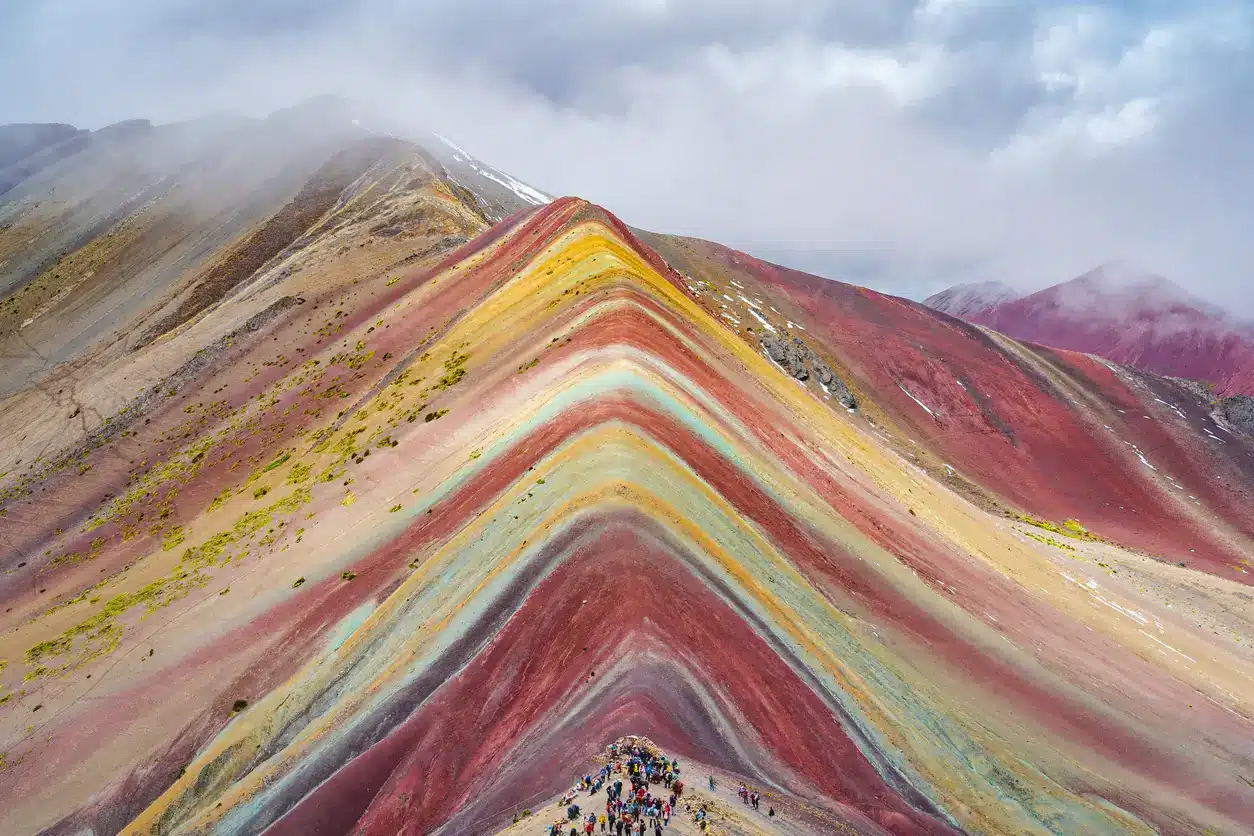
The Andes were formed by tectonic forces still at work today, giving Cusco its dramatic ridges and geologically rich features like Rainbow Mountain, known for its colorful mineral bands. For visitors and locals alike, the Andean Highlands are truly the heart of Cusco’s incredible landscape.
The Sacred Valley: Cusco’s Fertile Heartland
The Sacred Valley is one of Cusco’s most stunning landscapes. It stretches along the Urubamba River, surrounded by towering mountains and steep cliffs. Unlike the high Andes, the valley sits at a lower elevation—between 2,800 and 3,000 meters (9,200 to 9,800 feet)—which means the climate is warmer and ideal for farming.
This fertile land is covered with green fields and ancient Inca terraces carved into the hillsides. These terraces were designed to hold soil and water, making farming possible on steep slopes. Today, local farmers still grow traditional crops like maize, potatoes, quinoa, and fava beans using these ancient methods.
The valley is also rich in history. It’s home to famous Inca sites like Ollantaytambo and Pisac, where stone ruins overlook lush farmland. These places give visitors a glimpse into the past while surrounded by incredible natural beauty.
Travelers often pass through the Sacred Valley on their way to Machu Picchu. The valley offers a perfect mix of culture, history, and landscape, making it one of the best places to understand the variety of Cusco’s terrain. It’s a living example of how nature and people have shaped this region together.
The Altiplano: One of Cusco’s Unique Landscapes
When talking about what kind of landscape Cusco has, the Altiplano stands out as one of the region’s most unique features. These high plains stretch across the area, sitting at very high elevations—often above 3,800 meters (12,500 feet). Unlike the sharp peaks or deep valleys, the Altiplano is mostly flat and wide open, giving a very different feel to the landscape.
The environment here is tough. The air is thin, and temperatures can get very cold, especially at night. Plant life is sparse but hardy, mostly grasses and shrubs that can survive the harsh conditions. Despite this, the Altiplano supports a special ecosystem that has adapted to the high altitude over thousands of years.
Local communities have made the Altiplano their home for centuries. They raise llamas and alpacas that graze the grasslands. These animals are important for wool, transport, and food. The people’s way of life is closely connected to the land, showing how humans and nature coexist in this unique landscape.
The Altiplano offers wide, open views that stretch out to the surrounding mountain ranges. It provides a peaceful, quiet contrast to the busier valleys and rugged mountain areas of Cusco. While much of the Altiplano lies further south toward Lake Titicaca, parts of it extend into Cusco’s southeastern region, making it a vital part of the variety that makes Cusco so special to explore.
Rainbow Mountain: A Colorful Type of Landscape in Cusco
Rainbow Mountain, or Vinicunca, is one of the most famous and unique landscapes that Cusco has to offer. It stands out because of its striking, colorful stripes caused by different mineral layers in the soil. This makes it very different from the green valleys and snow-capped peaks around it.
Located at over 5,000 meters (16,400 feet) above sea level, Rainbow Mountain is a high-altitude wonder. The hike up to the peak can be challenging because of the thin air, but the views are worth every step. On a clear day, you can see vast stretches of mountains and valleys painted in vibrant reds, yellows, and greens.
This landscape is not just beautiful but also a great example of how geology shapes the region. The colorful layers were formed over millions of years through sedimentary processes and the presence of minerals like iron oxide, sulfur, and chlorite. It’s a powerful reminder of the variety in Cusco’s terrain.
For many visitors, Rainbow Mountain is a must-see part of exploring what kind of landscape Cusco has. It offers an unforgettable experience, combining natural beauty, adventure, and a glimpse into the Earth’s history.
Cloud Forests and Jungle Edges: A Lush Landscape in Cusco
Another type of landscape that Cusco has is the cloud forest and jungle edge. These areas are found at lower elevations, where the Andes meet the Amazon basin. Unlike the dry highlands, cloud forests are green, misty, and full of life.
The climate here is warmer and more humid, which helps support a wide variety of plants and animals. Trees are covered in moss, and colorful birds and butterflies fill the air. This landscape feels very different from the rocky peaks and grassy plains that many think of when they imagine Cusco.
Cloud forests also play a big role in local culture and tourism. They are part of the route to Machu Picchu and offer unique opportunities to see rare wildlife and exotic plants. The Inca Trail, one of the most famous trekking routes in the world, passes through sections of this cloud forest ecosystem. Hiking through these forests gives visitors a chance to explore a very different side of Cusco’s natural beauty.
This lush, misty landscape adds to the variety of what kind of landscapes Cusco has. It’s a refreshing change and shows how diverse the region truly is, blending mountains, jungle, and everything in between.
Glacial Lakes and Rivers: The Freshwater Landscape of Cusco
Glacial lakes and rivers are another key part of the landscape Cusco has. These water features are found high in the mountains, formed by melting glaciers over thousands of years. They bring both beauty and life to the region.
One of the most well-known is Humantay Lake, a turquoise glacial lake surrounded by snowy peaks. It sits at over 4,200 meters (13,800 feet) and draws hikers looking for a peaceful and stunning mountain view. These lakes often reflect the surrounding mountains, creating postcard-perfect scenes.
Rivers like the Urubamba and Apurímac flow through Cusco’s valleys and plains, carving out deep canyons and supporting local farms. These rivers are not only important for water, but also for transportation, agriculture, and traditional rituals tied to nature.
This type of landscape—shaped by water and ice—adds to the variety of what kind of landscape Cusco has. It brings contrast to the dry plains and rocky peaks, reminding us that water is a powerful force in shaping both the land and the way people live.
Conclusion: Exploring the Many Landscapes Cusco Has to Offer
Cusco’s landscape is truly one of a kind. From the towering Andes and fertile Sacred Valley to the wide-open Altiplano, colorful Rainbow Mountain, lush cloud forests, and sparkling glacial lakes, each type of terrain offers something special. This variety is what makes Cusco such a breathtaking and unforgettable destination.
When you travel through Cusco, whether by foot or on the famous train ride to Machu Picchu, you’ll experience this incredible mix of landscapes firsthand. The changing scenery—from high mountain passes to green valleys and misty forests—adds excitement and wonder to every step of your journey.
Understanding what kind of landscape Cusco has helps you appreciate the deep connection between nature, history, and local culture here. It’s a place where the land tells stories that go back thousands of years, waiting for you to explore.
Outdoor Activities Across Cusco’s Different Terrains
Cusco isn’t just rich in history and culture—it’s also one of the best places in Peru for outdoor adventure. With so many types of landscapes packed into one region, each area offers unique experiences for travelers of all interests and activity levels.
Here’s a quick guide to the kinds of outdoor activities you can enjoy across Cusco’s diverse regions:
Andean Highlands and Mountains
The high mountains are perfect for those who love dramatic scenery. Trekking is popular here, but there are also other ways to enjoy the area. You can drive or cycle through mountain passes, visit remote villages to learn about traditional lifestyles, or stop at scenic viewpoints to take in the snow-capped peaks and glacial lakes. Photography and birdwatching are also rewarding in this rugged terrain.
Sacred Valley
The Sacred Valley is ideal for a mix of outdoor and cultural activities. You can bike along quiet roads between villages, ride horses through farmland, or join guided tours of Inca ruins like Ollantaytambo and Pisac. Local markets and food experiences give travelers a taste of the region’s traditions. For those seeking water adventure, rafting on the Urubamba River offers excitement amid stunning scenery.
Altiplano (High Plains)
The Altiplano offers a very different experience. This high, open land is home to llamas, alpacas, and unique wildlife. Visitors can take walking tours to observe local birds, visit highland communities to see traditional farming and weaving, or simply enjoy the peaceful, wide-open views. Clear nights make this a prime spot for stargazing, far from city lights.
Rainbow Mountain (Vinicunca)
Rainbow Mountain is famous for its striking colors. While hiking to the peak is the main activity, visitors can also ride horses along part of the trail, take guided photography tours, or learn about the colorful geology from local guides. The area combines natural beauty with an educational experience about the Earth’s history.
Cloud Forests and Jungle Edges
Lower-elevation cloud forests offer a lush, green contrast to the dry highlands. Birdwatching, zip-lining, and guided waterfall hikes are popular here. You can also explore unique plants and learn about local cacao or coffee farming. Sections of the Inca Trail pass through these forests, giving visitors a chance to see wildlife like toucans and orchids in their natural habitat.
Glacial Lakes and Rivers
High-altitude lakes and rivers provide quieter outdoor experiences. You can take short walks along crystal-clear glacial lakes such as Humantay Lake, enjoy picnics, or simply relax and enjoy the reflection of snowy peaks. Some rivers also offer rafting and kayaking for those looking for adventure on the water.
Cusco’s landscapes offer something for everyone—from calm and peaceful outings to thrilling adventures. Each terrain has its own charm and activities, allowing travelers to experience the variety of natural beauty, wildlife, and culture in this unforgettable region.
Planning Your Trip: Top Ways to Experience Cusco’s Stunning Landscapes
Cusco is a region full of breathtaking scenery, from towering mountains and fertile valleys to colorful hills and misty cloud forests. Planning your trip carefully will help you see the best of these landscapes without missing out on comfort or cultural experiences.
Here are some of the ways to experience Cusco’s stunning landscapes:
Take the Scenic Train
The train ride from Cusco or Ollantaytambo to Machu Picchu is a highlight for many travelers. Comfortable seats, large windows, and dramatic views of the Sacred Valley make it a memorable part of the journey. Along the way, you’ll see winding rivers, farmlands, and forested hills that showcase Cusco’s diverse terrain.
Mix Short Walks with Cultural Visits
Instead of focusing only on long hikes, include short walks in local villages, markets, and artisan workshops. These experiences allow you to connect with local culture, learn traditional crafts, and observe daily life in Andean communities. Even brief excursions can leave a lasting impression while giving you a break from more strenuous activities.
Plan for Altitude and Energy
Cusco sits high in the Andes, so it’s important to allow time to acclimate. Start with lighter activities and gradually increase intensity to avoid altitude sickness. Early mornings are often the best time for sightseeing or photography, as the skies are clearer and the air is fresher.
Consider Seasonal Differences
The dry season, from May to October, offers clear skies and easier conditions for outdoor activities. The wet season, November to April, transforms the hills and valleys into lush green landscapes, perfect for photography and exploring local culture. Planning your itinerary around seasonal changes helps ensure the best experience for each destination.
Combine Comfort with Adventure
Balance scenic train rides, guided walks, and cultural stops with more active excursions. This mix allows you to enjoy both relaxing experiences and adventurous moments without feeling rushed. You can take in stunning views, explore historic sites, and still have energy for hands-on cultural activities.
Pack Smart
Layered clothing, sun protection, rain gear, and comfortable shoes are essential for Cusco’s changing weather. Being prepared for both cold mountain mornings and warmer afternoons ensures you can move easily between high-altitude passes, valleys, and forested areas. Proper packing makes every activity more enjoyable and stress-free.
Each place shows a different face of Cusco’s natural landscape—and planning your itinerary to include a mix of elevations, climates, and regions ensures you see just how diverse this corner of Peru truly is. Whether you’re after comfort, adventure, or cultural connection, Cusco’s geography makes every trip unforgettable.
Frequently Asked Questions
Cusco’s landscape is so rich and varied that it often raises questions from travelers. To help you prepare, here are answers to the most common questions about its geography and natural beauty. Explore below to learn more:
What types of landscapes can I find in Cusco?
Cusco boasts a diverse range of landscapes, including towering mountains, green valleys, high plains, and misty cloud forests. The region features iconic areas like the Sacred Valley, Rainbow Mountain, and the Andean Highlands, each offering unique views—from ancient terraces and glacial lakes to colorful hills and deep canyons.
Is Cusco’s landscape good for hiking and trekking?
Yes, Cusco is one of the best places in Peru—and the world—for hiking and trekking. From the famous Inca Trail to Machu Picchu to lesser-known routes like the Salkantay and Lares Treks, the region offers trails for all skill levels. The changing elevations and diverse terrain mean hikers can experience snow-capped mountains, high grasslands, and jungle-like cloud forests in a single trip.
How do the seasons change the look of Cusco’s landscape?
The landscape transforms dramatically between seasons. In the wet season, the valleys and hills turn lush and green, rivers flow more strongly, and wildflowers bloom in many areas. During the dry season, the scenery shifts to golden fields and clearer skies, making it ideal for hiking and photography.
What are the best viewpoints to see Cusco’s landscape?
Cusco offers countless scenic viewpoints. Popular spots include Cristo Blanco, which overlooks the entire city, and Sacsayhuamán, which combines historical ruins with panoramic valley views. In the Sacred Valley, Pisac and Ollantaytambo offer excellent vistas of terraced slopes and dramatic mountains.
For more adventurous travelers, viewpoints on treks like Rainbow Mountain or Humantay Lake provide breathtaking, high-altitude perspectives.
What is the best time of year to visit Cusco for landscape views?
The best time to visit is during the dry season (April to October) when skies are clearer and trails are more accessible. This period offers the best visibility for mountain views and photography. July and August are peak months, but also the most crowded. For a balance of good weather and fewer tourists, consider shoulder months like May or September.
How do tourists usually explore Cusco’s natural areas?
Most visitors explore Cusco’s natural areas through guided tours, treks, and scenic train rides. The Inca Trail is the most iconic, but alternatives like the Salkantay Trek or Sacred Valley day tours are also popular. Scenic train rides to Machu Picchu allow travelers to enjoy the views in comfort. Other ways to explore include horseback riding, biking, and even rafting in some river valleys.
What should I pack when exploring Cusco’s different landscapes?
Pack for a mix of climates. You’ll need layered clothing for varying temperatures, sturdy hiking shoes, a rain jacket (especially if visiting in the wet season), sunscreen, sunglasses, and a hat for sun protection. Don’t forget a reusable water bottle—hydration is key at high altitudes. A camera or smartphone is a must to capture the stunning views.
How does the train journey to Machu Picchu showcase Cusco’s landscape?
The train ride to Machu Picchu is one of the most scenic journeys in Peru. With large panoramic windows, passengers can enjoy views of the Urubamba River, steep cliffs, dense cloud forests, and distant mountains—all from a comfortable seat. It’s a great option for travelers who want to experience Cusco’s natural beauty without a strenuous hike.
Final Thoughts
Cusco’s landscape is truly one of a kind. From towering mountains and colorful valleys to quiet high plains and lush cloud forests, this region offers something for every traveler. Exploring these varied terrains gives you a chance to connect with nature and culture in ways few places can match. It’s no surprise that so many people come here to experience the beauty and history wrapped into one unforgettable destination.
The ever-changing scenery around Cusco keeps every moment exciting. One day you might be hiking up to a snowy peak, and the next, wandering through green valleys dotted with ancient ruins. These landscapes not only provide stunning views but also tell the stories of the people who have lived here for centuries. Understanding the land helps you appreciate Cusco beyond just its famous sites.
When planning your trip, remember that how you travel through Cusco can add depth to your experience. Taking time to explore different parts of the landscape makes your visit richer and more memorable. Plus, with such variety, there’s always something new to see or do—whether it’s trekking, visiting traditional villages, or enjoying peaceful nature spots.
For a truly special way to experience Cusco’s breathtaking landscapes, choose Inca Rail. Our comfortable and luxurious trains depart from Cusco and Ollantaytambo, traveling through the stunning Sacred Valley and offering spectacular views without any hassle. At Inca Rail, we combine excellent service with deep respect for Peru’s culture to make your journey to Machu Picchu unforgettable.
Ready to see Cusco like never before? Book your scenic train ride with Inca Rail today and begin your adventure in style.


