Santurantikuy in Cusco: What It’s Like to Experience Peru’s Traditional Christmas Eve Market
Spending Christmas Eve in Cusco feels different from celebrating it anywhere else in the world. As daylight fades on December 24, the city’s historic center slowly fills with local families, artisans, and visitors, all drawn toward one shared gathering that returns each year. This gathering is known as Santurantikuy, a traditional market that appears for just one night and then disappears almost as quickly as it arrives. For travelers who are in Cusco at this time, the market offers more than a seasonal event. It gives travelers a clear look at how Christmas is lived and practiced in the Andes.
At its core, Santurantikuy is a Christmas Eve market where artisans sell handmade religious figures, nativity scenes, and devotional objects. Even so, describing it only as a place to shop does not fully explain its role. For Cusqueños, the market marks an important moment of preparation and tradition, one that has been passed down through generations. Because these practices continue over time, the atmosphere feels sincere rather than arranged for visitors. As a result, visitors can see that Santurantikuy is not meant as a performance, but as a tradition that continues on its own.
What makes Santurantikuy especially meaningful for travelers is how different it feels from the Christmas markets many people already know. Instead of decorative stalls and seasonal novelty, the focus here is on the long-standing customs and sincere personal faith. As a result, the market feels lively, crowded, and sometimes overwhelming, yet it stays firmly connected to local values. That contrast creates an experience that feels direct and honest, even in a city that has long been shaped by tourism.
If you are planning a December trip to Peru, Santurantikuy adds important context to your time in Cusco. It reveals a side of the city that exists beyond landmarks and planned itineraries, offering insight into how tradition, faith, and community continue to influence daily life. Even a few hours at Santurantikuy can help you connect with Cusco in a way that shapes the rest of your journey, making it more meaningful and memorable.
What will you find here?
- What is Santurantikuy in Cusco?
- When and Where Santurantikuy Takes Place in Cusco
- What It’s Like to Experience Santurantikuy as a Traveler
- Travel Tips for Visiting Santurantikuy
- What Comes After Santurantikuy: Should You Visit Machu Picchu?
- Tips for Visiting Machu Picchu After Santurantikuy
- Frequently Asked Questions
- Final Thoughts
What is Santurantikuy in Cusco?
Santurantikuy comes from the Quechua words santu, meaning “saint,” and rantikuy, meaning “to buy or barter.” Put together, the name literally means buying saints. At its core, the festival is a one-night market where artisans sell handcrafted religious figures, nativity sets, and other devotional items. However, it is much more than a marketplace. The festival reflects centuries of cultural tradition and continues to serve as a living celebration of both faith and community in Cusco.
A Blend of Andean and Catholic Traditions
Santurantikuy originated during the Spanish colonial period, when Catholicism was introduced to the Andes. Indigenous communities adopted these new religious practices but adapted them to their own worldview, incorporating local materials, artistic styles, and symbolic designs. The result is a festival that uniquely blends Andean traditions with Catholic Christmas rituals.
It is the combination of devotion, craftsmanship, and cultural expression that gives Santurantikuy its distinctive character and makes it unlike any European-style Christmas market.
Why Cusco Became the Heart of the Tradition
Cusco’s historical and cultural significance helped make it the natural center for Santurantikuy. As the former capital of the Inca Empire and a major colonial city, its Plaza de Armas served as an ideal gathering place for artisans, families, and religious ceremonies. In addition, the proximity to churches and civic spaces allowed the festival to grow in importance over the centuries, connecting Cusco’s colonial architecture, cultural heritage, and everyday life to this annual celebration.
When and Where Santurantikuy Takes Place in Cusco
Understanding the timing and location of Santurantikuy is essential for planning a visit. The festival happens only once a year, and its setting adds both a cultural and historical dimension to the experience. Knowing when and where to go can help travelers make the most of the market, navigate crowds, and fully appreciate the atmosphere.
Date and Schedule
Santurantikuy always occurs on December 24, coinciding with Christmas Eve preparations throughout the city. The market typically begins in the afternoon and continues into the late evening, giving visitors several hours to explore the stalls and enjoy the festive environment.
Tips for timing your visit:
- Arrive in the late afternoon if you want to see the market set up and avoid the heaviest crowds.
- Evening visits offer the full visual spectacle, with lights and bustling activity in the Plaza de Armas.
- If you prefer a calmer experience, plan to go earlier in the day, but be aware that some artisans may still be arranging their stalls.
Location and Atmosphere
The heart of Santurantikuy is the Plaza de Armas, Cusco’s main square. This historic space, surrounded by colonial architecture and churches, provides a scenic and central backdrop for the market. The festival extends into nearby streets, creating a lively network of stalls where visitors can wander, shop, and interact with local artisans.
Key location points:
- Plaza de Armas: Central hub of the festival, filled with nativity figures, saints, and handcrafted goods.
- Surrounding streets: Overflow areas with additional crafts, food vendors, and smaller stalls.
- Churches and colonial buildings: Provide historical and visual context, enhancing the cultural experience.
By understanding both the timing and location, you can plan a visit that balances crowd levels, lighting conditions, and the opportunity to fully experience the festival. This preparation helps you engage more meaningfully with Cusco’s traditions while exploring the vibrant market.
What It’s Like to Experience Santurantikuy as a Traveler
Visiting the Santurantikuy fair in Cusco is an experience that stays with you long after you leave. Unlike commercialized Christmas markets designed primarily for tourists, Santurantikuy is a living tradition, shaped by centuries of Andean culture and Catholic practice. The market takes place in the heart of Cusco, and from the moment you enter the Plaza de Armas, you are surrounded by a vibrant mix of colors, sounds, and aromas.
Santurantikuy invites visitors to observe, participate, and connect with a culture that values craftsmanship, faith, and family, offering insight into Peruvian traditions.
What You’ll See at the Market
The visual experience at Santurantikuy is diverse and layered. Walking through the plaza and surrounding streets, you’ll notice:
- Andean-style nativity scenes and wooden figures: Each set reflects local artistry, featuring traditional Quechua clothing and facial features rather than European-style figures.
- Religious statues and saints: Hand-carved or painted by artisans, often intended for home altars and devotional use.
- Artisan stalls with folk art and Andean textiles: These include textiles, pottery, jewelry, and decorative items, all featuring unique Andean designs.
- Crowds and community interaction: Families, artisans, and travelers converge in the plaza, creating a lively yet communal atmosphere.
- Music and live performances: Traditional Andean instruments and local folk songs add to the festive ambiance, blending seamlessly with the market’s natural rhythm.
The combination of craftsmanship, historical architecture, and local participation creates a visually rich and culturally immersive experience that feels authentic rather than staged.
What You Can Buy at Santurantikuy
One of the main draws of the Santurantikuy fair is the opportunity to purchase genuine Andean crafts. Items commonly available include:
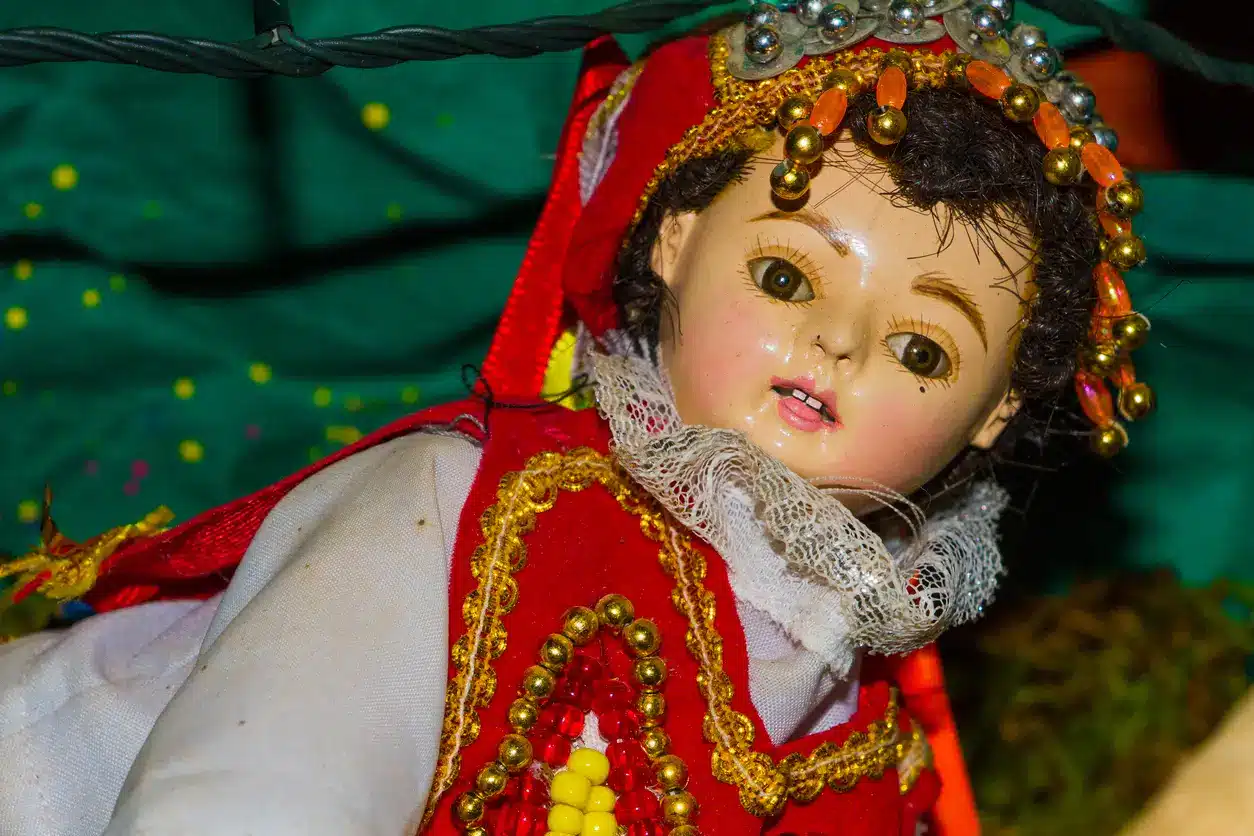
- Niño Manuelito figures and wooden figures: Central to Christmas traditions in Cusco, these small representations of the infant Jesus are often placed in family nativity scenes.
- Hand-carved wooden saints and angels: Each piece is unique and reflects local artistic traditions.
- Textiles and woven goods: Items made from alpaca or llama wool, including scarves, hats, and small blankets, showcasing traditional Andean textiles.
- Religious art and ornaments: Decorative pieces that merge Catholic symbolism with Andean patterns.
- Small souvenirs: From keychains to jewelry, travelers can find keepsakes that are handmade and culturally meaningful.
Food and Drinks to Try at Santurantikuy
Food is an integral part of the festival and offers a taste of Cusco’s seasonal and traditional cuisine. Popular options include:
- Traditional snacks: Tamales, empanadas, and other baked goods that are commonly enjoyed during Christmas.
- Sweets and desserts: Local Christmas sweets made with chocolate, sugar, or fruits, reflecting Andean flavors.
- Warm beverages: Hot chocolate and local drinks that help keep visitors warm during the cool December evening.
- Street food for quick bites: Small, portable options allow travelers to continue exploring the market without interrupting their experience.
Sampling food at Santurantikuy gives you insight into local culinary traditions while keeping the experience grounded in the festival’s sensory realities.
Experiencing the Atmosphere
Beyond shopping and tasting local food, much of Santurantikuy’s appeal comes from the atmosphere. The Plaza de Armas and surrounding streets are alive with movement, music, and conversation. Families prepare for Christmas by selecting nativity figures, children explore the stalls, and artisans share their craft with pride. The colonial churches and historic buildings around the square provide a striking backdrop, connecting the festival to Cusco’s deep history and holiday traditions.
Even if you are unfamiliar with Andean customs, the market offers a sense of participation rather than mere observation. Each stall visited, each treat sampled, and each interaction with a local artisan creates a small but meaningful connection to the city’s traditions. The combination of culture, history, and community energy makes Santurantikuy a memorable and immersive experience for any visitor.
Unlike conventional tourist attractions, it provides insight into Cusco’s living traditions, allowing travelers to witness a centuries-old festival that continues to shape community life today and reflects the richness of Peruvian traditions.
Travel Tips for Visiting Santurantikuy
Visiting Santurantikuy can be one of the highlights of a December trip to Cusco, but the experience is very different from a typical tourist market. Crowds, limited space, and evening timing all require some planning to make the most of your visit.
These tips are designed to help you navigate the Santurantikuy fair safely, comfortably, and respectfully, while fully enjoying its holiday traditions, folk art, and local crafts.
Plan Your Timing Carefully
- Afternoon for calmer conditions: Arriving in the late afternoon allows you to browse the market before it becomes densely crowded.
- Evening for full atmosphere: If you want the lights, music, and peak activity, visit after sunset, but expect more people.
- Allocate enough time: Even a short visit can be overwhelming. Plan at least 1–2 hours to explore the Plaza de Armas, nearby streets, and the artisan stalls selling wooden figures and Andean textiles.
Wear Comfortable Clothing and Shoes
- Dress in layers: December evenings in Cusco can be chilly, especially in the open Plaza de Armas.
- Comfortable walking shoes: You’ll spend significant time on uneven cobblestones and walking between stalls.
Bring Cash and Small Bills
- Many vendors do not accept cards: Most artisans prefer cash payments.
- Carry small bills: It is easier to buy multiple items, including folk art, Christmas sweets, and other handcrafted souvenirs, without breaking large notes.
- Use secure storage: Keep your wallet or purse in a front pocket or crossbody bag to prevent loss in crowded areas.
Respect Local Customs and Religious Items
- Photography etiquette: Ask permission before photographing people, artisans, or religious figures.
- Observe without touching: Many items, especially handcrafted wooden figures and devotional art, are delicate and sacred.
- Engage politely: If bargaining, do so respectfully and with a friendly approach.
Try the Food, but Plan Ahead
- Taste local snacks and drinks: Sampling tamales, Christmas sweets, and hot chocolate is part of the Santurantikuy experience.
- Eat small portions: The market has many options, but lines can be long, so plan for quick bites if needed.
- Stay hydrated: Bring a water bottle, especially if walking long distances around Cusco before or after the market.
Prepare for Crowds
- Stay aware of your surroundings: The market attracts locals and tourists, so keeping track of companions is important.
- Plan a meeting point: If traveling with a group, agree on a spot in case someone gets separated.
- Be patient: The market is crowded by design; moving slowly allows you to enjoy the holiday tradition without frustration.
Combine Santurantikuy with Other Experiences
- Evening stroll: Explore Cusco’s illuminated colonial streets before or after visiting the market.
- Nearby attractions: Many travelers combine Santurantikuy with visits to Cusco Cathedral, Qorikancha, or other nearby landmarks.
- Plan around Machu Picchu travel: If taking a train to Aguas Calientes the next day, consider leaving some energy for your early journey.
Safety Tips
- Pickpocket awareness: Large crowds and bustling activity make wallets and phones potential targets.
- Travel light: Carry only what you need for the evening.
- Use official taxis or walking routes: If leaving after dark, plan your route back to your accommodation safely.
By following these tips, you can enjoy the Santurantikuy fair safely, comfortably, and meaningfully, leaving with both memories and a deeper understanding of Cusco’s rich Christmas traditions, Peruvian crafts, and folk art.
What Comes After Santurantikuy: Should You Visit Machu Picchu?
After experiencing Santurantikuy, many travelers find themselves wondering what should come next. The Christmas Eve market offers a close look at living traditions in Cusco, rooted in faith, craftsmanship, and community. From there, continuing on to Machu Picchu feels less like a change of direction and more like a natural progression.
Cusco Is Already the Ideal Starting Point
Being in Cusco places you in one of the best possible locations to visit Machu Picchu. The city serves as the main travel hub for the region, with established transportation links to the Sacred Valley and beyond. Boarding a train makes it easy to continue the journey after Santurantikuy, especially for travelers who prefer a comfortable and scenic route.
From Cusco or nearby Ollantaytambo, reaching Machu Picchu is well-organized and accessible, even during the busy December season.
A Smooth Transition After Christmas Eve
Santurantikuy takes place on the evening of December 24, leaving the following days open for travel. This timing works well for travelers who want to move at a relaxed pace. After a late night in the Plaza de Armas, heading toward the Sacred Valley offers a change of scenery and a calmer rhythm. The train journey provides a gradual shift from the energy of Cusco to the natural landscapes that surround Machu Picchu.
Machu Picchu Complements the Santurantikuy Experience
While Santurantikuy highlights Peruvian traditions that are still actively practiced today, Machu Picchu reveals the foundations of Andean civilization. Visiting the ancient citadel after the festival adds depth to the journey, connecting modern cultural expressions with their historical roots. This contrast helps travelers better understand how Andean identity has evolved while maintaining continuity across centuries.
A World Wonder Worth the Effort
Beyond logistics and timing, Machu Picchu is a destination that stands on its own. Recognized as one of the New Seven Wonders of the World, it offers an experience unlike any other in Peru. For travelers already in Cusco, passing up the opportunity to visit can feel like missing a central piece of the region’s story.
Tips for Visiting Machu Picchu After Santurantikuy
After enjoying the lively atmosphere of Santurantikuy, heading to Machu Picchu can feel like a completely different adventure. To make the most of your visit, it helps to plan carefully. From transportation to timing and preparation, these tips will help you have a smooth, safe, and memorable experience.
Take the Train
You can easily reach Aguas Calientes by train from Cusco or Ollantaytambo. Inca Rail offers a comfortable and scenic route through the Sacred Valley, giving you a chance to see more of Peru’s landscapes after experiencing the city’s festive markets.
Start Early at Machu Picchu
Arriving shortly after the site opens helps you avoid crowds. From Aguas Calientes, take the shuttle to the citadel entrance in about 25 minutes. Plan at least 3–4 hours to explore terraces, temples, and viewpoints without feeling rushed.
Prepare for the Weather
Bring layers and a lightweight rain jacket, as December can be rainy. Sturdy shoes are essential for walking on uneven stone paths. Even on cloudy days, wear sunscreen and sunglasses because the high altitude makes the sun intense.
Travel Light and Smart
Carry only essentials such as water, snacks, camera, ID/passport, and tickets, since large bags are not allowed at the entrance. Bring some cash for small purchases in Aguas Calientes, including souvenirs or refreshments after your hike.
Respect the Site and Local Rules
Stay on marked trails to protect the ruins, listen carefully to guides for both safety and historical context, and respect the natural environment, including local flora and fauna. Treat the site with care and appreciation.
Stay Hydrated and Take Breaks
The combination of high altitude and walking can be tiring. Bring water and take breaks at viewpoints to rest and fully enjoy the scenery.
Extend the Experience
If tickets are available, consider hiking Huayna Picchu or Machu Picchu Mountain for panoramic views. You can also explore Aguas Calientes’ local markets, hot springs, and restaurants before returning to Cusco.
If time allows, combine your visit with excursions in the Sacred Valley, such as Ollantaytambo or Pisac, to see more of Peru’s living traditions.
Frequently Asked Questions
This section answers the most common questions travelers have about Santurantikuy. These FAQs provide clear and practical guidance to help plan your experience.
What does the word Santurantikuy mean?
Santurantikuy is derived from the Quechua language, meaning “the selling of saints.” It reflects the market’s tradition of selling handmade religious figures and nativity scene decorations. This name highlights the market’s deep roots in Andean culture and Catholic heritage.
Why is Santurantikuy celebrated only on December 24?
Santurantikuy is celebrated on December 24 to align with Christmas Eve, a day of significant religious and cultural importance. This timing allows families to acquire last-minute items for their nativity scenes and holiday decorations. It has become a beloved tradition to gather in the Plaza de Armas for this festive occasion.
Are there any specific rituals performed during the market?
While Santurantikuy itself focuses on trade and crafts, it coincides with the preparation of nativity scenes and Christmas celebrations. Many attendees observe personal traditions, such as purchasing a new figurine each year. The market creates a vibrant atmosphere that encourages communal participation and cultural exchange.
Is Santurantikuy unique to Cusco, or do other cities in Peru have similar markets?
Santurantikuy is unique to Cusco, where it has been celebrated for over 500 years. While other cities may host Christmas markets, none match the historical and cultural significance of Cusco’s Santurantikuy. Its long-standing tradition and festive spirit make it a special event for both locals and tourists.
How long does it take to explore the market fully?
It typically takes about 2-3 hours to explore the Santurantikuy market thoroughly. This allows time to browse the numerous stalls, interact with artisans, and enjoy the lively atmosphere. However, visitors are encouraged to take their time and savor this unique cultural experience.
Can you take photos at Santurantikuy?
Yes, photography is welcome at Santurantikuy, allowing visitors to capture the vibrant colors and unique crafts on display. It’s a great opportunity to document the lively scenes and memorable moments of the market. Just remember to be respectful of vendors and other attendees while taking photos.
Can you combine a visit to Santurantikuy with seeing other Cusco attractions?
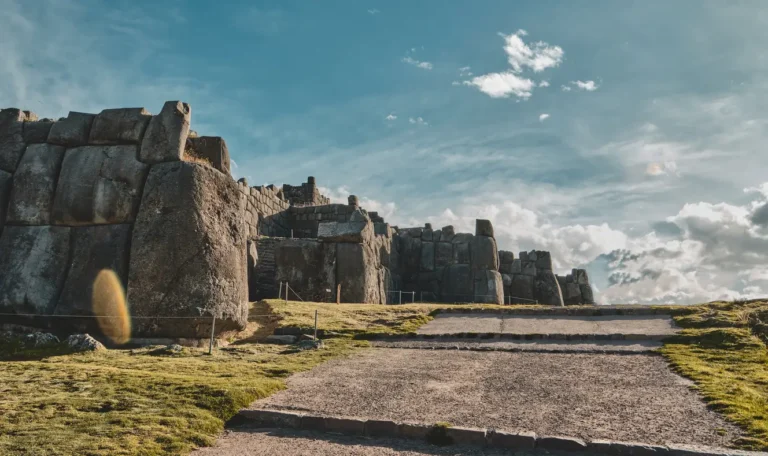
Absolutely, visiting Santurantikuy can easily be combined with exploring Cusco’s nearby attractions. Many visitors use this opportunity to also visit historical sites like the Cusco Cathedral or the Inca ruins at Sacsayhuamán. With planning, a day in Cusco can offer a rich blend of culture, history, and festive activities.
Final Thoughts
Experiencing Santurantikuy in Cusco gives you a rare glimpse into Peru’s living traditions. Unlike typical Christmas markets around the world, this one-night-only event is deeply rooted in local culture and faith, showcasing handcrafted nativity scenes, wooden figures, traditional foods, and the vibrant energy of Cusqueño life. Visiting Santurantikuy invites you not just to observe, but to actively participate in a tradition that has continued through generations.
If you’re exploring Cusco during the holiday season, Santurantikuy serves as a perfect introduction to the region. With the bustling Plaza de Armas at its heart and surrounding streets lined with colonial architecture, the market’s atmosphere captures the city’s spirit. Every moment you spend here offers insight into the people, their customs, and the artistry that defines this corner of Peru. Experiencing it on Christmas Eve gives you a unique opportunity to see how holiday traditions and daily life intersect.
Continuing on to Machu Picchu after Santurantikuy lets you connect these living traditions with the region’s ancient history. Exploring the citadel’s terraces, temples, and viewpoints gives you a deeper appreciation for the Andean heritage that underpins modern Cusco. By combining the cultural immersion of the market with the historical grandeur of Machu Picchu, you create a journey where both the past and present coexist in fascinating ways.
To continue your journey smoothly, you can take the scenic train via Inca Rail from Cusco. The train not only provides comfort and convenience but also offers stunning views of the Sacred Valley, turning the journey itself into a highlight. Pairing Santurantikuy with a visit to Machu Picchu via Inca Rail allows you to experience both cultural immersion and adventure in a smooth, practical, and unforgettable way.