
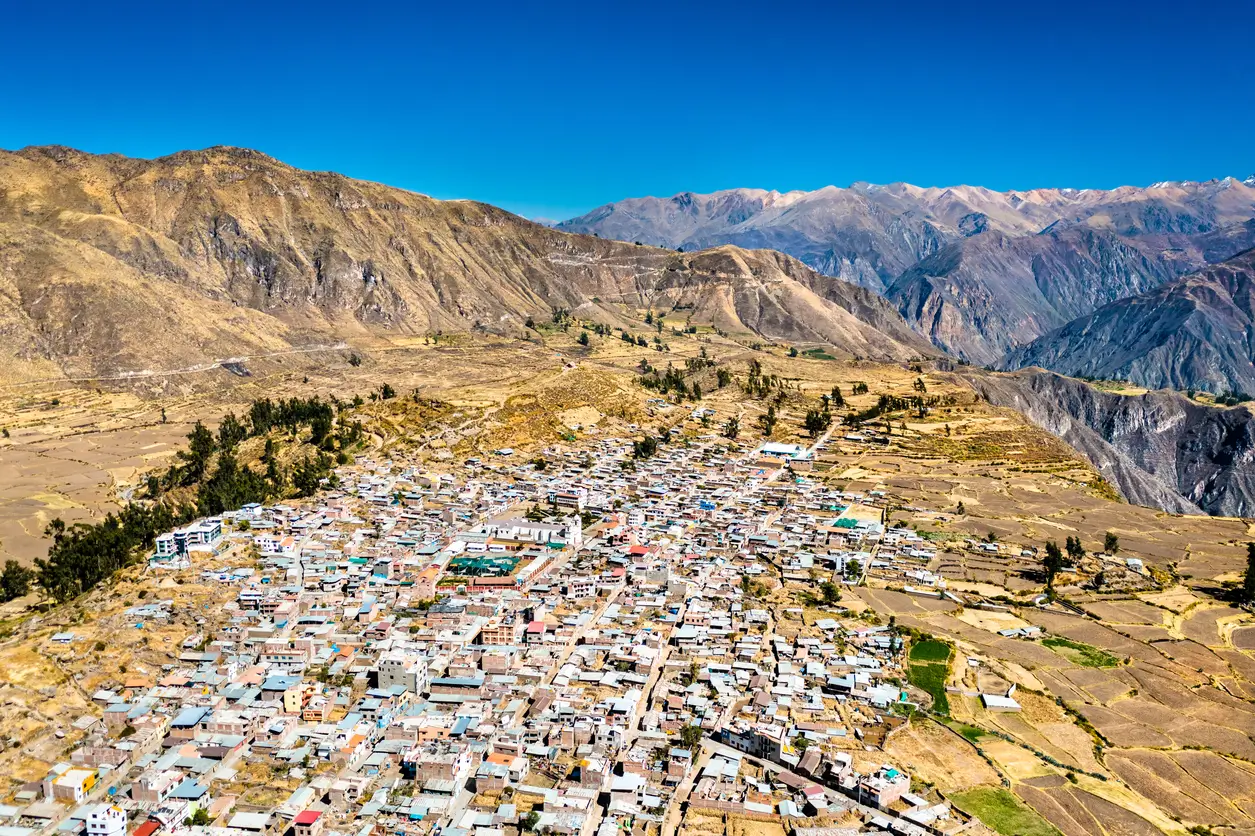
Visiting the Village of Cabanaconde: A Journey Through Andean Beauty, Ancient Traditions, and Colca Canyon’s Wonders
Cabanaconde is a small village in southern Peru, sitting on the edge of the well-known Colca Canyon. Many travelers come to this area to see the canyon or watch the Andean condors fly, but not everyone stops to explore the village itself. That’s part of what makes Cabanaconde worth visiting. It’s a quiet place where traditions are still part of daily life, and the amazing views around you feel open and natural.
Unlike busy tourist towns, Cabanaconde is peaceful and slow-paced. People here still farm the land, wear their traditional clothes, and follow the same customs their families have followed for years. A simple walk through the village might lead to friendly chats, sights of old farming terraces, or the sounds of music during a local event. If you’re hoping to see real Andean life in a meaningful way, this is the kind of place that makes you feel it.
Not only is Cabanaconde full of cultural richness, but it’s also the most popular base for multi-day treks into the deepest parts of Colca Canyon, including places like Llahuar and Sangalle. You’ll find hiking trails, stunning viewpoints, and a chance to see the famous condors soaring above the cliffs from nearby Cruz del Condor, one of the best places in the world to spot them.
But what makes the experience in Cabanaconde stand out is how close you stay to the people, the land, and the traditions that shape this part of the Andes. Cabanaconde is more than just a stop—it’s a destination that brings nature and culture together in a way that’s hard to forget.
What will you find here?
- What is Cabanaconde Like? – A Glimpse Into Village Life
- What Makes the Village of Cabanaconde Unique?
- Introduction to Rich Cultural Immersion in Cabanaconde: A Truly Unique Andean Experience
- What to Expect Culturally: Living Tradition in Cabanaconde
- Cabanaconde as the Gateway to Colca Canyon: Where the Trek Begins
- Experiencing the Colca Canyon: The Natural Wonders Beyond Cabanaconde
- Is Cabanaconde Worth Visiting? Here’s Why You Should Go
- Where to Go Next After Cabanaconde? Here’s What’s Worth Seeing
- Travel Tips for Visiting the Village of Cabanaconde
- Frequently Asked Questions
- From Cabanaconde to Machu Picchu: A Journey Through Peru’s Treasures
What is Cabanaconde Like? – A Glimpse Into Village Life
Cabanaconde is a charming village in Peru. It’s perched near the edge of the Colca Canyon in the southern region of Arequipa. Known for its simplicity and authenticity, this village offers a glimpse into traditional Peruvian life. Let’s dive into what makes Cabanaconde special, from its scenic geography to its rich local culture.
Geography & Setting
Cabanaconde sits at a high altitude. It lies at around 3,287 meters (10,784 feet) above sea level. This village is surrounded by stunning landscapes. Nearby is the Colca Canyon, one of the world’s deepest canyons. The air is crisp and clean, and the views are breathtaking. Mountains and terraced fields dominate the surroundings, providing a serene backdrop.
Being in a remote location means a quieter life. There are fewer cars and more footpaths. While it may be off the beaten path, the setting is undoubtedly one of its biggest draws. It’s a peaceful escape. Cabanaconde’s geography is perfect for those who love nature and tranquility.
Local Culture & Traditions
Cabanaconde’s culture is rich and vibrant. The people here take great pride in their heritage. Traditional customs are alive and well. Festivals play a big part in life, especially religious and agricultural celebrations like the Feast of the Immaculate Conception and the Carnival of Cabanaconde—colorful events filled with music and dance. Each festival has its own story, deeply rooted in history.
Moreover, communication isn’t just in words here. It is also in gestures and smiles. The warmth of the people is evident. Handicrafts are a significant aspect of their culture. Many locals create beautiful textiles and goods. These often reflect traditional patterns passed down through generations. When visiting, you can feel the deep sense of tradition in every corner.
Community Life
Life in Cabanaconde is all about community. Everyone seems to know one another. Sharing and helping out are part of daily life. Social ties here are strong, forming the heart of the village. People gather in central plazas, catching up and discussing daily happenings.
Despite the small size, there’s a vibrant energy. Celebrations and gatherings are frequent, reinforcing those bonds. There’s a rhythm to community life that’s hard to find elsewhere. The simplicity and mutual respect among residents are refreshing and heartwarming.
Economy & Livelihood
Agriculture is the backbone of Cabanaconde’s economy. The terraced fields you see everywhere grow potatoes, quinoa, and corn. Farmers work hard, leveraging traditional methods passed down through generations. It’s both challenging and rewarding work.
Tourism also plays a role here. Visitors come for trekking and to see the famous condors. Small businesses, such as local eateries and shops, benefit from this. Most tourists use Cabanaconde as a starting point for hikes into Colca Canyon, including to destinations like Llahuar and the Sangalle Oasis. While the economy is modest, it’s sustaining and rooted in the land and community strengths.
Interaction with Nature
Nature is integral to life in Cabanaconde. The surrounding landscapes provide more than just beauty. They are a source of food, spiritual meaning, and play a role in daily rituals. Agriculture depends on the land’s health, and locals take this responsibility seriously.
Furthermore, the people have a deep respect for nature. They live in harmony with it, ensuring their practices do not harm the environment. From the mighty condors soaring above to the terraced fields below, nature and human life are interconnected. This connection to nature is profound and continually shapes their way of life.
What Makes the Village of Cabanaconde Unique?
In the charming village of Cabanaconde, you can experience a way of life untouched by time, where age-old traditions continue to thrive. Let’s take a closer look at what makes Cabanaconde truly unique:
Distinctive Traits Compared to Other Andean Villages
Cabanaconde stands out from other Andean villages with its breathtaking views of Colca Canyon and its vibrant cultural heritage rooted in Andean traditions. While other regions may feel overtaken by tourism, Cabanaconde remains intimate and authentic, offering genuine connections with locals who proudly maintain traditional dress and celebrate age-old festivals throughout the year.
Isolation and Preserved Authenticity Despite Proximity to Major Natural Attractions
Although it’s close to the iconic Colca Canyon, Cabanaconde has preserved a quiet, authentic way of life that contrasts with more commercialized tourist hubs. Without souvenir stalls or crowds, the village offers a tranquil atmosphere where visitors can experience the Andes without the noise, immersed in scenery and traditions that feel untouched by time.
Preservation of Traditional Lifestyle Despite Modern Influences
In an era where globalization influences even the most remote of places, Cabanaconde has shown remarkable resilience in preserving its traditional lifestyle. Daily life here still revolves around agriculture, with terraced fields that stretch across the Andes. Families continue to work on these lands, just as their ancestors did.
Role in Local Myths, History, or Ancient Trade Routes
Cabanaconde has its roots deep in local myths and history. It’s a place that holds stories of the Inca empire and the legends that have been passed down through the ages. Though not an archaeological hub, the village’s stories and strategic location in the Andes lend it a quiet historical depth, inviting travelers to connect with its past through landscapes and local lore.
Unique Community Dynamics or Local Initiatives
Life in Cabanaconde is shaped by strong community ties, where neighbors often collaborate on farming, festivals, and sustainability efforts. Local initiatives focus on preserving the environment and cultural traditions, highlighting a sense of collective purpose that strengthens the village’s resilience and cultural pride.
Limited Commercialization Enhances Its Original Character
Unlike many tourist-driven areas, Cabanaconde benefits from limited commercialization. The absence of heavy commercialization allows for an authentic experience—one where visitors can walk quiet streets, support local families, and truly absorb the rhythm of Andean life. This commitment to preserving its roots is a defining feature of the village, drawing in visitors who crave authentic cultural experiences and a break from the stresses of everyday life.
In essence, Cabanaconde is a testament to the enduring spirit of the Andes, standing proudly amidst breathtaking natural beauty while holding onto its rich cultural heritage. Visiting this unique village offers a memorable journey, one that is both enriching and enlightening.
Introduction to Rich Cultural Immersion in Cabanaconde: A Truly Unique Andean Experience
Cabanaconde offers a deeply immersive Andean experience where cultural traditions thrive alongside spectacular landscapes. More than a scenic village, it invites travelers to engage with local customs, ancestral wisdom, and daily life that reflect a heritage passed down through generations.
When visiting this enchanting village in Peru, you can experience its distinct cultural heritage in many ways:
Explore the Village with a Local Guide
Wandering through Cabanaconde with a local guide allows you to see the village through the eyes of someone who lives in it. Guides share insights into traditional customs, architecture, and farming practices that you might otherwise miss. You might visit local markets, learn the stories behind community landmarks, or even be introduced to artisans at work. These walks create a more personal and enriching connection with the place, offering context that transforms ordinary sights into living history.
Experience Traditional Andean Music
Music in Cabanaconde is more than just sound—it’s a living expression of identity and tradition. During festivals or informal gatherings, local musicians play instruments like the quena (a traditional flute) and charango (a small, lute-like string instrument), performing songs passed down through generations. These rhythms reflect the region’s Indigenous roots and emotional depth. As a listener, you’re invited not just to hear the music, but to feel the stories it carries—a joyful, moving way to connect with the heart of the community.
Dive into Storytelling and Oral Histories with Elders
The elders of Cabanaconde are respected keepers of local knowledge, and listening to their stories is like stepping into the oral history of the Andes. They speak of ancient farming practices, spiritual beliefs, and local legends—many of which aren’t written down but live on through memory and speech. These moments offer more than cultural facts; they provide an emotional link to the past and a better understanding of the values that continue to guide the community today.
Attend a Festival or Religious Ceremony
Cabanaconde’s festivals are colorful and heartfelt, combining Indigenous and Catholic elements in a truly Andean way. Festivals such as the Feast of the Immaculate Conception and Carnavales showcase colorful costumes, lively music, traditional dances, and meaningful rituals that unite the whole community. These celebrations are not just performances—they’re expressions of collective identity and devotion. Joining in, even as an observer, offers a vivid, joyful insight into how the community honors both faith and tradition.
Join a Traditional Weaving or Textile Workshop
Textile art in Cabanaconde is both practical and symbolic, with patterns that carry cultural meanings and historical references. In a workshop setting, local weavers may teach you how to spin alpaca wool, apply natural dyes, and create simple designs using ancient techniques. These crafts are often learned within families and passed down through generations.
Stay with a Local Family in a Homestay
A homestay in Cabanaconde offers the most immersive experience of all. Living with a local family means sharing meals, conversations, and even chores, all of which provide deep insight into the rhythms of daily Andean life. You’ll learn customs firsthand—from how food is prepared to how people celebrate special occasions. This kind of cultural exchange fosters real relationships, making your experience not just memorable but deeply meaningful and grounded in human connection.
Cabanaconde isn’t just a place to see—it’s a place to feel, experience, and connect with on a deeper level. In a world where so much travel feels rushed or commercialized, Cabanaconde offers something rare: an authentic cultural immersion that stays with you long after you leave the canyon’s edge.
What to Expect Culturally: Living Tradition in Cabanaconde
Cabanaconde, a charming village at the heart of the Colca Canyon, offers a rich cultural immersion where everyday life blends seamlessly with centuries-old traditions. As you wander its terraced streets, expect to witness vibrant customs, live ancestral practices, and experience genuine local warmth—all set against one of Peru’s most dramatic landscapes.
Traditional Clothing Worn in Daily Life
One of the first things you’ll notice in Cabanaconde is the locals’ colorful traditional attire—women wearing layered polleras (skirts), embroidered blouses, and distinctive embroidered hats that reflect both their identity and community. These outfits are not just festive—they’re part of daily life, allowing residents to maintain a visible connection to their heritage and ancestors.
Blended Catholic and Andean Spiritual Practices
Faith in Cabanaconde is a beautiful blend of Catholic and Andean spiritual traditions, where mass at the local church coexists with Pachamama offerings during festivals. You might see villagers presenting coca leaves, alcohol, and food to both saints and mountain spirits—a harmonious fusion that underscores respect for both worlds and shapes their spiritual landscape.
Quechua Language Spoken Alongside Spanish
In Cabanaconde, multilingualism is woven into daily life: most residents speak both Spanish and Quechua, an ancient Andean language still official in Peru. This linguistic duality enriches interactions—learning a few Quechua words can open doors to friendship and provide deeper insight into the region’s culture and worldview.
Ancient Farming Techniques Using Terraced Fields
The terraced fields surrounding Cabanaconde are more than agricultural marvels—they’re living technology. These pre-Inca andenes, still in use today, cleverly manage water, reduce erosion, and nurture crops like corn, potatoes, and quinoa. Watching farmers tend these terraces is like observing a centuries-old dance between people and mountains.
Communal Labor Systems Like Ayni (Reciprocity)
Community spirit in Cabanaconde thrives on ayni, a traditional system of mutual aid where neighbors help each other with farming, building, or celebrations, knowing the favor will be returned. Ayni fosters interdependence, trust, and unity—making collective effort a cornerstone of village life.
Multi-Generational Households Preserving Oral Traditions
In Cabanaconde, families often span multiple generations under one roof, and oral traditions thrive through their shared stories. Grandparents recount folklore, local history, and life lessons—ensuring that each generation learns through voice and memory, keeping cultural wisdom alive in everyday life.
Cabanaconde isn’t just a place you visit—it’s a place you feel. Every tradition, from the clothes people wear to the stories they tell, reflects a living culture that thrives far from the fast pace of modern tourism. By slowing down and engaging with the community, you gain more than memories—you gain a new perspective in life.
Cabanaconde as the Gateway to Colca Canyon: Where the Trek Begins
Cabanaconde is where serious adventures into Colca Canyon begin. This remote mountain village isn’t just nearby—it’s perched right at the canyon’s edge, placing you within walking distance of some of the most iconic trailheads. That’s why trekkers often choose to stay here rather than in more commercialized towns farther up the valley.
Unlike places that require long drives or guided transport to reach the canyon rim, Cabanaconde puts you at the starting line. You can wake up, grab breakfast, and hit the trail in minutes. The village itself is quiet and unhurried, with simple lodges, small cafés, and a few shops that cater to hikers. It offers just enough support without losing its local character.
Here, everything feels close to the earth—no distractions, no big crowds. Whether you’re preparing for a descent to Sangalle or heading toward the canyon’s hidden villages, starting in Cabanaconde means you’re doing it on your own terms, at your own pace.
In short, Cabanaconde isn’t just a stop on the way to Colca Canyon—it’s the doorway to one of Peru’s most unforgettable adventures.
Experiencing the Colca Canyon: The Natural Wonders Beyond Cabanaconde
The Colca Canyon is full of natural beauty. When you leave Cabanaconde and start walking into the canyon, you’ll quickly see how special it is. The views get bigger, the air feels different, and every step reveals a new wonder.
Sangalle – The Canyon Oasis
Sangalle is one of the most famous spots in Colca Canyon. Many people call it “the Oasis.” It’s green, calm, and sits at the bottom of the canyon. After a steep hike down, it feels like a reward.
There are palm trees, small gardens, and natural pools. It’s a great place to relax and cool off. You can also stay overnight in small lodges and enjoy the quiet.
Llahuar – Hot Springs and Mountain Views
If you want a less-traveled path, Llahuar is the place. It’s a bit farther than Sangalle, but less crowded. The best part? Hot springs right next to the river. After a long hike, sitting in warm water with canyon views feels amazing.
The setting is quiet, and the views are incredible. You might not have Wi-Fi, but you won’t miss it. It’s the kind of place where time slows down so you can enjoy quiet time in nature.
Tiny Villages Along the Way
Beyond the natural views, you’ll pass small villages like Malata and Tapay. These are real Andean communities, not tourist spots. These places are home to local families. People grow their own food and live in simple houses. Life here hasn’t changed much over the years.
It’s a good chance to see how people really live in the canyon. The people are friendly, but respectful travel matters. A smile or a polite “hello” is always appreciated.
A Canyon Full of Surprises
The canyon is always changing. One part looks like the desert. Another part is full of plants and trees. You’ll walk past rivers, stone paths, and old farming terraces.
The hike isn’t just beautiful—it’s interesting too. You never know what view will come next.
Wildlife and Clear Skies
Keep an eye on the sky. You might see Andean condors flying above the cliffs. These birds are huge and easy to spot. You may also see donkeys, goats, and small birds along the trail.
At night, the sky is full of stars. With no city lights, it’s one of the best places for stargazing.
It’s a Challenge, but Worth It
The canyon trails are not easy. You’ll go up and down a lot. But the experience is something you won’t forget. You’re not just walking through nature—you’re part of it.
Every view, every moment, feels earned.
Start in Cabanaconde, Go Deeper
All of this begins in Cabanaconde. That’s what makes it so special. It’s not just a stop—it’s your way in. Colca Canyon trekking is one of the most unforgettable experiences in Peru, and everything beyond Cabanaconde proves why.
Is Cabanaconde Worth Visiting? Here’s Why You Should Go
Cabanaconde might not be the first place people talk about when they plan a trip to Peru—but it should be.
It’s quiet, real, and full of character. There aren’t fancy hotels or tourist crowds. What you get instead is something more meaningful: centuries-old traditions, friendly locals, and wide-open views you’ll remember long after you leave.
One thing is for sure—if you’re looking for a place that still feels untouched, this is it.
Cabanaconde is also where the real Colca Canyon experience begins. Popular multi-day trails into the canyon—like those to Sangalle, Llahuar, and Tapay—start right here. No long drives, no rushed tours. Just you, the trail, and the land stretching out in front of you. Whether you’re hiking or simply standing at the edge of the canyon, it feels like you’re part of something bigger.
And when the day ends, you return to a village that feels like home—simple, warm, and grounded.
So, is Cabanaconde worth visiting? Yes, it is. Not because it’s perfect. But because it’s real. And in a country full of famous places, that counts for a lot.
Where to Go Next After Cabanaconde? Here’s What’s Worth Seeing
Cabanaconde may feel like the end of the road—but it’s actually a great starting point for more of southern Peru. Once you’ve had your fill of canyon views and village life, here are a few places that are easy to reach and totally worth seeing next:
Chivay
Chivay, just a few hours’ drive from Cabanaconde, is a peaceful town known for its hot springs and proximity to the Colca Canyon. After the hike, soaking in the natural, mineral-rich thermal baths offers the perfect relaxation. Chivay also serves as a gateway for travelers exploring the canyon further, making it a convenient and serene stop.
Arequipa
Arequipa, a beautiful colonial city known as the “White City,” is home to stunning architecture, including the Santa Catalina Monastery and the historic Plaza de Armas. It’s a cultural and historical hub in southern Peru and offers a mix of rich heritage and modern Peruvian life, making it a must-see destination for anyone heading out from Colca Canyon.
Cusco
Cusco, the heart of the Inca Empire, is a cultural treasure that serves as the gateway to Machu Picchu. The city is filled with Incan ruins like Sacsayhuamán and Qorikancha, alongside beautiful colonial structures. Walking through Cusco’s cobblestone streets offers a deep dive into Peru’s rich history, making it an essential stop after exploring Cabanaconde.
Sacred Valley
The Sacred Valley is a picturesque region full of Inca history and lush landscapes. With charming towns like Pisac and Ollantaytambo, the valley offers fascinating archaeological sites and a relaxing environment. It’s the perfect place to unwind before heading to Machu Picchu, with breathtaking views and access to some of Peru’s most impressive ruins.
Machu Picchu
As one of the world’s most renowned archaeological landmarks, Machu Picchu is a destination you simply can’t miss. The ancient Inca citadel, perched high in the Andes, offers a mix of history and spectacular scenery. Easily accessible by train from Cusco or Ollantaytambo, it’s the perfect final destination to cap off your journey through southern Peru, offering unmatched views and an unforgettable experience.
Travel Tips for Visiting the Village of Cabanaconde
Visiting the village of Cabanaconde is a thrilling experience. It’s a small village in Peru, known for its breathtaking views and proximity to the Colca Canyon. But before you pack your bags, let’s go over some useful travel tips. You’ll want to make the most out of your trip.
Best Time to Visit
To kick things off, let’s talk about timing. The best time to visit Cabanaconde is during the dry season, from May to October. During these months, you can expect clear skies and mild weather, ideal conditions for hiking and exploring the outdoors. In contrast, the wet season from November to April can bring rain, which could disrupt your plans. Plan wisely and check the weather forecast before your trip to avoid surprises!
Essential Packing List
Packing is crucial for this adventure. First, sturdy hiking boots are a must. The terrain around Cabanaconde is rugged, and many trails involve steep descents and climbs. Next on the list should be a lightweight backpack for day-long excursions. Don’t forget layered clothing, as temperatures can vary greatly between day and night.
Bringing a reusable water bottle is key to staying hydrated. Be sure to bring sunscreen and a wide-brimmed hat to effectively shield yourself from the sun’s rays.
Health and Safety
Safety should always be a priority. Altitude sickness is common here, so go slow and give your body time to adjust. Staying hydrated and not overexerting yourself can help a lot. If you feel unwell, rest and seek help if needed. Also, keep some basic first-aid supplies on hand.
Where to Stay
Accommodation choices are simple but pleasant. There are a few local hostels and inns here. They offer basic amenities and are often run by friendly locals. Booking ahead during peak season is a good idea. This way, you’re guaranteed a place to stay without last-minute stress.
Local Cuisine
Don’t miss out on local food. Cabanaconde offers some delicious traditional dishes. Try the quinoa soup and alpaca meat. Eating like a local adds flavor to your trip. Small cafes and local eateries are where you’ll find the most authentic meals.
Cultural Etiquette
When visiting, remember to respect local customs. A polite “buenos días” in the morning goes a long way. It’s a simple gesture that locals appreciate. Also, ask before taking photos of people, especially those in traditional attire, as it shows respect and consideration. Being mindful of local customs will help you build a positive relationship with the community.
In conclusion, visiting Cabanaconde requires some preparation, but it’s well worth it. You’ll return with great memories and stories to share.
Frequently Asked Questions
Cabanaconde is an amazing place to visit, but like any remote destination, you might have some questions before you go. So, here’s a guide that will help you prepare for an unforgettable trip to this quiet Andean village.
What is the altitude of Cabanaconde?
Cabanaconde is situated at an elevation of approximately 3,287 meters (10,784 feet) above sea level. This high altitude can affect visitors not accustomed to such elevations, so it’s essential to acclimate properly and stay hydrated during your visit.
Is Cabanaconde a good place for first-time travelers in Peru?
Cabanaconde offers a unique experience for first-time travelers interested in exploring authentic Peruvian culture and stunning natural landscapes. While it may not have as many amenities as larger cities like Cusco or Arequipa, it provides a more intimate look at rural life and access to the famous Colca Canyon.
Cabanaconde is ideal for travelers looking to experience the more traditional side of Peru, away from the larger tourist crowds.
What makes Cabanaconde different from other places in the Colca Valley?
Cabanaconde is known for its proximity to the Colca Canyon and its authenticity as a traditional Andean village. Unlike more tourist-centric areas, it offers a chance to engage with local culture and witness daily life, along with breathtaking views of the canyon.
Cabanaconde also offers a quieter, less commercialized atmosphere, allowing visitors to experience a more peaceful side of the valley.
Are there homestays available in Cabanaconde?
Yes, several homestays in Cabanaconde offer an opportunity to immerse yourself in local life and culture. Staying with local families can provide a richer cultural experience and insights into traditional Andean customs.
Is it easy to go from Cabanaconde to other destinations?
Getting from Cabanaconde to nearby destinations like Arequipa and other Colca Valley towns is fairly convenient, thanks to transportation options such as buses and shared taxis. Planning ahead and checking schedules can help ensure a smooth journey.
Can I visit Colca Canyon without hiking?
Yes, you can visit the Colca Canyon without undertaking strenuous hikes. There are several viewpoints accessible by road, such as the Cruz del Condor, where you can enjoy panoramic views of the canyon and watch the majestic condors in flight.
Can I take a day trip to the Colca Canyon from Cabanaconde?
Yes, a day trip to the Colca Canyon is feasible from Cabanaconde. You can visit viewpoints, observe condors, and explore the surrounding areas, but more extensive explorations of the canyon itself may require additional time. For deeper exploration, especially hiking into the canyon, a multi-day trek is recommended.
How long should I stay in Cabanaconde?
Spending 2 to 3 days in Cabanaconde gives you ample time to discover the Colca Canyon and soak in the local culture at a comfortable pace. For those looking to dive deeper into hiking or enjoy a more enriching cultural experience, a longer stay is definitely worthwhile. If you’re an avid hiker, extending your stay to 4-5 days can allow you to fully explore the canyon and surrounding areas.
From Cabanaconde to Machu Picchu: A Journey Through Peru’s Treasures
Visiting Cabanaconde is a trip you won’t forget. This village offers stunning views of Colca Canyon and a chance to experience the peaceful Andean life. With the towering cliffs and the majestic Andean condors flying above, you’ll quickly see why Cabanaconde is such a special place. The local culture and traditions are also a big part of the experience, giving you a true sense of life in the Andes. Cabanaconde is not only a great place to witness natural beauty but also an authentic destination where you can connect with local traditions and ways of life.
One thing is for sure: Cabanaconde is just the start of your adventure in Peru. After enjoying the canyon and village, you can continue your journey to Arequipa, then head to Cusco for a deep dive into Inca history. Be sure to explore the Sacred Valley, and top off your journey with an unforgettable visit to Machu Picchu. There’s so much to see, and each place has its own unique charm. Exploring the Sacred Valley and Cusco will give you a complete view of Peru’s fascinating history and culture.
To make your travels even more enjoyable, Inca Rail provides a comfortable and scenic train ride from Cusco or Ollantaytambo to Machu Picchu Pueblo. The ride offers amazing views of the Sacred Valley, making it a relaxing and unforgettable way to reach one of the world’s most famous landmarks. Ready to start your adventure? Book your tickets with Inca Rail today and begin your journey through the beauty of Peru.


