Exploring Puno Peru: 9 Must-Do Activities for First-Time Visitors to the Heart of Lake Titicaca
Puno is a city that captures the essence of the Andean highlands, perched on the shores of Lake Titicaca—the highest commercially navigable lake in the world. Often referred to as the “Gateway to Lake Titicaca,” this charming destination is a perfect starting point for exploring the region. The city gives visitors beautiful views of the lake and nearby mountains, while also surrounding them with rich culture and history. More than just a stopover, Puno invites travelers in with its vivid traditions and scenic beauty.
The city is also known for its strong ties to indigenous heritage, particularly among the Aymara people and the communities of the Uros and Taquile islands, who have lived in the region for generations and continue to preserve their unique traditions. Visiting Puno gives you the chance to interact with these communities and learn about their fascinating way of life, offering a truly immersive experience. On top of that, Puno hosts the famous Fiesta de la Candelaria—one of Peru’s largest and most vibrant festivals, celebrated with music, dance, and colorful costumes.
What makes Puno truly special is its blend of history, culture, and natural beauty. It’s not just about seeing new sights—it’s about connecting with the living heart of the Andes and gaining insight into the traditions that have shaped this region for centuries. With so much to offer, it’s easy to see why Puno belongs on any list of must-visit destinations in the Peruvian Andes.
What will you find here?
- Why Puno, Peru, is a Must-Visit Destination: Culture, Nature, and Unforgettable Experiences
- Top 9 Must-Do Activities in Puno City
- What to Know Before Visiting Puno: Tips for a Smooth Trip
- Cultural Etiquette in Puno: What to Know as a Visitor
- Puno for Slow Travelers: Why It’s Worth More Than One Night
- Where to Go Next? Destinations for Travelers After Puno
- Frequently Asked Questions
- Continue Your Peru Itinerary: From Puno to Machu Picchu
Why Puno, Peru, is a Must-Visit Destination: Culture, Nature, and Unforgettable Experiences
Set in the southern Peruvian highlands, Puno is a destination that brings together rich culture, stunning natural scenery, and one-of-a-kind experiences. From its location on the edge of Lake Titicaca to its vibrant festivals and deep-rooted traditions, Puno offers travelers a chance to explore a side of Peru that’s both authentic and unforgettable. Here’s why this city should be on your travel list.
Rich Cultural Heritage
Puno is called Peru’s folkloric capital because of its many festivals and strong traditions. The most well-known event is the Fiesta de la Candelaria, which fills the city with music, dancing, and bright costumes. People from all over the world come to witness the celebration. Beyond festivals, you’ll find local culture in the city’s crafts—markets are filled with handmade textiles, silver jewelry, and other items that reflect the area’s indigenous roots.
Stunning Natural Landscapes
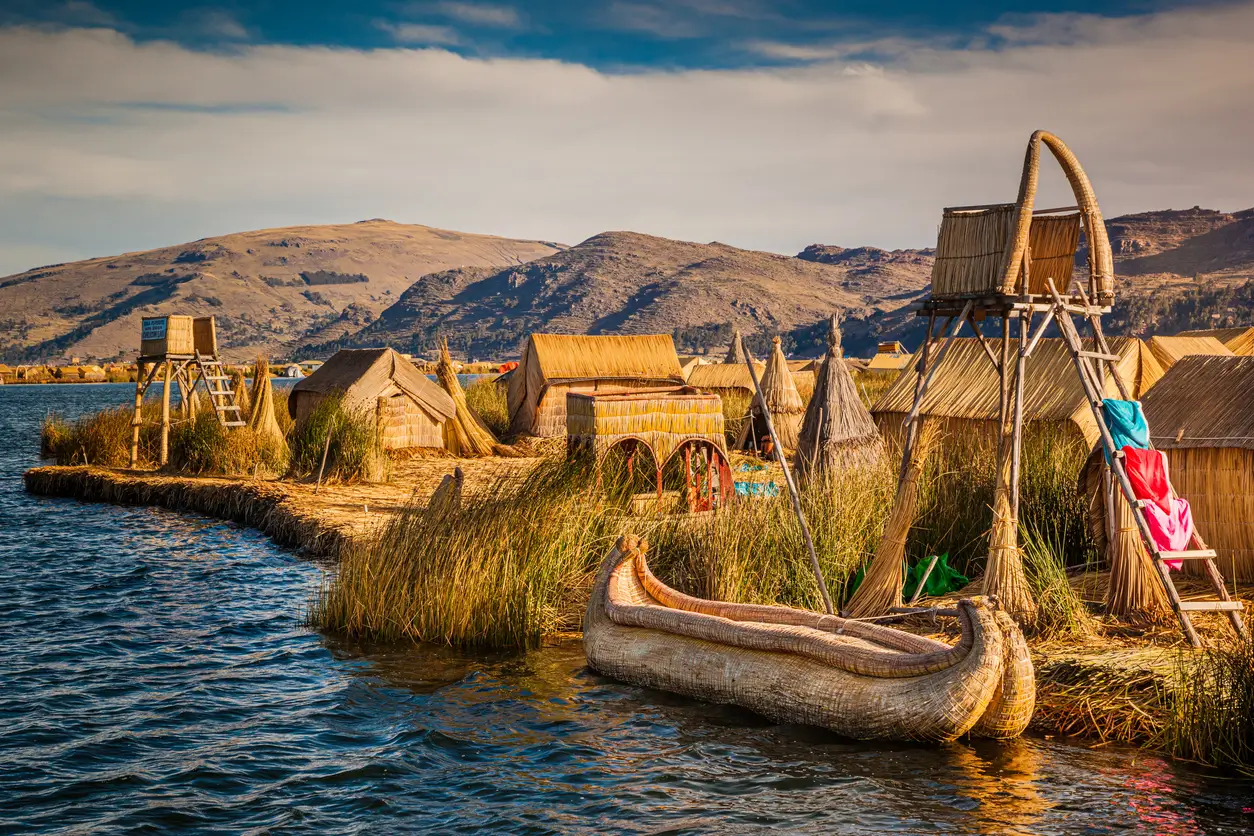
Puno’s location on the shores of Lake Titicaca makes it the perfect base for exploring some of Peru’s most unique natural sights. The lake’s deep blue waters and peaceful setting draw nature lovers from around the world. Just offshore, you’ll find the floating Uros Islands—built entirely from totora reeds and home to a community that has lived on the lake for generations. Beyond the lake, the surrounding altiplano, or high plains, stretches for miles and offers wide-open views, hiking opportunities, and chances to experience the rugged beauty of the Andes up close.
Memorable Experiences
Puno itself offers plenty to explore without even leaving the city. Wander through its lively streets, where traditional Andean music plays in plazas and colorful murals brighten the walls. Visit the Puno Cathedral, a colonial-era landmark that reflects the city’s rich history. In the local markets, you’ll find handcrafted textiles, alpaca wool goods, and street food that give you a real taste of the region. By day or night, Puno’s mix of sights, sounds, and flavors makes every moment feel connected to the local culture.
Regional Travel Hub
Puno is also a good base for exploring the Lake Titicaca region. You can easily travel to nearby towns or even cross into Bolivia. The city has solid road and rail links, making it simple to plan your journey. And while it’s well-connected, Puno keeps a relaxed and welcoming vibe that makes travelers feel at home.
Ultimately, Puno is more than just a city—it’s a destination that offers rich cultural experiences, awe-inspiring natural beauty, and unforgettable adventures. The blend of these elements makes it a must-visit place for anyone traveling to Peru. It offers a journey that promises to be as memorable as it is fascinating.
Top 9 Must-Do Activities in Puno City
Puno is one of those places that quietly surprises you. Sitting on the edge of Lake Titicaca, it might not have the energy of Peru’s larger cities like Cusco or Lima, but it holds its own charm. The streets feel alive with local rhythms—markets bursting with color, traditional music drifting through the air, and lake views that stretch for miles.
As you explore the city, it becomes clear that you don’t need to go far to experience something memorable. The real beauty of Puno is how much you can do without ever leaving town. Every corner has something to offer.
It’s a place where culture and daily life blend naturally. And with just a bit of time, you’ll start to feel how much there is to take in right here in the heart of the city. So, here are some of the must-do activities in Puno:
1. Walk Through Puno’s Main Plaza (Plaza de Armas)
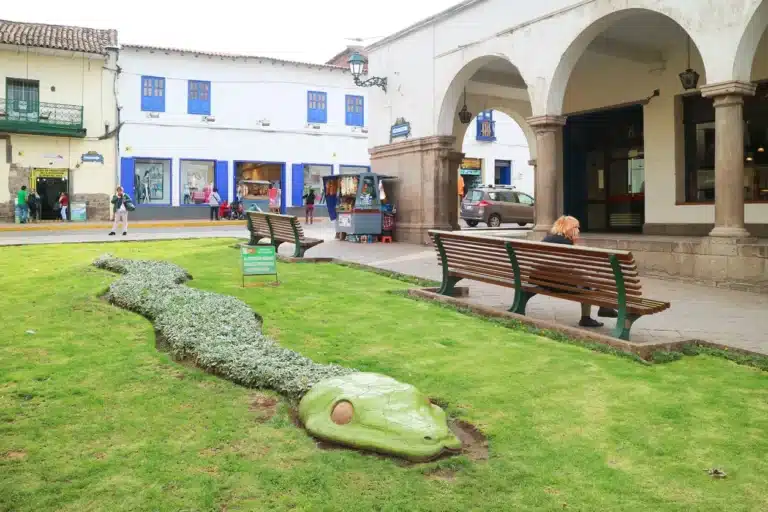
Exploring Puno’s Main Plaza, also known as Plaza de Armas, is a great way to kick off your trip. It’s located in the heart of the city and gives you a feel for daily life in Puno. The plaza is sometimes the site of cultural events, small festivals, or public gatherings, so you might catch something interesting during your visit. Even on quiet days, it’s a relaxing spot to people-watch and enjoy the local rhythm.
The plaza is lined with beautiful old colonial buildings, like the Puno Cathedral, which adds a touch of history and character to the area. Make sure to check out the landscaped gardens and small fountains that bring color to the square. It’s also a perfect place for photos—especially in the early morning or late afternoon light.
You’ll often find a few local vendors around the plaza selling snacks, crafts, or souvenirs, adding to the welcoming vibe. Whether you’re stopping for a quick break or spending time soaking it all in, the Plaza de Armas is definitely a must-see when you’re in Puno.
2. Check Out Local Street Art and Murals
Puno is home to vibrant street art and murals that showcase the city’s culture and history. Walking around town, you’ll find walls adorned with colorful murals depicting scenes from the region’s past and present. These artworks offer a unique way to experience Puno beyond its traditional landmarks.
These lively pieces of art aren’t confined to galleries but are displayed right on the streets for everyone to enjoy. Many murals focus on themes related to Lake Titicaca, indigenous culture, and local traditions. Each mural has its own story, and you don’t need to be an art expert to appreciate the creativity and meaning behind them.
Taking time to explore these murals gives you a deeper connection to the local community’s artistic spirit. Plus, it’s a great way to enjoy a leisurely stroll through different neighborhoods of the city. Don’t forget your camera, as you’ll want to capture these colorful and meaningful pieces.
3. Visit the Puno Cathedral
Visiting the Puno Cathedral is like stepping back in time. This historic landmark is located right on the Plaza de Armas, making it easy to find. This cathedral is a striking example of Spanish colonial architecture with some Andean influences.
The exterior is intricately carved in stone, and stepping inside reveals a serene space filled with religious icons and beautiful stained glass. Whether you’re religious or not, the cathedral offers a peaceful atmosphere perfect for quiet reflection.
Local people sometimes visit the cathedral for mass or other religious events, and you can join if you like. It’s a great chance to experience a bit of the local culture. A visit here is not just about admiring the architecture but also about understanding the community that calls Puno home.
4. Hike to the Viewpoint at Cerro Huajsapata
For those who love a bit of adventure, hiking to Cerro Huajsapata is a must. The hike isn’t too long, but it does have some steep sections. It’s worth the effort, though, because the panoramic views of Puno and Lake Titicaca from the top are absolutely breathtaking.
On the way up, you’ll see locals going about their day, and you may also cross paths with other hikers. It’s also a great opportunity to catch your breath and enjoy the surrounding scenery. The hike offers a good mix of exercise and sightseeing.
Once you reach the summit, you’ll find a statue of Manco Cápac, the legendary first Inca. Take your time to soak in the impressive views and capture the stunning landscape with your camera. The trek to Cerro Huajsapata is a rewarding experience that you won’t want to miss.
5. Relax by Lake Titicaca (Take a Boat and Other Activities)
No trip to Puno would be complete without spending time at Lake Titicaca. It’s the largest lake in South America by volume of water, and it holds a special place in Andean mythology. Whether you’re simply relaxing by the shore or taking a boat tour, the lake is a beautiful and serene sight.
Boat tours are a popular activity, taking you to places like the Uros Floating Islands, where you’ll learn about the unique lifestyle of the people who live there. You’ll also have the chance to buy handmade crafts directly from the locals. The experience is both educational and visually stunning.
If you’re into water sports, there are also activities like kayaking and paddleboarding available. But even if you just choose to relax by the shore and enjoy the view, it’s a peaceful experience. A visit to Lake Titicaca is truly a highlight of any trip to Puno.
6. Visit Parque Pino (Pino Park)
Parque Pino is a charming small park located in the heart of Puno. It’s quieter than the bustling Plaza de Armas, making it a peaceful spot to catch your breath. The park features a lovely fountain and is surrounded by trees, providing shade on a sunny day.
Local vendors often set up stalls around the park, so you can grab a quick snack or drink if you’re feeling peckish. The San Juan de Dios Church, with its simple yet charming architecture, is located at one end of the park and is worth a visit as well.
People of all ages visit Parque Pino, and it’s common to see families and friends relaxing here. It’s a nice place to watch people or simply relax in peace. This park offers a small slice of local life that shouldn’t be overlooked.
7. Catch a Live Dance Show at a Peña
When in Puno, attending a live dance show at a peña is a great way to experience local culture. These venues offer traditional music and dance performances that are both entertaining and educational. You’ll get a firsthand look at the vibrant costumes and energetic dances that are an integral part of Puno’s cultural identity.
The shows are lively and engaging, making them a hit with both locals and tourists. Some peñas even offer dinner, so you can enjoy local cuisine while watching the performers. It’s a wonderful blend of sights, sounds, and tastes.
You’ll also get to meet and talk with locals, which makes the experience even better. If you’re up for it, you might even be invited to join in the dancing. Attending a peña is a fun, immersive way to dive into the culture of Puno.
8. Indulge in Puno’s Local Cuisine
Trying Puno’s local cuisine is a treat for your taste buds. The region has a special mix of flavors that show its Andean roots. Make sure to try dishes like “trucha” (trout) from Lake Titicaca or “cuy” (guinea pig) if you’re feeling adventurous.
The local markets and street vendors are great places to sample traditional foods. You can enjoy these dishes at local restaurants or from food stalls around the city. Puno’s cuisine is hearty and flavorful, perfect for fueling your adventures.
Eating local food is a fantastic way to connect with the culture, so take your time and savor each bite. Don’t forget to try a local drink like muña tea, which is also helpful for adjusting to the high altitude. Enjoying Puno’s local dishes is a must-do for any foodie visiting the city.
9. Experience Local Life at the Feria Sabatina (Saturday Street Market)
The Feria Sabatina is the perfect place to experience authentic local life in Puno. The Saturday market is busy and has everything from fresh fruits and veggies to handmade crafts. It’s a popular spot among locals, giving you a true taste of the region’s culture.
Strolling through the market, you’ll come across a variety of goods. Whether you’re interested in buying something or simply browsing, the vibrant colors and lively atmosphere are a feast for the senses. Plus, it’s a great opportunity to practice your bargaining skills.
Market vendors are friendly, and you’ll find it easy to strike up a conversation. Local markets like this one offer a window into the daily lives of the people living in Puno. So, even if you don’t buy anything, taking a walk through the Feria Sabatina is an experience in itself.
Puno may be a small city, but it offers a travel experience that feels full and grounded. You don’t need a packed itinerary or distant excursions to enjoy what it has to offer. Sometimes, it’s the quieter moments—walking through a local market, watching the sunset by the lake, or hearing traditional music in the streets—that stay with you the longest.
So, if you’re heading to Lake Titicaca, don’t just pass through. Spend time in the city itself. Explore, eat, take in the views, and let Puno show you its rhythm—one that’s shaped by tradition, community, and the calm of the Andes.
What to Know Before Visiting Puno: Tips for a Smooth Trip
Visiting Puno can be an unforgettable experience. But a smooth trip requires some preparation. Don’t worry, we’ve got you covered with practical tips to make your visit enjoyable.
Altitude and How to Adjust
Puno is located at about 3,827 meters (12,556 feet) above sea level. Many travelers may experience altitude sickness. It’s no joke. Symptoms can include headaches, dizziness, and nausea. Take it easy when you first arrive. Consider spending your first day resting. Also, drink plenty of water. Staying hydrated can help your body adjust.
Avoid alcohol and heavy meals right away. Try chewing coca leaves or sipping coca tea. It’s a traditional remedy that locals swear by. If you’re really worried, talk to your doctor before your trip. They might recommend medication to help cope with the altitude.
What to Pack for the Weather
The weather in Puno can be unpredictable. It’s key to pack smart. It can be warm during the day, but nights usually get chilly. Layers are your best friend. Bring a good jacket. For daytime, light shirts and a warm sweater work well. Don’t forget sun protection. The sun is strong at this altitude. A hat, sunglasses, and sunscreen can protect you.
Be prepared for rain, especially from December to March. A waterproof jacket or poncho is handy. Sturdy walking shoes are also a must. They’re perfect for exploring the city and the beautiful surroundings.
Safety Tips
Safety is important when traveling anywhere. Puno is generally safe, but it’s smart to stay alert. Keep your valuables secure. Use a money belt or hidden pouch. Also, avoid walking alone at night. Stick to well-lit and busy areas instead. It’s best to take a taxi if you’re unsure.
Check with locals or your hotel about places to stay away from. Trust your gut. If something feels off, it’s okay to leave. Always have a backup plan. Keep copies of important documents, too.
Money and ATMs
The Peruvian Sol is the currency used in Puno. It’s useful to have some cash on hand. Many small businesses don’t take credit cards. ATMs are available in the main areas. Choose ones connected to banks for security. Remember, there might be fees and withdrawal limits.
Carry small bills and coins. Vendors often struggle with large denominations. It’s always good to have enough for tuk-tuks or small purchases. Be wise with your money.
When to Visit
Puno is a year-round destination, yet the best time is May through October. These months are dry and cool, perfect for outdoor activities and festivals. November to March is the rainy season. The scenery is lush, but some activities might be affected.
Festival-goers should plan for February. The Candelaria Festival is a highlight. It’s vibrant and full of life. However, it’s also busy, so book your accommodation in advance.
By keeping these tips in mind, your trip to Puno will be smooth and memorable.
Cultural Etiquette in Puno: What to Know as a Visitor
Understanding and respecting cultural etiquette while in Puno is essential for fostering respectful interactions and enriching your travel experience. Here are some key cultural etiquette tips to keep in mind when visiting Puno:
Respect Traditional Attire:
Many locals in Puno proudly wear traditional clothing, which is an important part of their cultural identity. When attending festivals or tribal events, it’s a sign of respect to appreciate and not mock their attire.
If you wish to wear traditional clothing, consider doing so with permission or guidance from locals, as cultural attire is often reserved for special occasions and may be symbolic in ways visitors might not fully understand.
Learn Basic Phrases:
While Spanish is widely spoken, many people in Puno also speak native languages like Aymara and Quechua. Knowing a few basic words in these languages shows you respect and appreciate the local culture. Even simple greetings in these languages can help you connect with locals.
Proper Greetings:
Handshakes are common, but a friendly smile and a respectful nod can suffice in less formal situations. Use appropriate titles such as “Señor” or “Señora” followed by the person’s surname. In rural or indigenous communities, it’s respectful to use “Don” or “Doña” as a form of address.
Photography Etiquette:
Always ask for permission before taking photos of people, especially in rural areas. Some communities may have cultural beliefs against photography or may feel uncomfortable being photographed. Respecting personal space is key, and be aware that some may request that their photo not be taken.
Respect Religious Practices:
Puno has a rich tapestry of religious beliefs, often blending Catholicism with indigenous traditions. Show respect during religious events and follow what the locals do when it comes to how to act and join in. Note that some indigenous ceremonies and rituals may be private and should not be observed without invitation.
Participate Respectfully in Festivals:
Puno is famous for its vibrant festivals, such as the Fiesta de la Candelaria. Participate with enthusiasm but also with respect for the customs and practices you are witnessing. It’s important to follow the dress code if participating in traditional dancing or rituals, which is often guided by the festival organizers.
Dining Etiquette:
When invited to a local’s home, it is polite to accept food and drink offerings. It may be considered rude to refuse. Remember to express gratitude, as hospitality is highly valued in Peruvian culture. It’s also common to offer a small token of appreciation, such as a gift, when visiting someone’s home.
Be Mindful of Bargaining:
While bargaining is common in markets, it should be done respectfully and in good spirit. Recognize the value of artisan crafts and avoid excessively haggling on already fair prices. It’s advisable to keep bargaining friendly and not push for extremely low prices.
Respect the Environment:
Puno is surrounded by breathtaking landscapes, including Lake Titicaca. Help keep the area beautiful by following sustainable tourism tips like not littering and staying on the trails. Be sure to throw away trash in the right places and don’t bother the animals.
Observe Personal Space and Touching:
While Peruvians are generally warm and friendly, they still value personal space. Avoid excessive physical contact unless you are familiar with the local customs or have established a closer relationship. It’s important to be mindful of how personal space is respected in rural communities, where close physical interaction may be less common than in urban areas.
By keeping these cultural etiquette tips in mind, visitors to Puno can engage more meaningfully with its people and heritage, ensuring a rewarding and respectful travel experience.
Puno for Slow Travelers: Why It’s Worth More Than One Night
Most travelers pass through Puno quickly. Many stay just one night before heading to Lake Titicaca or moving on to Cusco. But if you give this city a little more time, you’ll start to see what makes it special.
First, the pace here is naturally slower. It’s not a place for rushing around. The streets are walkable, the lake is always close, and the local markets offer a real look at daily life in the Andes. Spending an extra day or two lets you ease into the rhythm. You notice more when you’re not in a hurry.
Also, the altitude is no joke. Puno sits at over 3,800 meters (12,500 feet), so taking it slow helps your body adjust. That alone makes an extra night a smart choice. You’ll feel better, move easier, and enjoy more.
Then there’s the local culture. Puno earned its title as the folklore capital of Peru for a good reason. Traditional dance, live music, and colorful festivals are part of the city’s identity. The most famous of these is the Fiesta de la Candelaria, which takes place in February. But these aren’t always packed into one day. With more time, you’re more likely to catch a street performance or a local celebration you didn’t plan for.
Plus, the small stuff ends up being the most memorable. Like a long lunch by the plaza, a quiet walk by the lake, or a calm evening at a café with live music. These are the things you miss if you’re just rushing through.
So, if your schedule allows, stay longer than one night. It gives you space to breathe, explore without pressure, and really experience what Puno has to offer. Puno’s slower pace offers a deeper connection to local life that makes it a hidden gem in Peru. It’s worth it.
Where to Go Next? Destinations for Travelers After Puno
After exploring the beauty of Puno, you might be wondering what’s next on your Peru adventure. Luckily, there are plenty of exciting destinations to continue your journey. Puno is just the beginning, and these next destinations offer the perfect mix of adventure and relaxation. If you’re ready to continue your travels, these spots should be on your list.
Let’s take a closer look at the best places to go after Puno:
Lake Titicaca: Explore More Islands
If you’re still captivated by Lake Titicaca, there are more islands to explore beyond the popular Uros and Taquile Islands. Amantaní and Taquile offer a more peaceful and authentic experience. You can spend time with local people and learn how they’ve kept their traditions alive.
These lesser-known islands are perfect for travelers seeking a more relaxed pace. With beautiful views and a chance to experience both Aymara and Quechua cultures, they provide a deep connection to the heart of Lake Titicaca.
Colca Canyon: A Natural Wonder
If you’re looking for adventure, visit Colca Canyon, one of the world’s deepest canyons. It’s perfect for hiking, spotting wildlife, and enjoying amazing views. You can even see the Andean condor, one of the largest flying birds in the world, soaring above the canyon.
This destination is perfect for nature lovers. The rugged scenery and quiet atmosphere give you a chance to escape the crowds and experience the beauty of Peru’s natural wonders.
Arequipa: The White City
If you’re looking for a change of scenery, Arequipa, also known as “The White City” (for its buildings made from sillar, volcanic rock), is just a short trip from Puno. Its stunning colonial architecture creates a charming and unique atmosphere. The Santa Catalina Monastery is a must-visit for anyone interested in history.
Arequipa also offers access to nearby natural attractions, like the Misti Volcano, where you can hike or simply enjoy the view. The mix of city life and natural beauty makes Arequipa the perfect next destination after Puno.
Cusco: The Heart of the Inca Empire
When you’re ready to dive deeper into Peru’s rich history, Cusco is the perfect next stop. It’s the gateway to Machu Picchu and the Sacred Valley, offering plenty to explore. Wander through ancient Inca ruins like Sacsayhuamán and Qorikancha, and enjoy the vibrant culture and art of the city.
Cusco is also a place where you can immerse yourself in local traditions, visit bustling markets, and savor delicious Peruvian cuisine. It’s the ideal destination for travelers seeking culture and history, just a short trip from Puno.
Machu Picchu: Peru’s Iconic Wonder
Machu Picchu is undoubtedly one of the top reasons travelers visit Peru, and it’s just a few days’ journey from Puno. This UNESCO World Heritage site is a must-visit for anyone who loves history, architecture, and stunning views. A train ride through the Sacred Valley makes the journey as spectacular as the destination.
For lots of people, visiting Machu Picchu is the best part of their trip to Peru. It’s more than just the famous ruins—it’s about being somewhere full of history and amazing nature.
These destinations are all easy to reach from Puno and offer a variety of experiences, from stunning nature and wildlife to rich cultural heritage. Whether you want to relax by the coast or explore ancient wonders, each of these places makes for a memorable continuation of your trip to Peru.
Frequently Asked Questions
To help you get the most out of your visit, we’ve compiled answers to some of the frequently asked questions that will give you the details you need before you go. Here’s what you need to know for your Puno adventure:
Is English widely spoken in Puno?
In Puno, Spanish and Aymara are the primary languages spoken. English isn’t spoken by many people, but some hotel staff and tour guides know a little. Learning a few Spanish phrases can help you communicate and enjoy your trip more. Always carry a translation app or phrasebook to assist during your travels.
What should I wear when visiting Puno?
When visiting Puno, it’s important to dress in layers due to its high altitude and fluctuating temperatures. During the day, it may be sunny and warm, while nights can be quite cold. Make sure to bring a warm jacket, comfy shoes for walking, and sun protection like a hat and sunscreen to stay comfortable all day.
Can I go kayaking on Lake Titicaca?
Kayaking is a popular activity on Lake Titicaca and offers a unique way to explore the lake’s stunning scenery. Various local tour operators in Puno offer kayaking tours, which can range from a few hours to full-day excursions. These tours often provide all necessary equipment and are guided to ensure safety on the water.
How long does it take to visit the Uros Floating Islands from Puno?
A typical boat trip from Puno to the Uros Floating Islands takes about 30 minutes. Most tours spend a couple of hours on the islands, allowing visitors to learn about the unique construction of the islands and the lifestyle of the Uros people. Plan for a half-day tour or combine it with visits to other nearby attractions for a full-day experience.
How do I visit the Taquile Islands from Puno?
To visit Taquile Island from Puno, you can take a boat tour, which typically includes other stops like the Uros Floating Islands. The boat ride to Taquile Island takes approximately 2 to 3 hours. Once there, you’ll have the chance to explore the island, learn about the local people’s traditions, and enjoy the stunning lake views.
Can I visit local villages in Puno without a guide?
While it’s possible to visit some local villages around Puno without a guide, it’s recommended to join a guided tour for a more enriching experience. Guides can share helpful information about the local culture, history, and traditions that you might not notice if you explore on your own. Additionally, having a guide can help facilitate communication with locals, especially if you don’t speak Spanish or Aymara.
Is Puno an expensive city to visit?
Puno is generally considered an affordable destination for travelers. Accommodation, food, and local transportation are reasonably priced compared to larger Peruvian cities like Cusco or Lima. However, costs can vary depending on the type of services and experiences you choose, so it’s important to plan your budget accordingly.
Is it safe to travel to Puno alone?
Puno is generally safe for solo travelers, but like any travel destination, it’s important to stay aware of your surroundings. Take basic safety steps like watching your belongings and staying away from quiet places after dark. Engaging with local tour operators and staying in accommodations with good reviews can also enhance your safety and travel experience.
Continue Your Peru Itinerary: From Puno to Machu Picchu
If you’ve heard that Puno is merely a quick stop on the way to Lake Titicaca, you might be surprised by how much there actually is to do. The city may be small, but it offers plenty—floating islands, traditional food, Andean views, and local culture that feels very much alive. Give it time, and it becomes more than just a stopover. Spending an extra day here can reveal the quieter rhythms of daily life and allow you to explore beyond the main attractions.
If you’re continuing your Peru itinerary after Puno, consider heading to Cusco and eventually Machu Picchu. This route brings together the two sides of Peru—vibrant local life in the south and ancient history high in the mountains. It’s the kind of travel that gives your trip more meaning with every stop. From lake views to highland valleys, the journey itself offers a dramatic shift in landscape and culture.
If Machu Picchu is on your list—as it should be—there are various ways to experience it. Train journeys through the Sacred Valley to Aguas Calientes offer comfortable and scenic routes, allowing you to enjoy not just the destination but every moment along the way. At Inca Rail, you can expect breathtaking views and relaxing onboard service that make the ride as memorable as the ruins themselves.