
Cusco Food for First-Time Travelers: A Complete Guide to Authentic Peruvian Cuisine in the Andes
Cusco is known around the world as the gateway to Machu Picchu, but it’s also a city where food plays a big role in daily life. Sitting high in the Andes, Cusco was once the center of the Inca Empire and a meeting point for many cultures over hundreds of years. This history is still alive today, especially in the food. When you try Cusco food, you’re tasting more than just flavors—you’re experiencing a rich culture that has grown and changed over centuries. The city’s food tells stories about the people and traditions that make Cusco unique.
Cusco food mixes ancient Indigenous recipes with Spanish influence and modern cooking styles. Ingredients like potatoes, quinoa, and corn are staples here and have been grown in the region for hundreds of years. These foods aren’t just healthy choices—they are part of the local identity. Whether you find yourself at a busy market, a street food stall, or a family kitchen, food in Cusco is part of community, tradition, and celebration. It’s simple, real, and full of history that you can taste in every bite.
This guide is made for first-time travelers who want to understand the heart of Cusco’s food. We’ll cover what makes the local cuisine unique, how people eat in this city, and the best ways to enjoy authentic Peruvian dishes in the Andes. From markets to restaurants, you’ll learn what to look for and what to try. If you’re ready to explore, Cusco offers flavors that are as memorable as its famous sights.
What will you find here?
- A Taste of Tradition: Why Cusco’s Cuisine Matters
- Cusco Food Guide: 15 Dishes Every First-Time Visitor Should Try
- Where and How to Eat Like a Local in Cusco
- Seasonal Food Experiences in Cusco
- Ready to Feast? Your Guide to a Culinary Tour of Cusco
- Practical Tips for First-Time Food Travelers in Cusco
- Frequently Asked Questions
- Cusco Food and Travel: Final Thoughts
A Taste of Tradition: Why Cusco’s Cuisine Matters
Cusco’s cuisine comes straight from the land. High-altitude farming, Indigenous knowledge, and Spanish influence all play a big role. You’ll find earthy potatoes, tender meats, hearty grains, and spicy sauces made with native chilies and herbs. It’s a unique food culture shaped over centuries.
The Incas saw food as sacred. That idea still shapes Cusco cuisine today. Every meal shows respect for nature and a strong sense of community. Traditional Peruvian dishes here carry stories and traditions passed down through generations. This is food with meaning. Once you try it, you’ll see why Cusco is known for its unforgettable flavors and rich food history.
In short, Cusco’s food scene is more than just taste. It’s about culture, tradition, and the connection between people and the land. For anyone interested in authentic Inca food traditions and traditional Peruvian dishes, Cusco is a must-visit spot.
Cusco Food Guide: 15 Dishes Every First-Time Visitor Should Try
Cusco is famous for its rich history and stunning mountain views, but it’s also a food lover’s dream. Thanks to its unique Andean setting, the city offers traditional dishes crafted from fresh, local ingredients you won’t find anywhere else. Whether you’re visiting for the first time or just passing through, trying the local food is one of the best ways to experience Cusco’s culture.
Here are the top 15 Cusco dishes to try:
1. Cuy al Horno
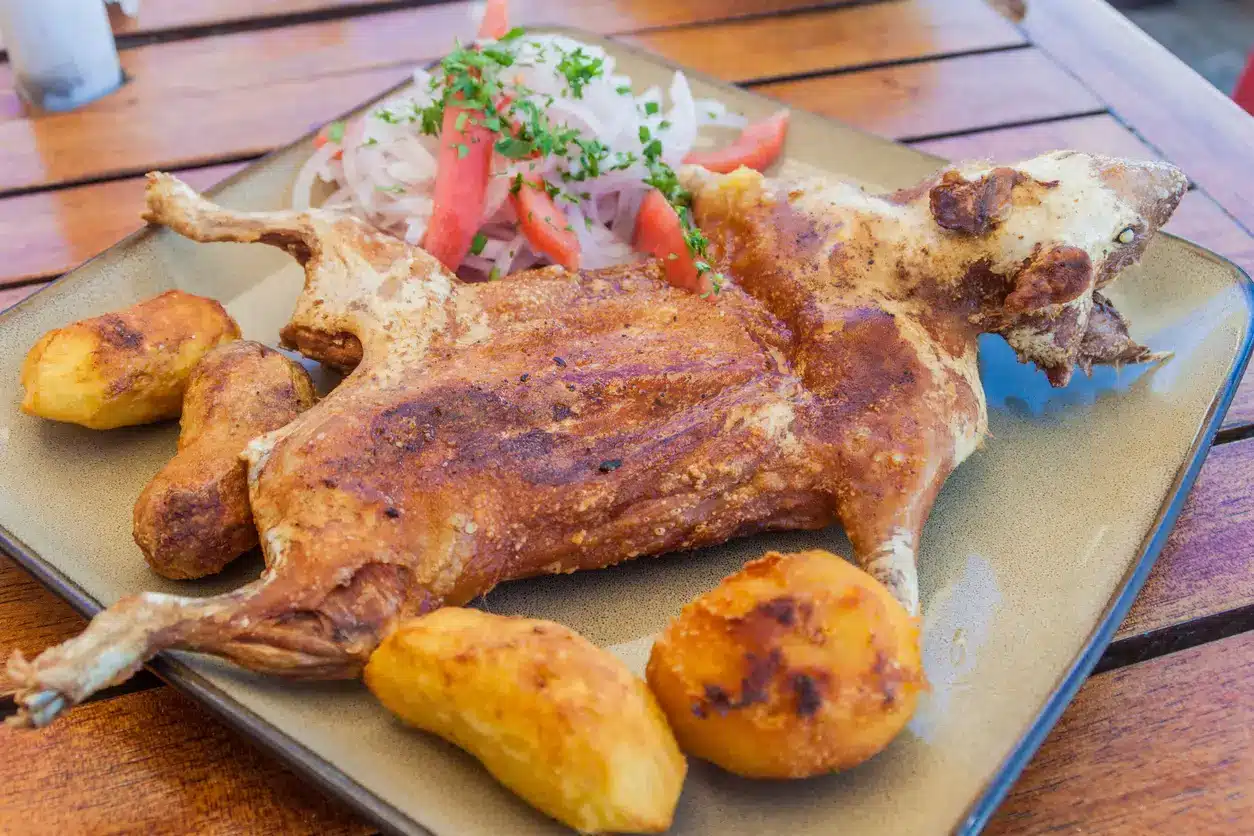
Cuy al Horno, or roasted guinea pig, is a must-try when you visit Cusco. It might sound unusual to some, but this dish is a traditional Peruvian delicacy cherished for its unique flavor. Often marinated with herbs and spices, cuy is roasted to perfection, giving it crispy skin and tender meat. It’s usually served whole, so don’t be surprised by its presentation.
Digging into a plate of cuy gives you a glimpse into the region’s heritage. For locals, it’s more than just food; it’s an experience that brings family and friends together, especially during special occasions. If you’re feeling adventurous and want to truly immerse yourself in Cusco’s food culture, this is the dish to try.
2. Lomo Saltado
Next up is Lomo Saltado, a dish that beautifully marries Peruvian flavors with Chinese influence. This stir-fry delights with its combination of juicy beef, tomatoes, onions, and peppers, all sautéed in soy sauce and spices. This hearty meal includes a generous serving of crispy fries paired with rice.
Lomo Saltado is comfort food at its finest. Simple yet satisfying, it highlights the unique fusion of culinary traditions in Peru. When in Cusco, you’ll find this classic dish in many local restaurants and homes, making it a delicious staple that you can’t miss.
3. Aji de Gallina
Aji de Gallina is another classic that showcases the unique flavors of Cusco food. This creamy chicken dish is prepared with shredded chicken breast cooked in a savory sauce made from aji amarillo (Peruvian yellow chili peppers), ground nuts like walnuts or pecans, cheese, and bread soaked in milk. Usually accompanied by white rice, boiled potatoes, black olives, and a slice of hard-boiled egg, it makes for a hearty and well-rounded meal.
With its rich, creamy texture and gentle hint of spice, Aji de Gallina is a comforting dish that soothes the soul. It’s a beloved favorite in Cusco and across Peru, often served at family gatherings and in local restaurants. It’s a taste of home you’ll want to come back to again and again.
4. Sopa de Quinua
For a nutritious option, try Sopa de Quinua. This traditional Andean soup is made with quinoa, local vegetables like carrots, onions, and garlic, and sometimes small pieces of meat or chicken broth, though vegetarian versions are also common. Cusco is part of the Andean region known for quinoa farming, and this ancient grain adds both texture and protein to the dish. This local superfood adds an important nutritional punch to your meal.
A warm bowl of Sopa de Quinua is perfect for chilly evenings in Cusco. It’s simple, satisfying, and packed with local flavor—an ideal introduction to the nourishing side of Andean cooking.
5. Trucha Frita
Trucha Frita, or fried trout, is a favorite among seafood lovers. The trout is caught fresh from the highland rivers, then seasoned and fried until golden. Often served with potatoes and salad, it’s a straightforward yet delicious meal.
What makes Trucha Frita special is its freshness and the simplicity of flavors that allow the trout’s natural taste to shine. Perfect for a laid-back lunch while enjoying the views of Cusco, this popular dish is both a culinary and visual treat.
6. Choclo con Queso
Simple but satisfying, Choclo con Queso is a street food snack that can be found all around Cusco. Large kernels of Andean corn, known as choclo, are boiled and served with a slice of local cheese. This combination is perfect for a quick bite as you explore the city.
The contrast of the sweet corn and the salty, creamy cheese makes Choclo con Queso an irresistible treat. It’s the kind of comfort food that’s deeply rooted in Andean tradition and offers a delightful break during your sightseeing adventures.
7. Rocoto Relleno
Bold and flavorful, Rocoto Relleno is a dish that will spice up your Cusco food journey. It’s a spicy pepper stuffed with a mixture of beef, onions, eggs, and spices, topped with cheese, and baked to perfection.
The spicy kick of the rocoto pepper paired with the savory filling delivers a flavorful explosion with each bite. Don’t let the spice scare you away; it’s a dish worth trying for those who enjoy a little kick in their meals and want to experience something truly authentic.
8. Quinoto
Quinoto, a creamy quinoa risotto-inspired dish, is a modern culinary creation that reflects the innovation of Peruvian cuisine and can be found in some restaurants in Cusco. Creamy and packed with flavors, it often includes vegetables and sometimes Andean cheese or a bit of meat. As quinoa is a staple grain in Peru, this dish is a great way to enjoy local ingredients.
Quinoto reflects the ingenuity of Peruvian cuisine, blending traditional ingredients with creative cooking techniques. It’s a perfect choice for vegetarians or those seeking a hearty yet healthy meal in Cusco.
9. Alpaca Steak
Leaner than beef and high in protein, alpaca meat is a sustainable and flavorful choice. And trying the Alpaca Steak in Cusco is a unique culinary experience. While it might taste slightly gamey, it’s lean, tender, and often served with a side of Andean grains or vegetables.
When you sit down to enjoy Alpaca Steak, you’re not just trying a meal—you’re experiencing a significant part of highland culture. It is both nutritious and flavorful, making it a popular choice for those looking to try something different while visiting Cusco.
10. Chairo
Chairo is a traditional Andean stew that is both hearty and flavorful. It combines beef or lamb with potatoes, herbs, and vegetables. The addition of chuño, or freeze-dried potatoes, gives it a unique texture and flavor.
This dish encapsulates the spirit of Cusco food with its rich, earthy tones. It is a comfort dish beloved by Cusqueños, providing warmth and satisfaction on a cool Andean day.
11. Adobo Cusqueño
Adobo Cusqueño is a slow-cooked pork stew that’s full of bold, comforting flavor. The pork is marinated in spices, garlic, and chicha de jora (a local fermented corn beverage), then simmered until the meat is tender and juicy. It’s typically served with bread rather than rice, which is used to soak up the rich, slightly tangy broth.
Traditionally, this dish is eaten in the early morning—especially during festivals like Corpus Christi. It’s flavorful, warming, and deeply tied to Cusco’s food culture—one bite and you’ll see why it’s such a local favorite.
12. Tallarines Verdes con Bistec
Tallarines Verdes con Bistec is a fusion of Italian and Peruvian flavors, bringing pesto pasta to the Andes. The pasta is coated in a vibrant green sauce made from spinach, basil, and cheese and served with a succulent steak on top.
This dish is widely loved for its hearty and fresh flavors. The combination of the rich green sauce and perfectly cooked steak makes it a fulfilling choice that resonates with both locals and visitors in Cusco.
13. Olluquito con Charqui
Olluquito con Charqui showcases traditional Andean ingredients, using olluco (a type of root vegetable) and charqui (dried llama or alpaca meat). This dish is a true representation of indigenous cooking methods and flavors.
With its unique ingredients, Olluquito con Charqui provides a taste of historical Andean cuisine. It’s a wonderful way to experience ancient flavors that have been passed down through generations in Cusco.
14. Tamales Cusqueños
Tamales Cusqueños are steamed corn dough stuffed with a variety of fillings such as meat, cheese, or veggies. Wrapped in corn husks, these tamales are a Cusco specialty often enjoyed for breakfast or as a snack.
Easy to carry and full of flavor, they are perfect to munch on as you explore the vibrant streets of Cusco. Tamales Cusqueños offers a great introduction to the traditional culinary techniques of the region.
15. Empanadas Cusqueñas
Empanadas Cusqueñas are melt-in-your-mouth turnovers filled with savory ingredients like beef, chicken, or cheese. Baked to a golden crisp, they make a delicious and quick meal or snack.
These empanadas are a popular street food choice, allowing you to enjoy a taste of Cusco on the go. Their flaky crust and satisfying filling make them a favorite among both locals and tourists looking for a bite of authentic Peruvian cuisine.
Cusco is full of history, culture, and vibrant flavors that make every meal an experience. While these 15 dishes are a great starting point, they’re just the beginning. The city offers countless traditional and modern specialties that reflect its Andean roots and culinary creativity.
When you visit Cusco, don’t just see the sights—taste everything you can. From hearty stews to street-side snacks, there’s always something new and delicious waiting to be discovered.
Where and How to Eat Like a Local in Cusco
Eating like a local in Cusco is one of the best ways to understand the city. Local meals are affordable, filling, and full of flavor. More importantly, they reflect the real culture of the Andes. You won’t always need a fancy menu or big-name restaurant to enjoy good Cusco food. In fact, some of the best dishes are found in the most everyday places.
So, if you’re wondering where to go and how to do it, here are the best spots to find real local food in Cusco:
1. Eat at Local Markets and Food Stalls
One of the easiest ways to eat like a local in Cusco is to visit the markets. These are where people go for fresh produce, snacks, and full meals. You’ll find hot soups, tamales, fried trout, and big portions of rice and meat dishes. Prices are low, and meals are served fast.
Markets also have food stalls that offer quick snacks like choclo con queso (large-kernel Andean corn with cheese), fruit smoothies, and mates de quinoa (warm quinoa herbal teas). It’s a casual place, and there’s no need to dress up. Just grab a seat next to local shoppers and dig in.
2. Try the Menu del Día in Small Restaurants
All over Cusco, you’ll see signs that say Menu del Día. This means “menu of the day,” and this meal includes a starter, main course, and drink—all offered at an affordable price. Locals eat this almost every day, especially for lunch. It’s basic food, but it’s fresh and tasty.
These meals are usually served in small family-run restaurants called comedores. You won’t always get a menu to read. Just ask what’s available, and go with it. It’s one of the best ways to eat traditional Cusco food without spending much.
3. Look for Street Food and Morning Breakfast Spots
Street food is a big part of local life in Cusco. Vendors set up carts or carry coolers with all kinds of things—grilled meats, empanadas, soups, or sweet corn drinks. It’s easy to grab something on the go. Locals often eat standing up or sitting on a bench nearby.
In the morning, many people stop at small breakfast stands. They serve warm dishes like quinoa porridge, tamales, and fresh juices. These stands are quick and always busy. If you want to start your day like a Cusqueñan, this is the way.
4. Explore Local Neighborhoods Outside the Main Plaza
Tourists often stay around the city center, but locals usually eat in neighborhoods a few blocks away. These areas have comedores—small, home-style restaurants where food is made in big batches. The food is simple, and the service is fast.
It’s also easier to find more traditional Cusco dishes in these spots. Things like chuño soup, olluquito con charqui, and adobo cusqueño are more common here. You won’t see many tourists, but that’s the point.
5. Go Where People Gather on Sundays
Sunday is a big food day in Cusco. Families go out to eat special dishes like lechón (roast suckling pig) or chicharrón (fried pork). These are often served in outdoor spaces or family-owned kitchens with extra tables.
It’s also a great time to try unique Cusco street food and drinks. You’ll see big pots of soup, roasted meats, and vendors calling out what they’re selling. The vibe is friendly, and the food is filling.
Eating like a local in Cusco doesn’t mean spending a lot. It just means knowing where to go and what to try. From market meals to street snacks, there’s always something good around the corner. So skip the tourist menus now and then, and dive into real Cusco food the way locals do—casual, affordable, and full of flavor.
Seasonal Food Experiences in Cusco
The cuisine in Cusco changes with the seasons, and local celebrations often bring traditional dishes to the forefront. Let’s dive into how these elements combine to create seasonal food experiences that are both diverse and delicious.
Festivals with Traditional Foods
Festivals are a big part of life in Cusco. During these times, traditional foods play a huge role in the celebrations. One of the most important festivals is Corpus Christi. Here, the star of the show is Chiri Uchu, a traditional dish that’s a cold dish consisting of various ingredients such as cold cuts, boiled chicken, guinea pig, sausage, cheese, corn, and boiled eggs, usually seasoned with Andean spices and sometimes chili. People in Cusco have been serving Chiri Uchu for centuries. It’s a must-try if you’re visiting during the festival.
Besides Corpus Christi, other events also bring special flavors to the table. The Potato Festival (Fiesta de la Papa) in May celebrates the region’s diverse potato varieties, and harvest time sees families gathering to celebrate with the freshest ingredients. Catholic holidays, too, influence the type of food you’ll find, with special meals and treats prepared to mark these sacred times.
Seasonal Ingredients
In Cusco, the ingredients you find depend largely on the season. During the dry season, which is from May to September, you’ll see a variety of fresh produce in the markets. Corn, potatoes, and different types of beans are plentiful. That’s also when you can enjoy fruits like peaches and figs. During the rainy season, which runs from October to April, you’ll find an abundance of ingredients like avocados, squash, and tropical fruits, including bananas and passion fruit.
This variation is important to note. It means that what you eat in Cusco can change quite a bit depending on when you’re there. The availability of ingredients affects not just the look but also the taste of dishes. So, visiting in different seasons can offer a whole new culinary experience.
In short, the food scene in Cusco is as vibrant and diverse as its culture. Whether you’re there for a festival or just exploring the local markets, the seasonal food experiences in Cusco promise to be a delightful adventure for your taste buds.
Ready to Feast? Your Guide to a Culinary Tour of Cusco
From the busy local markets to the small food corners hidden in quiet streets, Cusco food tells a story of tradition and daily life. You don’t need a fancy tour to eat well here. All you need is a little time and curiosity. This simple two-day food guide will help you explore the best local spots to eat:
Day 1: Taste the Everyday Cusco
Start with the kind of food locals eat every day. It’s simple, fast, and full of flavor. You won’t need to go far — just follow the smells and the crowds. Today is all about casual meals and street bites you’ll find all over Cusco.
Have Breakfast in a Local
Start early and head to a local market. Look for food stalls where people are eating. You’ll find things like warm quinoa-based drinks (colada de quinua), tamales, and fresh bread or local pastries. It’s fast and very local. The prices are good too.
Snack on Street Food
As you walk around town, keep an eye out for small food carts. You might see boiled corn (choclo), cheese, or fried snacks like picarones (Andean doughnuts) or empanadas. These are perfect for a quick bite. Locals eat them all day.
Get Lunch at a Menu del Día Spot
By lunchtime, look for a “menú del día” sign. “These small places provide a full meal that usually includes a soup, a main dish, and a beverage. It’s the way most people eat lunch in Cusco. The food is homemade and cheap.
Grab a Light Afternoon Bite from a Bakery
Later in the day, stop by a bakery for a sweet or salty snack. You can find cheese rolls, small empanadas, or cookies. Many locals grab something here with tea or coffee before dinner.
Eat Dinner in a Local Neighborhood
In the evening, walk into a less touristy area. You’ll find places serving typical Cusco dishes like lomo saltado or alpaca steak. It’s quieter and often better value. The food feels more home-cooked too.
Day 2: Try More Traditional Cusco Food
Now, it’s time to go a bit deeper. Day 2 is about trying dishes that come straight from the Andes and have been part of Cusco’s food culture for years. You’ll visit places where the cooking feels more homemade and full of local tradition.
Start the Day at a Street Breakfast Stand
Skip hotel food and go where the locals eat breakfast. Look for small carts with hot drinks like maca tea or warm quinoa drinks, plus bread, tamales, or fried eggs. These stands are everywhere early in the morning.
Visit a Different Market for More Options
Each market has its own style. Go to a new one and try dishes like fried trout, rice with meat, or a thick soup. Vendors are used to locals asking questions, so don’t be shy.
Have Lunch in a Comedor
A comedor is a small, family-run dining room. Locals eat there every day. Meals are simple, big, and cheap. Dishes often include Cusco classics like aji de gallina, chairo, or chuño-based soups.
Snack in a Public Plaza
By late afternoon, head to a plaza where people are hanging out. You’ll often find someone selling sweet snacks or warm drinks. Try arroz con leche, jelly, or fruit-based desserts.
End the Day with Street Food at Night
At night, some corners and quiet streets turn into small food spots. People set up grills or soup pots. You’ll see meat skewers, hot drinks, or fried dishes. It’s casual, and it’s part of real daily life in Cusco.
Practical Tips for First-Time Food Travelers in Cusco
Traveling to Cusco for the first time is an exciting adventure, especially for food lovers. This Peruvian city is not only known for its rich history and stunning landscapes but also for its diverse culinary scene. From traditional markets to modern eateries, there’s a lot to explore. But diving into the local food culture can be a bit overwhelming. So, here are some practical tips to help you enjoy your food journey in Cusco:
Start with the Local Markets
Cusco’s markets are a fantastic starting point. Explore any lively local market to discover a variety of fresh fruits, meats, and traditional snacks. You can sample exotic fruits or try freshly baked empanadas. Take your time to wander through, chat with vendors, and maybe even pick up a few affordable souvenirs.
Try Traditional Peruvian Dishes
Don’t leave Cusco without tasting its traditional dishes. You’ll come across iconic foods such as ceviche, a refreshing fish dish marinated in lime juice. Another must-try is cuy, or guinea pig, which is a local delicacy. While it might seem a bit adventurous, it’s a unique cultural experience that you’ll remember.
Be Mindful of Altitude Illness
Cusco sits high in the mountains (approximately 3,400 meters or 11,200 feet above sea level), and the altitude can affect your appetite and digestion. It’s common to feel full quickly or have a lower appetite. Stay well-hydrated and consider trying coca tea, a traditional remedy locals use to ease the effects of altitude sickness. Remember, it’s okay to take it slow your first few days.
Explore Street Food with Caution
Street food in Cusco can be delicious, but approach it wisely. Choose vendors where locals line up, as this often indicates fresh and safe food. Trying anticuchos, or grilled beef hearts, is popular and quite tasty. However, always choose vendors with good hygiene and freshly cooked items to minimize any risk of stomach upset.
Visit Local Restaurants for Gastronomic Fusion
Cusco offers great fusion cuisine where traditional ingredients meet modern culinary techniques. Exploring small family-run eateries or modern bistros can be a great way to taste local ingredients prepared with an international twist.
Learn Basic Spanish Food Terms
Knowing a few Spanish words can go a long way. Simple terms like “pollo” (chicken), “pescado” (fish), and “sin picante” (without spice) will help communicate your food preferences. Making the effort is valued by locals and adds depth to your dining experience.
Indulge in Peruvian Desserts
Don’t forget to satisfy your sweet tooth. Try traditional desserts like mazamorra morada, a sweet purple corn pudding, or alfajores, which are delightful caramel-filled cookies. You’ll find these treats in bakeries around the city. They’re perfect for a mid-afternoon snack or to conclude a meal.
Following these tips, your first food journey in Cusco should be memorable and stress-free. Enjoy every bite, learn from every experience, and embrace the flavors of this unique city.
Frequently Asked Questions
Trying new food in Cusco can be exciting, but it also brings a few questions. From what dishes to try to where to eat safely, here are some quick answers to help you enjoy Cusco food:
What is the best time to eat local food in Cusco?
The best time to enjoy local food in Cusco is typically during lunch, which is the main meal of the day for many locals. Most restaurants and markets offer freshly prepared dishes at this time, with lunch usually served between 12 PM and 2 PM. This is also when you can find the “menu del día,” providing an opportunity to try a variety of traditional dishes. Dinner is lighter and usually served later in the evening.
Are street foods safe to eat in Cusco?
Street foods in Cusco can be quite safe if you choose vendors with high turnover and who follow good hygiene practices. Look for busy stalls frequented by locals, as this often indicates freshly made food. It’s also wise to eat cooked foods rather than raw, as they are less likely to harbor bacteria. Drinking boiled or treated water with your meal can also reduce the risk of stomach upsets.
What is “menu del día” and how does it work?
The “menu del día” is a popular and budget-friendly dining option available in many Cusco eateries, offering a set meal at a fixed price. It usually includes a starter, a main course, a dessert, and sometimes a drink. The menu changes daily and provides a way to sample different local dishes. This choice is especially attractive for travelers wanting to enjoy authentic Cusco cuisine on a budget.
What local ingredients are most used in Cusco cuisine?
Cusco cuisine heavily features local ingredients such as quinoa, potatoes, and corn, which are staples in many dishes. These ingredients reflect the agricultural history of the region and are often combined with herbs like huacatay (also known as black mint) for seasoning. You will also find Andean grains and various types of tubers used in traditional recipes.
What kind of cheese is typical in Cusco?
In Cusco, queso fresco is a typical cheese commonly used in various dishes. It is a fresh, mild cheese that is soft and crumbly, lending itself well to salads, soups, and as a topping for many local dishes. Cusco’s fresh cheese is often made from cow’s milk or sometimes goat’s milk and is a key ingredient in dishes like papa a la huancaína.
What is the best local drink to try in Cusco?
One of the best local drinks to try in Cusco is chicha morada, a non-alcoholic beverage made from purple corn. It is flavored with cinnamon, cloves, and citrus, offering a sweet and fragrant taste. For an alcoholic option, try pisco sour, a classic Peruvian cocktail made with pisco, lime juice, simple syrup, egg white, and bitters.
Can I find international food in Cusco?
Yes, Cusco offers a variety of international food options due to its status as a popular tourist destination. You can find Italian, Chinese, and Japanese cuisines, among others, in different parts of the city. These restaurants are often concentrated in more tourist-centric areas, offering both familiar and fusion dishes alongside traditional Peruvian fare.
How can I tell if a place serves authentic Cusco food?
To determine if a restaurant serves authentic Cusco food, look for establishments frequented by locals, particularly during lunch hours. Authentic restaurants often feature traditional decor and simple settings, and their menus include classic dishes like lomo saltado and aji de gallina. Reviews and recommendations from locals or guides can also be helpful in identifying authentic dining spots.
Are vegetarian or vegan options available in Cusco?
Vegetarian and vegan-friendly options are becoming more common throughout Cusco, with many restaurants accommodating dietary preferences. Traditional dishes like quinoa salads and vegetable-based soups are naturally vegetarian. Additionally, several restaurants specifically cater to vegetarian and vegan diets, offering innovative takes on traditional Andean dishes.
Are food prices in Cusco higher in tourist areas?
Yes, food prices in Cusco tend to be higher in tourist areas, particularly in and around the historic city center. Restaurants in these areas often cater to international tourists and may charge premium prices. For more budget-friendly options, consider exploring local markets or dining in neighborhoods away from the main tourist zones.
What is the difference between Cusco food and other Peruvian cuisine?
Cusco food is distinct for its use of unique local ingredients, such as native potatoes and Andean grains, reflecting the region’s agricultural heritage. Compared to coastal Peruvian cuisine, which focuses more on seafood, Cusco’s dishes often feature hearty meats like alpaca and plenty of starchy elements. The elevation and climate of Cusco have also influenced the cooking techniques and flavors, resulting in comforting, savory meals.
Cusco Food and Travel: Final Thoughts
Exploring Cusco through its food is one of the best ways to connect with the city. Every dish tells a little story—from Andean roots to everyday local life. Whether you’re trying tamales at a market, sipping a hot quinoa drink, or digging into a plate of lomo saltado, the flavors are real, bold, and full of character. Cusco food isn’t just something you eat. It’s something you feel.
Once you’ve tasted your way around town, you’ll see how much food is part of the culture here. It’s not about fancy meals. It’s about what people eat at home, in the streets, and during big family gatherings. The good news? You don’t have to search too hard. Great food is everywhere—in markets, small corners, and quiet neighborhoods just outside the main square.
And while food is a huge part of the Cusco experience, it doesn’t have to end there. Many travelers choose to combine their food journey with a trip to Machu Picchu—and that’s a perfect next step. You get the full experience—food, culture, and one of the most iconic places in the world. If you’re looking for a smooth, scenic ride through the Sacred Valley, Inca Rail makes the journey even better. We offer comfortable, scenic rides through the Sacred Valley with great service and a deep connection to the region’s heritage.
So eat well, explore fully, and when you’re ready for the next chapter, let the journey take you further. Cusco feeds both your appetite and your sense of adventure.


