
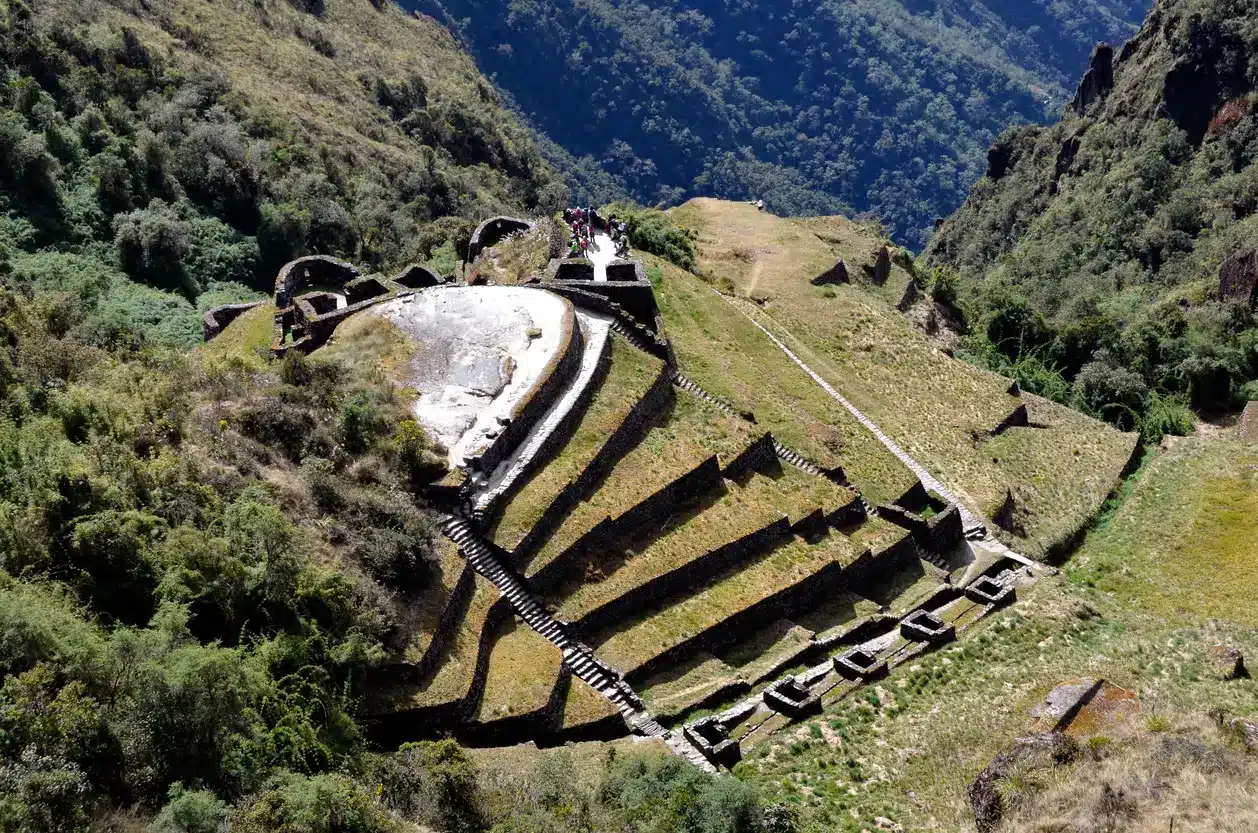
Discover Phuyupatamarca: The Archaeological Site Above the Clouds on the Inca Trail
Phuyupatamarca is an ancient Inca site located high in the Andes Mountains of Peru. Although Phuyupatamarca may not be as famous as Machu Picchu, it holds great historical and cultural importance. The site is part of the Inca Trail, a network of roads that connected different parts of the Inca Empire. Thanks to its unique location and impressive structures, Phuyupatamarca offers us a fascinating glimpse into how the Incas built their roads and cities across such a large empire.
Unlike some other Inca sites, Phuyupatamarca is quieter and less crowded. This peaceful setting makes it a great site for those curious about exploring the history of the Incas without the hustle and bustle of larger crowds. The site features well-preserved terraces, stone buildings, and pathways that were once used for travel and agriculture. These parts give us insight into how the Incas carefully designed their cities to blend with and make the most of the natural landscape.
Exploring Phuyupatamarca is like going back in time. With its stone ruins, terraces, and breathtaking views, the site provides more than just a lesson in history. As we take a closer look at this extraordinary place, you’ll uncover the mysteries and deeper meanings that make Phuyupatamarca a truly unforgettable destination.
What will you find here?
- What Is Phuyupatamarca?
- Historical Significance of Phuyupatamarca
- Architecture and Key Features of Phuyupatamarca
- Experiencing Phuyupatamarca Along the Inca Trail
- Tips for Visiting Phuyupatamarca Today
- Other Inca Trail Sites Near Phuyupatamarca
- Practical Travel Guide to Phuyupatamarca
- Frequently Asked Questions
- Final Thoughts
What Is Phuyupatamarca?
Phuyupatamarca is a significant archaeological site located in the Peruvian Andes, about halfway along the famous Inca Trail. Thanks to its position along the trail, the site played an important role within the Inca Empire. It was not simply a place for travelers to pass through. Instead, it served clear purposes related to travel, daily life, and ceremonial activities.
One of the most noticeable features of Phuyupatamarca is its series of agricultural terraces. Like many other Inca sites, these terraces were carefully built into the mountain slopes to make farming possible at high altitudes. This smart design allowed the Incas to grow crops and support those who lived or passed through the site. The terraces also helped prevent soil erosion, showing how practical planning was at the heart of Inca construction.
In addition to the terraces, the site contains several stone buildings that reflect typical Inca architecture. These include small structures that may have been used as living spaces, storage areas, or shrines. The stones were precisely cut and placed, allowing the buildings to withstand harsh weather over many centuries.
Alongside these structures, Phuyupatamarca also features an advanced water system. Channels and fountains guided water through the site, likely serving both practical needs, such as irrigation, and ceremonial purposes. Together, these elements reveal how Phuyupatamarca functioned as a well-planned and meaningful stop along the Inca Trail.
Meaning of the Name in Quechua
The name “Phuyupatamarca” comes from the Quechua language, which was spoken by the Incas.
- Phuyu means “cloud.”
- Patamarca means “town” or “settlement.”
So, the name Phuyupatamarca roughly translates to “Town in the Clouds” or “Cloudy Settlement.” This is very fitting given the site’s high-altitude location, where it is often surrounded by mist and clouds, adding a mystical quality to its surroundings.
An Inca Resting, Ceremonial, and Strategic Site
Phuyupatamarca served several important purposes along the Inca Trail, making it a key stop for travelers:
- Resting Place: Travelers, including messengers and officials, would stop here to rest during long journeys across the Inca Empire.
- Ceremonial Significance: Some researchers believe it had ceremonial importance, possibly used for religious rituals or celebrations tied to the Incas’ connection to the mountains and nature.
- Strategic Location: Phuyupatamarca also had a strategic function because of its high altitude and position along the Inca Trail. It served as a lookout point, allowing the Incas to monitor the surrounding areas and protect the trails that linked different regions.
Location and Altitude
Phuyupatamarca is located around 3,650 meters (12,000 feet) above sea level, nestled in the Andes Mountains of Peru. It sits at a crucial point along the Inca Trail, roughly halfway between the town of Ollantaytambo and Machu Picchu. The climate at Phuyupatamarca is cool and temperate, with frequent fog and mist due to its high altitude. Visitors can expect a cool breeze throughout the day, especially in the early mornings and evenings.
Rain is also common during the wet season (from November to March), which adds to the dramatic atmosphere of the site, making it feel even more remote and mysterious.
Historical Significance of Phuyupatamarca
Phuyupatamarca was more than a stopping point along the Inca Trail. Evidence suggests it likely had ceremonial and ritual functions, especially because of how the site was carefully arranged. Water played a major role in Inca beliefs, and locations with controlled water flow were often used for spiritual activities. Because of this, it’s likely that travelers passing through Phuyupatamarca participated in rituals connected to cleansing or worship before continuing their journey.
Closely connected to its ceremonial role is the site’s advanced water system. Phuyupatamarca includes stone fountains, channels, and baths that directed water across the settlement. These features show how the Incas understood water movement in a mountain environment. More importantly, the presence of baths suggests that water wasn’t just practical—it also had deep spiritual meaning and was likely used in ritual practices. Together with the surrounding terraces, the water system highlights the careful balance the Incas maintained between daily life and spiritual traditions.
In addition to its cultural importance, Phuyupatamarca held strategic value. The site sits high above the Urubamba River valley, allowing clear views of the surrounding landscape. From this position, the Incas could observe movement along key routes and maintain control over access toward Machu Picchu. This made the site useful for organization and security along the trail.
When viewed within the larger Cusco-to-Machu Picchu network, Phuyupatamarca fits into a well-planned system of roads and settlements. It functioned as a place where travelers could rest, prepare, and take part in ceremonies during long journeys. Through this role, Phuyupatamarca helped connect distant parts of the empire and supported the smooth movement of people across the Andes.
Architecture and Key Features of Phuyupatamarca
Phuyupatamarca’s architecture showcases the Incas’ exceptional engineering skills and their deep understanding of the natural environment. The overall layout of the site reflects a careful balance between practical needs, such as agriculture and water management, and cultural and spiritual priorities. Because of this balance, the design of Phuyupatamarca helps us better understand how the Incas planned their settlements.
Below are the key architectural features that make Phuyupatamarca stand out.
Terraces and Agricultural Design
As with many Inca sites, one of the first things you’ll notice at Phuyupatamarca is its agricultural terraces. These stone terraces were carved into the mountainsides to create flat areas for growing crops. In a high-altitude setting like this, terraces were essential for making farming possible.
In addition to supporting agriculture, the terraces also helped prevent soil erosion, a common challenge in steep mountain environments. Their careful construction highlights the Incas’ strong knowledge of farming under difficult conditions.
- Function: Used for agriculture, likely to grow food for people living at the site or traveling along the Inca Trail.
- Design: Built to support farming on steep terrain, the terraces also helped conserve water and stabilize the soil.
Stone Structures and Buildings
While Phuyupatamarca does not feature the massive stone structures seen at places like Machu Picchu, it does include several smaller buildings made from precisely cut stones. These structures follow classic Inca architectural techniques, with stones fitted tightly together without the use of mortar. This building method helped the structures withstand earthquakes and harsh Andean weather.
- Temple or Shrine: Some researchers believe that one building may have served as a temple or shrine used for ceremonies. The finely crafted stonework supports the idea that this structure held special importance.
- Living and Storage Areas: Other buildings were likely used for practical purposes, such as housing or storage for those who lived at the site or stopped for rest.
Advanced Water Management System
Another remarkable feature of Phuyupatamarca is its sophisticated water system. The Incas were highly skilled at water management, and this site provides a clear example of that knowledge. Phuyupatamarca includes a series of stone channels, fountains, and baths that directed water throughout the settlement.
This system likely served several important purposes:
- Fountains and Baths: The site contains well-preserved stone baths and fountains, which were likely used for both daily activities and ceremonial practices. In Inca culture, water was not only essential for survival but also had spiritual significance, making it an important part of rituals.
- Water Channels: The water channels are another example of the Incas’ engineering skills. They were designed to bring water from nearby sources to the site in an efficient way, showing the Incas’ deep understanding of hydraulics in a mountain environment.
Strategic Layout and Overlooks
Phuyupatamarca’s layout is another key feature worth noting. The site is positioned high on a mountain ridge, offering wide views of the surrounding landscape. This location provided both visual control and a sense of connection to the natural surroundings. From this elevated point, the Incas could observe movement through nearby valleys, including the Urubamba River valley, and monitor activity along the Inca Trail.
- Strategic Positioning: Built above the valley, the site allowed the Incas to watch over important routes and protect travel toward Machu Picchu.
- Design for Viewing: The placement of terraces and buildings was intentional, making full use of the site’s height and surrounding views.
Together, these architectural features show that Phuyupatamarca was a carefully planned settlement. By combining agricultural terraces, stone structures, an advanced water system, and a strategic location, the Incas created a site that met practical needs while also supporting cultural and spiritual practices.
Experiencing Phuyupatamarca Along the Inca Trail
Phuyupatamarca is one of the most memorable stops along the 4-day Classic Inca Trail. Most trekkers reach it on Day 3, just before Wiñay Wayna. Its location gives hikers a chance to rest, explore, and enjoy the views before continuing toward Machu Picchu.
The site is smaller and quieter than some of the more famous Inca ruins, which makes it feel peaceful. Visitors often notice how the terraces, buildings, and fountains are carefully built into the mountain slopes. This blend of history and natural surroundings makes Phuyupatamarca a unique experience along the trail.
Hiking Distance and Trekking Time
From the previous stop, usually Intipata, it takes about 1.5 to 2 hours to reach Phuyupatamarca, depending on pace and weather conditions. The trail climbs gradually through the mountains, with stone paths and steps leading upward. At an altitude of around 3,650 meters (12,000 feet), hikers may feel some strain, but the route is well-marked and manageable for those with basic trekking experience.
Along the way, trekkers pass through cloud-covered valleys and occasional Inca ruins. These spots provide natural rest points and encourage hikers to enjoy the journey, not just the destination. Reaching Phuyupatamarca is often described as a reward after this stretch of hiking.
The trail here also allows for observation of the surrounding landscape. Hikers can see terraces and stone walls from a distance, offering a preview of the site before arriving. This approach gradually builds anticipation and helps visitors appreciate the scale of Inca engineering.
Scenic Highlights
Phuyupatamarca is surrounded by impressive mountain scenery. The terraces and stone structures appear to rise naturally from the slopes, blending human construction with the Andes environment. The Urubamba River valley can be seen far below, adding to the feeling of elevation and openness.
Clouds often drift through the area, creating a misty atmosphere that adds to the calm and quiet of the site. Seasonal changes also affect the scenery, with lush green slopes during the wet season and clearer panoramic views during the dry season.
Several terraces and platforms provide viewpoints for visitors. From these spots, hikers can pause to enjoy both the ruins’ architecture and the surrounding mountains, making the site visually and historically engaging.
Photography Opportunities
Phuyupatamarca is an excellent location for photography because it combines Inca architecture and dramatic landscapes. Terraces, stone buildings, and water channels make interesting foregrounds for photos, while the mountains and clouds provide a dynamic background.
Early morning is the best time for photography. The soft light illuminates the stone structures, and the drifting clouds create atmospheric scenes. Photographers often capture both close-up details of stonework and wide-angle shots of the site with the valley below.
Even simple snapshots can highlight the harmony of the site’s design with nature. Many trekkers find that their favorite photos from the Inca Trail come from this location because it is less crowded and offers clear views of terraces, fountains, and surrounding peaks.
Role in the Inca Trail Experience
Phuyupatamarca is an important stop along the Inca Trail journey because it provides both rest and insight. It is a place where travelers can pause to recover energy, explore the ruins, and learn about Inca engineering and ceremonial practices.
The site also illustrates the planning behind the Inca Trail. Its location about halfway along the route shows how settlements were strategically placed for food, water, and observation. This helps visitors understand the broader system that connected Cusco to Machu Picchu.
Finally, visiting Phuyupatamarca prepares trekkers for the final stages of the trail. It offers a sense of accomplishment and perspective, reminding hikers of the trail’s historical and cultural importance before they continue toward Wiñay Wayna and, ultimately, Machu Picchu.
Tips for Visiting Phuyupatamarca Today
Visiting Phuyupatamarca offers an incredible opportunity to experience Inca history, stunning scenery, and the beauty of the Andes Mountains. Because the site is high in the mountains and reached by hiking along the Inca Trail, proper preparation is essential.
The following tips will help you stay safe, comfortable, and enjoy your visit:
- Acclimate to the Altitude: Phuyupatamarca is about 3,650 meters (12,000 feet) above sea level. Spend a few days in Cusco or other high-altitude areas before starting your hike to reduce the risk of altitude sickness.
- Wear Comfortable Hiking Shoes: Trails include stone paths, steps, and uneven surfaces, so shoes with grip and ankle support are essential.
- Dress in Layers: The weather changes quickly in the mountains. Layer your clothing to stay warm in the morning and remove layers during warmer parts of the day. A waterproof jacket is also recommended in case of rain or mist.
- Carry Water and Snacks: Staying hydrated is important, and light snacks help maintain energy during the hike.
- Use Trekking Poles: Poles help with balance and reduce strain on knees, especially on steep or uneven sections.
- Protect Against Sun and Wind: Wear sunscreen, sunglasses, and a hat to protect yourself from strong UV exposure at high altitude.
- Take Your Time: Explore terraces, fountains, and stone structures slowly. Pausing allows you to fully enjoy the views, architecture, and history.
- Respect the Site: Stay on marked paths and avoid touching delicate structures to help preserve the ruins for future visitors.
- Plan for Photography: Early morning offers the best light and fewer crowds for capturing the terraces, fountains, and surrounding mountains.
- Follow Your Guide: If you have a guide or porter, follow their advice—they know the trail, the altitude, and the best viewpoints.
Visiting Phuyupatamarca is not just a hike—it’s an experience that connects you with the ingenuity and culture of the Incas. By preparing carefully, moving thoughtfully through the site, and taking time to appreciate the scenery and history, you can make your visit both enjoyable and memorable.
Other Inca Trail Sites Near Phuyupatamarca
Phuyupatamarca isn’t the only fascinating stop along the Inca Trail. The trail is dotted with several other important Inca sites that offer glimpses into the ancient civilization’s way of life, architecture, and history. These sites, each with its own unique features, contribute to the overall experience of the trail and help hikers better understand the vast reach and complexity of the Inca Empire.
Intipata
Just before Phuyupatamarca, Intipata is located about 1–2 hours of hiking from the previous stop. The site is famous for its stepped terraces carved into the mountainside, which were likely used for agriculture. Its elevated position offers wide views of the surrounding valleys, making it a perfect place to rest and enjoy the scenery.
Runkurakay
A short distance along the trail from Intipata, Runkurakay features circular stone structures. These may have served as a resting place or a lookout. From here, visitors can enjoy panoramic views of the surrounding mountains, illustrating how the Incas strategically used their locations to monitor the trail and surrounding areas.
Sayacmarca
Further along the trail, just before reaching Wiñay Wayna, Sayacmarca is perched on a steep cliffside. This site features terraces, a stone walkway, and small buildings. Its dramatic location suggests both defensive and ceremonial purposes. The integration of the ruins with the natural landscape highlights the Incas’ skill in blending architecture with the environment.
Wiñay Wayna
Usually visited just after Phuyupatamarca on Day 3 of the trek, Wiñay Wayna is one of the most famous Inca Trail sites. It boasts large terraces, water fountains, baths, and several stone buildings. Positioned on a hillside overlooking the Urubamba River valley, it offers a dramatic and unforgettable setting. This site combines practical, ceremonial, and aesthetic elements, making it a favorite stop for many trekkers.
Together with Phuyupatamarca, these sites provide a rich sense of the Inca Trail experience. Exploring them in sequence allows hikers to appreciate the strategic, cultural, and practical purposes of each location, helping them understand the Inca’s genius in planning, engineering, and integrating their environment. Visiting these sites along the way also builds excitement for the final journey to Machu Picchu.
Practical Travel Guide to Phuyupatamarca
Phuyupatamarca is a beautiful and historical site along the Inca Trail, offering incredible views and a deeper connection to the ancient Inca civilization. If you’re planning to visit, it’s important to prepare ahead of time.
Here’s your practical guide to ensure a smooth and enjoyable experience:
When to Visit Phuyupatamarca
The best time to visit Phuyupatamarca is during the dry season, from May to September. This period offers clear weather, cooler temperatures, and less rainfall, making hiking more comfortable. The trail is also less muddy, reducing hiking difficulty.
However, because it’s peak trekking season, the Inca Trail can get crowded, particularly leading up to Machu Picchu. To avoid the busiest times, try to start your trek earlier in the season (late April or early May) or later (late September or October).
During the rainy season (November to March), expect unpredictable weather, with more rain and slippery trail conditions. Although the trail is less crowded, extra care is needed when hiking on muddy, wet paths.
What to Expect During Your Visit
Phuyupatamarca offers a chance to see Inca terraces, water channels, and a small temple, all set against the stunning backdrop of the Andes. Expect rocky paths, steep climbs, and occasional flat sections. Most visitors stop here to rest and explore before heading toward Wiñay Wayna. The site is less crowded and smaller than other Inca ruins, which allows for more time to reflect, take photos, and immerse yourself in its history.
As a historical and ceremonial site, Phuyupatamarca invites reflection. Its position along the Inca Trail marks it as a key part of the ancient communication and travel system. The calm and isolation here provide a unique chance to appreciate the ingenuity of the Inca people.
Getting There and The Trekking Experience
Phuyupatamarca is located along the Classic Inca Trail, so you’ll need a permit to hike this famous route. The 4-day trek typically takes four days and three nights to complete, with Phuyupatamarca visited on Day 3. The journey starts from Kilometer 82, the trailhead, and is carefully managed by the Peruvian government to control tourism and preserve the sites along the way.
The trek can be physically demanding due to the high altitude and steep sections. It’s important to acclimate to the altitude before starting your hike. Most hikers spend several days in Cusco or nearby towns to get used to the high elevation.
Safety Considerations
- Altitude Sickness: At over 3,600 meters above sea level, altitude sickness can affect anyone, especially if they haven’t acclimated properly. Symptoms may include headaches, dizziness, and nausea. To prevent this, take it slow, stay hydrated, and rest frequently.
- Insect Protection: The Inca Trail can have areas with mosquitoes. Pack insect repellent, particularly during the wet season, to avoid bites.
- Trail Conditions: Some sections of the trail can be steep or slippery. Exercise caution, especially during or after rain.
Other Things to Keep in Mind
- Guides and Porters: If you’re trekking the Inca Trail, you’ll likely have a guide and possibly porters to help carry supplies. Guides can provide valuable insights into Phuyupatamarca and the other sites along the trail.
- Leave No Trace: The Inca Trail and Phuyupatamarca are protected archaeological sites. Respect the environment by following Leave No Trace principles—dispose of waste properly, avoid disturbing wildlife, and stay on marked paths.
Frequently Asked Questions
This section brings together the most common questions about Phuyupatamarca and provides answers to help you understand this scenic site.
Why is Phuyupatamarca called the “Town Above the Clouds”?
Phuyupatamarca is perched high in the Andes, often sitting amidst or above clouds, giving it the nickname “Town Above the Clouds.” The elevation offers stunning views of the surrounding mountains and the vast cloud forest below. This atmospheric phenomenon is a memorable highlight for hikers on the Inca Trail.
What makes Phuyupatamarca different from other ruins on the Inca Trail?
Phuyupatamarca stands out due to its location, panoramic views, and preserved water features. It includes baths, cisterns, and fountains that demonstrate the Inca’s exceptional engineering skills. Unlike many other sites, its relatively untouched state offers visitors a sense of authenticity and calm.
Who built Phuyupatamarca and when was it constructed?
Phuyupatamarca was built by the Incas during the height of their empire, likely in the 15th century. The site was part of a network of settlements connected by the Inca Trail. The construction reflects the Incas’ advanced architectural and agricultural techniques.
What was the main purpose of Phuyupatamarca in Inca times?
Phuyupatamarca served as a ceremonial center and a rest stop for travelers and pilgrims along the Inca Trail. It included ritual baths likely used for ceremonial cleansing and religious practices. Its strategic position also contributed to communication and administration within the Inca Empire.
Why did the Inca choose such a high location for this site?
The Inca often built in high areas to be closer to the gods and to gain strategic views of the surroundings. The elevated location also offered natural defenses and reduced the risk of agricultural pests. Additionally, the high altitude ensured a reliable water supply, essential for sustaining the ceremonial baths.
How is Phuyupatamarca connected to Machu Picchu?
Phuyupatamarca is a significant stop on the Inca Trail, which leads to the iconic citadel of Machu Picchu. The location is one of the last major ruins tourists pass before reaching Machu Picchu. This proximity highlights its importance as part of the larger network of Inca sites leading to the empire’s spiritual center.
Can Phuyupatamarca be visited without hiking the Inca Trail?
Visiting Phuyupatamarca generally requires hiking a portion of the Inca Trail, as it is located along this historic route. While alternate trekking routes exist, most visitors encounter it as part of their journey along the trail. Access might be limited outside organized hikes, emphasizing the site’s remote and protected status.
Why is Phuyupatamarca less crowded than other Inca sites?
Phuyupatamarca experiences fewer crowds due to its location on the longer classic Inca Trail trek, which limits visitor numbers. The distance and effort required to reach it discourages casual tourists, preserving its tranquility. This limited accessibility allows for a more intimate experience compared to more easily reachable sites like Machu Picchu.
How long do hikers usually spend at Phuyupatamarca?
Hikers typically spend around 30 minutes to an hour exploring Phuyupatamarca. This duration allows them to admire the architecture, take photos, and enjoy the panoramic views. Given its position on a rigorous hiking path, time is often balanced with the need to continue the trek.
Why is Phuyupatamarca considered one of the most scenic sites on the Inca Trail?
Phuyupatamarca provides breathtaking views of the Andes and cloud-covered valleys below, making it a favorite for photographers. Visitors can witness dramatic sunrises and sunsets above a sea of clouds. Combined with its well-preserved ruins, these views make it one of the most scenic and memorable stops on the trail.
Final Thoughts
There is no doubt that Phuyupatamarca is one of those places that truly connect you with the past. As you walk through the terraces and ancient structures, you can feel the careful thought the Incas put into their designs—everything from the stonework to the water channels was built with purpose. It’s a rare chance to witness the harmony between engineering and nature, which defined Inca culture.
What makes Phuyupatamarca even more special is how peaceful and quiet it is. Unlike some of the more crowded sites, you’ll have time to reflect, take photos, and just enjoy the surroundings. The stunning views of the Andes and the misty valleys below make it a perfect place for those who want to really feel the magic of the Inca Trail.
As you explore, it’s clear how important this site was. Phuyupatamarca wasn’t just a stop for travelers; it acted as a place of rest, spirituality, and strategic importance. It gives you a better understanding of how the Incas built a network of settlements, carefully planned for both daily needs and ceremonial practices.
When planning your visit to Phuyupatamarca, making Inca Rail part of your journey can make the experience more convenient. While the train doesn’t stop at Phuyupatamarca itself, it connects you to towns like Ollantaytambo or Aguas Calientes, helping you focus on exploring the trail, the ruins, and the incredible scenery without worrying about long transfers.
With a little planning, you can enjoy the full Inca Trail experience and step into the history and beauty of this unforgettable site. Book your train tickets today and begin your adventure.


