Chancas vs Incas: The Conflict Behind the Rise of the Inca Empire
Visiting Peru is about more than exploring breathtaking landscapes and famous archaeological sites. In places like Cusco, the legacy of the Inca civilization can be seen in the stone streets, ancient ruins, and cultural traditions that continue to shape the region. Knowing a little about the history behind these places can make your travels even more rewarding.
The story of Chancas vs Incas offers a glimpse into the struggles that shaped the growth of the Inca state. The conflict is traditionally associated with Pachacuti, the Inca ruler credited with transforming the kingdom into an expanding empire. Although some details of the conflict remain uncertain, the story occupies an important place in traditional accounts of Inca history and is closely linked to the beginnings of the empire’s expansion.
You don’t need to be a history expert to appreciate Peru’s cultural heritage. Whether you’re wandering through Cusco, visiting archaeological sites, or discovering Andean traditions, understanding the story behind the Chancas and the Incas can give you a deeper appreciation of the places you explore.
What will you find here?
- Who Were the Chancas and the Incas?
- Chancas vs Incas: What Led to the Conflict?
- The Battle of the Chancas and Incas: What Happened?
- Pachacuti: The Inca Leader Who Changed History
- How The Chanca-Inca Conflict Shaped the Rise of the Inca Empire
- Why the Chanca–Inca Rivalry Still Matters to Peru’s Heritage
- Where to Explore Inca History in Peru
- What Travelers Should Know Before Exploring Peru’s Inca Heritage
- Frequently Asked Questions
- Final Thoughts
Who Were the Chancas and the Incas?
Before the Inca Empire expanded across the Andes, the region was home to many distinct communities, each with its own territory, traditions, and centers of power. Among them were the Chancas and the Incas, two groups whose histories became closely connected through a conflict remembered in traditional accounts of Inca expansion.
The Chancas: A Powerful Rival in Ancient Peru
The Chancas were a group of Andean peoples associated with the area around present-day Andahuaylas in the Apurímac region of Peru. Archaeological research in this area has helped scholars better understand the region’s pre-Inca communities, although many details of Chanka political organization and history remain uncertain. They were an influential group in the region before the Incas became the dominant power.
Here are a few things to know about the Chancas:
- Where they lived: The Chancas are associated with Andahuaylas and the surrounding area in the central Peruvian Andes.
- Their place in ancient Peru: They were part of the diverse network of regional societies that existed before and during the rise of Inca power.
- Their connection to the Incas: The Chancas are best known for their rivalry with the Incas and the traditional account of a Chanka threat to Cusco, followed by an Inca victory associated with Pachacuti’s rise to power.
Much of the story of the Chancas and their conflict with the Incas comes from accounts written after the Spanish conquest, so some details remain uncertain. Many surviving narratives reflect the Inca perspective, and the Chancas’ own history is less fully documented. Even so, their story offers a reminder that Peru’s ancient history involved many different peoples, not just the Incas.
The Incas Before the Empire
The Incas established their power in Cusco, in the southern Peruvian Andes. Before building a vast empire, they were a regional power centered on the Cusco Valley and gradually expanded into neighboring regions.
Cusco became the political and religious center of the Inca state. Under Pachacuti and subsequent rulers, Inca territory expanded significantly during the 15th century, bringing many communities across the Andes under Inca rule. This expansion involved military campaigns, alliances, and the incorporation of existing regional societies into a larger political system.
For travelers, a few key points help explain the city’s importance:
- Center of Inca power: Cusco played a central role in the political and religious life of the Inca state.
- An expanding empire: Inca expansion involved military campaigns, alliances, and the incorporation of neighboring communities.
- A legacy visible today: Inca stonework and archaeological sites throughout Cusco offer glimpses into the civilization that once ruled from the city.
The Chancas and the Incas were both part of the diverse cultural world of the Andes, but their histories took different paths. The Chancas are associated with the area around modern-day Apurímac, while the Incas built their power around Cusco before expanding across a much larger territory.
Chancas vs Incas: What Led to the Conflict?
The conflict between the Chancas and the Incas is an important story in traditional accounts of the rise of the Inca Empire. Often dated to around 1438 CE, the confrontation is remembered for the Chancas’ advance toward Cusco, the center of Inca power. Although the exact causes remain uncertain, competition for regional influence provides useful context for understanding the rivalry between the two groups.
Competition for Land and Resources
The Chancas and the Incas were associated with different parts of the central and southern Peruvian Andes. Like other Andean communities, they depended on productive land and access to resources to sustain their populations.
As neighboring powers sought to maintain and expand their influence, territorial competition may have contributed to tensions between them. However, there is no clear evidence identifying a specific land dispute or resource conflict as the direct cause of the Chanca–Inca confrontation.
Rival Ambitions for Regional Power
The Incas were growing in influence from their center at Cusco, while the Chancas were remembered in traditional accounts as a powerful regional rival. The expansion of Inca power formed part of a broader period of political change across the Andes, where different communities maintained their own territories and influence.
This wider rivalry helps explain the setting in which the conflict took place, although the specific goals of Chanca leaders and their immediate reasons for confronting the Incas remain uncertain.
Influence Over Neighboring Communities
Power in the Andes was not simply a matter of controlling land. Relationships with neighboring communities also mattered, including alliances and the ability to gain support from other groups.
These relationships shaped the political landscape in which regional powers competed for influence. However, the precise role of particular communities or alliances in the Chanca–Inca conflict is not clearly established.
A Crisis in Inca Leadership
According to traditional accounts, the Chancas advanced toward Cusco during a period of crisis in Inca leadership. The reigning ruler, Viracocha Inca, reportedly withdrew from the capital, while his son Cusi Yupanqui organized resistance.
In this traditional narrative, Cusi Yupanqui takes the leading role in defending Cusco. He later became known as Pachacuti, the ruler associated with the major expansion of the Inca Empire.
Because the surviving accounts were recorded after the Spanish conquest and differ in some details, this story is best understood as the traditional account of Pachacuti’s rise rather than a fully verified record of every event.
A Period of Change in the Andes
The conflict took place during a period when the balance of power among Andean communities was changing. The Incas were expanding beyond Cusco, while other regional groups maintained their own territories and influence.
This broader setting helps explain why the rivalry mattered, even though the precise events that triggered the conflict remain uncertain. The traditional story links the Chanca advance toward Cusco with a crisis in Inca leadership and the rise of Pachacuti, whose rule became closely associated with the empire’s expansion.
The rivalry between the Chancas and the Incas formed part of the changing political landscape of the Andes. While territorial competition and regional influence provide context, the traditional account of the confrontation highlights the struggle for Cusco and the events associated with Pachacuti’s rise to power.
The Battle of the Chancas and Incas: What Happened?
Around 1438, the Chancas and the Incas are said to have clashed in a conflict that threatened Cusco, the center of Inca power. The story is closely linked to Cusi Yupanqui, the Inca prince who became known as Pachacuti and is credited with leading the expansion of the Inca state. Although the exact details of the battle are uncertain, the confrontation remains an important part of the story of the Inca Empire’s rise.
The Chancas Advance Toward Cusco
The Chancas, a powerful group associated with the Andahuaylas region of present-day Apurímac, are described in accounts of Inca history as advancing toward Cusco. At the time, Cusco was the political and religious center of the Inca state, so the reported threat placed the ruling family in a difficult position.
The story names Viracocha Inca as the ruler who withdrew from the city as the Chancas approached. His son Cusi Yupanqui, however, chose to organize a defense. The details of this episode vary between historical accounts, but Cusi Yupanqui’s role is central to the story of the Inca victory.
Cusi Yupanqui and the Inca Victory
Cusi Yupanqui is remembered for leading the Inca resistance against the Chancas and defending Cusco. After his victory, he became known as Pachacuti, a ruler associated with the transformation of the Inca state into a much larger empire.
The conflict is often described as a turning point because it links the defense of Cusco with Pachacuti’s rise to power. However, the Inca Empire did not grow from this battle alone. Its expansion continued over subsequent decades through military campaigns and the incorporation of other Andean communities.
The Legend of the Pururaucas
One of the best-known stories connected with the battle concerns the pururaucas. In this legend, stones on the battlefield came to life and helped the Inca warriors fight the Chancas.
This episode belongs to the legendary side of the story, rather than being a verified account of a physical event. It reflects the spiritual significance attached to the Inca victory and remains a memorable example of how sacred beliefs became part of the way the conflict was remembered.
Why the Conflict Matters
The Chanca–Inca conflict is remembered because it connects a threat to Cusco with Pachacuti’s rise and the expansion of Inca power across the Andes. The Chancas were more than just rivals in the Inca story. They were part of the diverse societies that shaped the region before and during the rise of the empire.
For travelers exploring Cusco and Peru’s archaeological heritage, this story provides context for understanding how the Inca state grew in power. It is also worth remembering that the surviving narratives were recorded after the Spanish conquest, and historians cannot confirm every detail of the battle as it is traditionally told.
Pachacuti: The Inca Leader Who Changed History
Pachacuti played a major role in the rise of the Inca Empire. Remembered as a ruler and military leader, he helped turn Cusco from the center of a regional kingdom into the capital of a growing empire. His reign is traditionally dated to the 15th century, and his legacy is closely associated with the expansion of Inca power, the transformation of Cusco, and the royal estate of Machu Picchu.
From Cusi Yupanqui to Pachacuti
Before becoming ruler, Pachacuti was known as Cusi Yupanqui. The traditional story links his rise to the conflict with the Chancas, in which he is remembered for leading the defense of Cusco against the approaching forces.
After the reported victory, he became ruler and took the name Pachacuti. The name is associated with a turning of the world or a major transformation, reflecting the significance attached to his rise in Inca tradition.
His rise marked the beginning of a period of major change for the Inca state.
Expanding the Inca Empire
Pachacuti is widely credited with beginning a period of substantial Inca expansion. Through military campaigns, political alliances, and the incorporation of neighboring communities, the Incas extended their influence far beyond the Cusco region.
As the territory grew, the Incas also developed ways to govern the communities under their control and organize the resources that supported the expanding state.
Under Pachacuti and his successors, the Inca realm developed into the largest empire in pre-Columbian America, stretching across much of the Andes before the Spanish conquest in the 16th century.
Transforming Cusco
Pachacuti is also associated with major changes to Cusco, which became an increasingly important political and ceremonial center. He is traditionally credited with reorganizing and rebuilding parts of the city as it developed into the capital of a growing empire.
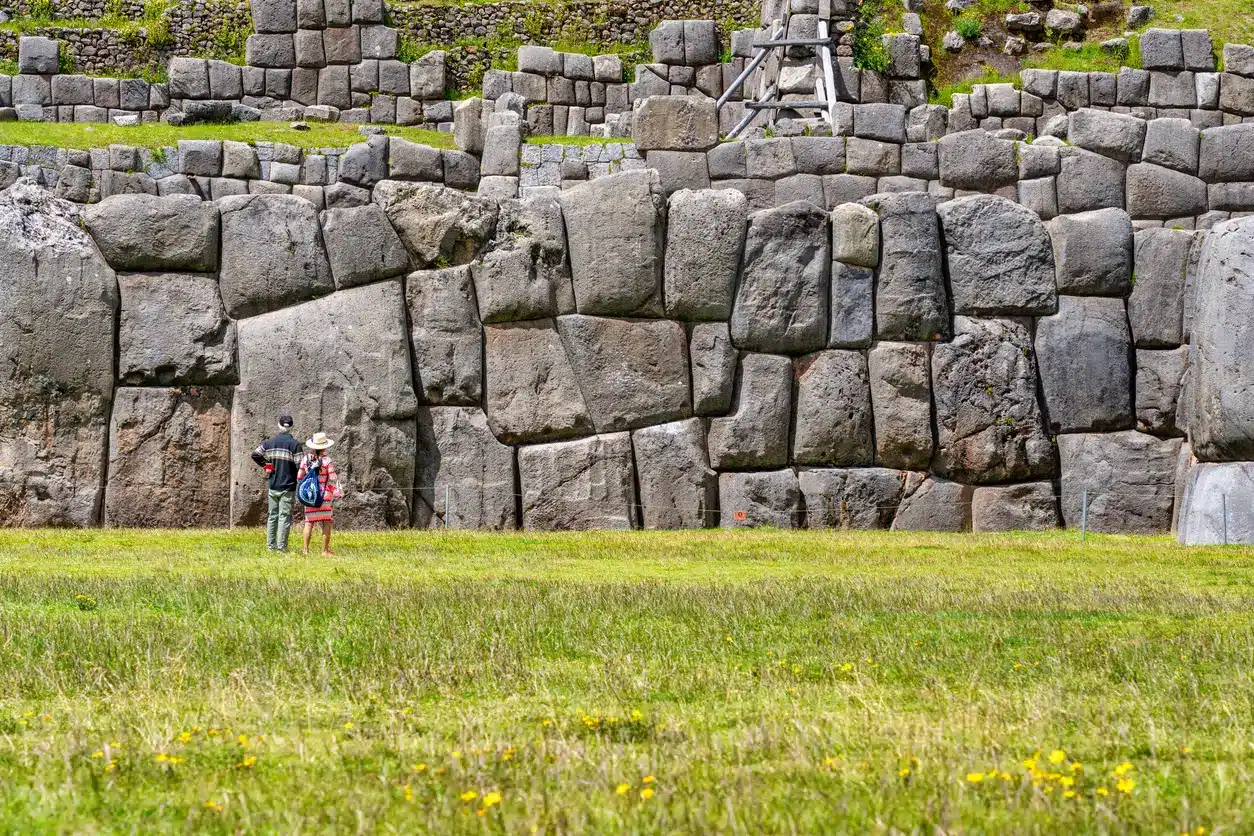
Inca architecture is particularly famous for its precisely fitted stonework, with massive blocks shaped to fit together without mortar. Many examples of this craftsmanship can still be seen in Cusco, where Inca walls stand alongside later buildings. These surviving walls offer travelers a direct glimpse of Inca building techniques and the city’s architectural history.
How The Chanca-Inca Conflict Shaped the Rise of the Inca Empire
The conflict between the Chancas and the Incas is traditionally remembered as a turning point in Inca history. Its importance is closely linked to Cusi Yupanqui, later known as Pachacuti, and the period of expansion associated with his rule. Although the conflict is remembered as an important moment in the rise of Inca power, the empire’s growth took place over several decades.
A New Direction for Inca Rule
The traditional story of the conflict presents the defense of Cusco as a moment that changed the course of Inca leadership. Cusi Yupanqui, later known as Pachacuti, emerged as a central figure in the story, and his subsequent reign became closely associated with the expansion of Inca power.
The victory did not turn the Incas into an empire overnight. Instead, it became part of the story of Pachacuti’s rise and the wider political and territorial changes that continued under him and his successors.
The Growth of Inca Military and Political Power
As the Inca Empire expanded, its rulers brought neighboring communities under their control through military campaigns and alliances. They also developed ways to govern these territories and organize the labor and resources needed to maintain their growing realm.
The Chanca conflict was one episode in this broader process of expansion. Although the traditional story presents it as a decisive victory, the growth of the empire involved many campaigns and political changes over time.
From Regional Kingdom to Andean Empire
Under Pachacuti and the rulers who followed him, Inca territory expanded across large parts of the Andes. The empire developed an extensive network of roads and administrative centers to help connect and govern its territories.
These connections helped the Incas manage a vast region that included mountains, valleys, and communities with different traditions. By the early 16th century, their empire stretched across much of the western Andes, encompassing a wide range of landscapes and peoples.
The Chanca conflict is traditionally placed near the beginning of this period of expansion, linking the defense of Cusco with the rise of Pachacuti and the growth of Inca power.
Why the Chanca–Inca Rivalry Still Matters to Peru’s Heritage
Peru’s history extends far beyond the rise of the Inca Empire. The story of the Chancas and the Incas offers a glimpse into the different peoples, rivalries, and political changes that shaped the Andes before the Spanish conquest. For travelers exploring Peru, understanding this history adds context to the places they visit and the cultural heritage they encounter.
It Highlights Peru’s Diverse Ancient Cultures
The Incas were not the only people who shaped the history of the Andes. The Chancas and other regional communities had their own identities and territories, reminding us that Peru’s ancient past was much more diverse than the Inca story alone.
Learning about the Chancas helps broaden our understanding of the societies that existed beyond Cusco and the Inca heartland. Their history is an important reminder that the Andes was home to many communities with their own experiences and political interests.
It Helps Explain the Rise of the Inca Empire
The traditional account of the conflict is closely associated with Pachacuti’s rise to power. Knowing this story adds context to the period when the Incas began expanding beyond their original territory around Cusco.
The conflict is traditionally remembered as an important moment in this expansion, although the growth of the empire involved many campaigns and political changes over time.
It Connects Historical Stories With Cusco’s Heritage
Cusco is known for its surviving Inca stonework, archaeological remains, and historic character. Understanding the history associated with the city’s rise as an Inca center adds another dimension to its cultural significance.
As you explore Cusco, its surviving Inca walls and historic sites offer a tangible connection to the civilization that once governed from the city. The story of the Chancas provides additional context for understanding the challenges and changes associated with the growth of Inca power.
It Preserves an Important Traditional Story
The account of the Chancas, Cusi Yupanqui, and the defense of Cusco has become part of the traditional narrative of Inca history. Although some details remain uncertain, the story offers insight into how the rise of Inca power has been remembered.
The story also illustrates how historical events and cultural traditions can become intertwined. The legend of the pururaucas, in which stones are said to have helped the Inca warriors, is one example of how the conflict has been remembered beyond the reported military victory itself.
It Encourages a Broader View of Peru’s Past
Learning about the Chancas encourages a wider perspective on Andean history. Rather than seeing the region only through the achievements of the Incas, it opens the door to learning about the other peoples who lived there and their place in Peru’s cultural heritage.
Understanding the Chanca–Inca rivalry is not about knowing every detail of an ancient battle. It is about seeing the rise of the Inca Empire within the wider history of the Andes, where different peoples, political struggles, and cultural traditions shaped the region. For travelers visiting Cusco and exploring Peru’s archaeological heritage, this story offers another way to appreciate the places they see and the many layers of history behind them.
Where to Explore Inca History in Peru
Exploring Peru’s Inca heritage is a chance to discover more than ancient ruins. From the historic streets of Cusco to the mountain setting of Machu Picchu, the region offers opportunities to see Inca architecture, learn about the civilization’s history, and experience the Andean landscapes in which it developed. These destinations provide a closer look at the achievements and cultural legacy of the Inca world.
Explore Cusco
Cusco is a natural starting point for exploring Inca history. Once the center of the Inca Empire, the city still has original Inca stonework alongside colonial buildings and modern streets. Walking through its historic center reveals how different periods of Peruvian history have shaped the city.
A guided city tour can introduce landmarks such as Qorikancha, the former Inca Temple of the Sun, and nearby archaeological sites. These visits help explain Cusco’s role as the political and religious center of the Inca state and reveal how Inca and colonial architecture coexist in the city today.
Visit the Sacred Valley
The Sacred Valley, near Cusco, is known for its archaeological sites, traditional Andean communities, and dramatic mountain scenery. It offers another perspective on Inca life beyond the imperial capital.
At Pisac, visitors can explore hillside ruins and agricultural terraces. Ollantaytambo is known for its impressive stone structures and terraces, as well as its historic settlement. Together, these sites show how the Incas built settlements and developed agricultural landscapes across the Andes. The valley also offers opportunities to experience local markets and the cultural traditions of Andean communities.
Discover Machu Picchu
Machu Picchu is one of Peru’s most recognizable landmarks and a highlight of many trips to the country. Set high in the Andes, the site features carefully fitted stone buildings, agricultural terraces, and views of the surrounding mountains.
Generally believed to have been built during the 15th century, Machu Picchu is often associated with Pachacuti’s reign. Exploring its terraces, ceremonial structures, and residential areas offers a glimpse into Inca architecture and the relationship between the built environment and the natural landscape.
The site is also a reminder of the Incas’ ability to construct an extensive settlement in a challenging mountain environment. Its buildings, terraces, and carefully planned layout make it one of the most distinctive places to experience Peru’s Inca heritage.
Explore Sacsayhuamán
Just outside Cusco, Sacsayhuamán is an impressive Inca archaeological site known for its massive stone walls. The enormous blocks fit together with remarkable precision, making the site one of the most striking examples of Inca stonework.
Walking among the remaining walls offers a closer look at the construction skills used by Inca builders. The site also provides broad views over Cusco, helping connect the surrounding landscape with the city’s history. Its scale and craftsmanship offer another perspective on the engineering and labor involved in building the Inca capital and its surrounding ceremonial and defensive structures.
Exploring these destinations brings different aspects of Inca heritage into view, from Cusco’s historic streets to the archaeological sites of the Sacred Valley and the mountain citadel of Machu Picchu. Each stop offers a different way to discover the civilization’s architecture, achievements, and connection to the Andean landscape.
For travelers looking to bring these experiences together, Inca Rail’s tours and packages offer options for exploring Machu Picchu and destinations around Cusco. Its train journeys add another memorable part to the adventure, carrying you through the spectacular scenery of the Sacred Valley on the way to Machu Picchu.
With ancient sites, mountain views, and fascinating cultural heritage along the way, exploring Peru can become a journey that connects history with the excitement of discovering somewhere new.
What Travelers Should Know Before Exploring Peru’s Inca Heritage
Exploring Peru’s Inca heritage is a chance to discover the country’s ancient history, remarkable architecture, and beautiful Andean landscapes. From the historic streets of Cusco to the archaeological sites of the Sacred Valley and Machu Picchu, each destination offers a different glimpse into the world of the Incas.
Before setting out, keep these travel tips in mind to make your experience more comfortable and enjoyable.
- Allow time to adjust to the altitude: Cusco sits about 3,400 meters (11,150 feet) above sea level, and some nearby destinations are even higher. Take it easy when you arrive and allow your body time to acclimatize before strenuous activities. Headaches, nausea, and dizziness can indicate altitude illness, so seek medical advice if symptoms develop or worsen.
- Wear comfortable walking shoes: Many archaeological sites have uneven stone paths, steep steps, and sloping terraces. Choose shoes with good grip to help you move comfortably across different surfaces.
- Prepare for changing weather: Weather in the Andes can shift throughout the day. Bring layers, sunscreen, a hat, and a waterproof jacket, particularly when visiting mountain destinations.
- Consider a guided tour: A local guide can explain the history behind important structures, point out architectural details, and share stories about Inca culture. At places such as Cusco and Machu Picchu, this added context can make the visit more engaging.
- Check entry requirements in advance: Machu Picchu has designated entry times, visitor circuits, and ticket requirements. Check the official Machu Picchu website before your trip, and book ahead when possible, especially during busy travel periods.
- Respect archaeological sites: Follow marked routes, observe posted rules, and avoid climbing on restricted structures or removing stones and other objects. These places are an important part of Peru’s cultural heritage and deserve protection.
- Carry water and daily essentials: Bring drinking water, sunscreen, a hat, and any personal items you’ll need throughout the day. Some archaeological sites involve considerable walking, and facilities may be limited in certain areas.
Exploring Peru’s Inca heritage brings history and landscape together, from the ancient stone walls of Cusco to the terraces of the Sacred Valley and the mountain setting of Machu Picchu. Take your time, look beyond the famous landmarks, and appreciate the craftsmanship and cultural traditions that make each place distinctive.
With a little preparation, your journey through Peru can become a memorable adventure filled with remarkable scenery, fascinating history, and a deeper appreciation of the Andes.
Frequently Asked Questions
In this section, you’ll find answers to common questions about the Chancas and the Incas, including their origins, language, and differences, as well as the Chanka–Inca conflict and Pachacuti’s role.
Were the Chancas and Incas ethnically the same people?
The Chancas and the Incas were distinct Andean peoples with their own territories and political identities. The Chanka people were associated mainly with the area around present-day Andahuaylas in Peru, while the Incas built their power around Cusco. Both shared aspects of the wider Andean cultural world, but they were not the same political group.
Who won the war between the Chancas and the Incas?
The Incas are traditionally said to have defeated the Chancas in a conflict associated with the defense of Cusco around 1438. The victory is closely linked to Cusi Yupanqui, who later became known as Pachacuti. Although the main story is well known, some details of the conflict remain uncertain because the surviving accounts differ.
Who was the Sapa Inca during the Chanka–Inca conflict, and how did the leadership crisis unfold?
Viracocha Inca was the reigning Sapa Inca, a title meaning the supreme ruler of the Inca state, when the Chanca threat emerged. Traditional accounts say that he withdrew from Cusco with some members of his family, while his son Cusi Yupanqui remained to defend the city. Cusi Yupanqui’s victory and rise to power are closely associated with his later name, Pachacuti.
Who was Pachacuti, and what role did he play in the Chanka–Inca war?
Pachacuti was an Inca ruler who is traditionally remembered as Cusi Yupanqui before taking the name Pachacuti. He is credited with leading the defense of Cusco against the Chancas and later expanding Inca power across the Andes. His rise is an important part of the traditional story of how the Inca kingdom grew into an empire.
Who was Inca Urco, and what role did he play in the events leading to the Chanka–Inca war?
Inca Urco was a son of Viracocha Inca and is described in some historical accounts as his intended successor. In the traditional story of the Chanka–Inca conflict, Urco left Cusco with his father as the Chancas approached, while Cusi Yupanqui stayed to organize its defense. The details of Urco’s role vary between accounts, but his place in the story highlights the leadership crisis surrounding the conflict.
What types of Inca weaponry did Inca warriors use in battle?
Inca weaponry included slings, spears, clubs, stone or bronze-headed weapons, and axes. Warriors also used shields and protective clothing, with equipment varying according to the type of fighter and the battle. These weapons reflect the military technology used across the Andes during the period of Inca expansion, although the exact equipment used in the Chanka–Inca conflict is not fully documented.
What role did Inca nobles play during the war between the Chancas and the Incas?
Inca nobles held important political and military positions and could help organize warriors and support the ruler. In the traditional story of the Chanka–Inca war, some leaders withdrew with Viracocha Inca, while other supporters helped Cusi Yupanqui defend Cusco. The surviving accounts differ on some details, so it is difficult to establish the exact role of every noble involved.
Final Thoughts
The story of the Chancas and the Incas offers a glimpse into the struggles and changes that shaped ancient Peru. While the Incas are best known for building a vast empire, the Chancas were also an important part of the Andean world. Their rivalry, traditionally linked to the defense of Cusco, remains a memorable part of the story of Pachacuti’s rise and the expansion of Inca power.
Understanding this conflict also helps put Peru’s history into a wider perspective. The Andes was home to many different communities, each with its own territory, traditions, and political interests. Learning about the Chancas alongside the Incas gives travelers a broader appreciation of Peru’s cultural heritage and the stories behind its famous archaeological sites.
For travelers, exploring Cusco, the Sacred Valley, and Machu Picchu is a chance to see Inca architecture up close and enjoy the spectacular scenery of the Andes. From ancient stone walls to mountain terraces, these destinations offer a memorable way to experience Peru’s history and landscapes.
Ready to begin your Peruvian adventure? Inca Rail can help make your visit to Machu Picchu part of the experience. Discover Inca Rail’s train journeys to enjoy the scenic route through the Sacred Valley. You can also explore Inca Rail’s tour packages to find an option for your visit to Machu Picchu and plan an adventure through one of Peru’s most remarkable landscapes.