
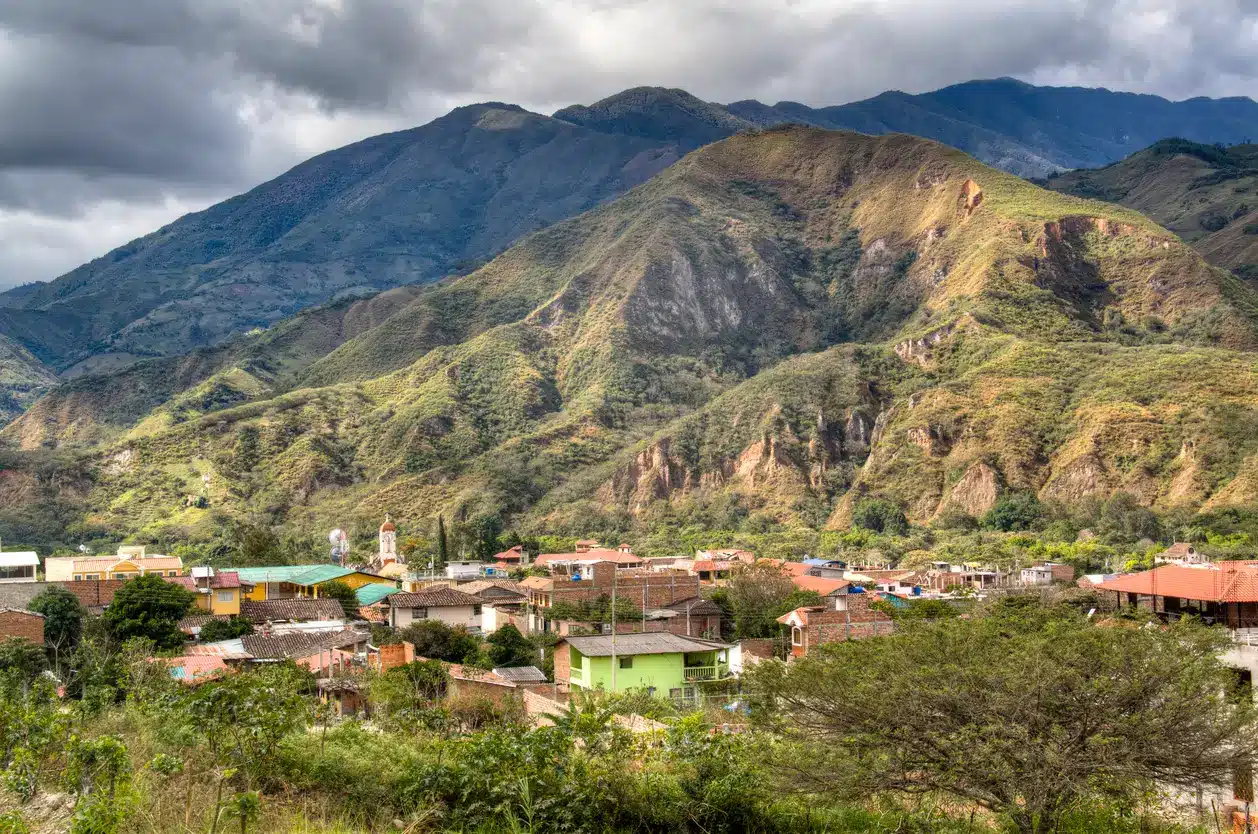
Vilcabamba Peru Travel Guide: The Final Refuge of the Incas and Its Top Attractions
Vilcabamba doesn’t get as much attention as Cusco or Machu Picchu, but ask anyone who’s into Inca history, and they’ll tell you—it’s one of the most fascinating places in Peru. Tucked deep in the Andean jungle, this region was once the final stronghold of the Inca Empire. Long after the Spanish took Cusco and declared victory, the Incas weren’t finished. They regrouped, retreated, and continued their fight from here, in the rugged and remote territory now known as Vilcabamba.
Vilcabamba became known as “The Last Refuge of the Incas” for a reason. Manco Inca Yupanqui, one of the last Inca emperors, led a rebellion and moved his court into this hidden valley. For nearly 40 years, his descendants ruled from Vilcabamba in secrecy, creating a shadow empire away from colonial rule. The Spanish didn’t even find it until decades later. Today, you can visit the ruins of Espíritu Pampa, which many scholars now believe to be the actual site of Vilcabamba, and the real Lost City of the Incas—quiet, wild, and far removed from tourist crowds.
There’s something about Vilcabamba that feels different. Maybe it’s the jungle trails that twist through forgotten paths. Or the silence that hangs over ancient stones where the last Inca kings once stood. It’s not just another stop on a tourist circuit—it’s a journey into the very edge of Inca resistance. In this travel guide, you’ll find everything you need to know before making the trip—from its powerful history to the top attractions that make Vilcabamba a must-see for anyone looking to connect with the deeper roots of Peru.
What will you find here?
- The Untold Story of Vilcabamba: The Last Stronghold of the Inca Empire
- Vilcabamba Location Guide: Finding the Last Inca Capital
- What to See in Vilcabamba, Peru
- What to Do in Vilcabamba, Peru
- Key Travel Details You Need to Know When Visiting Vilcabamba, Peru
- Keep Exploring: Where to Go After Vilcabamba
- Frequently Asked Questions
- Final Thoughts
The Untold Story of Vilcabamba: The Last Stronghold of the Inca Empire
Most people know about Machu Picchu, but few have heard of Vilcabamba—the true final refuge of the Inca Empire. After the Spanish conquest, the Incas didn’t disappear overnight. They retreated deep into the Andes, where they resisted for decades from a hidden stronghold: Vilcabamba.
This forgotten capital tells a story of resistance and survival. From its role as the last seat of Inca power to its rediscovery centuries later, Vilcabamba holds a chapter of history that’s rarely told—but it deserves to be.
The Inca Resistance
After the Spanish captured Cusco in 1533, the heart of the Inca Empire fell—but the Inca resistance was far from over. In 1537, Manco Inca Yupanqui and his followers initially retreated to Ollantaytambo, and later to the Vilcabamba region, establishing a new capital around 1539, in a remote jungle area of modern-day Peru.
More than just a retreat, Vilcabamba became the center of organized resistance. Hidden in thick jungle and rugged terrain, it allowed the Incas to regroup, plan guerrilla warfare, and preserve their culture away from colonial reach. The resistance was both military and symbolic—an effort to protect their identity under the pressure of foreign domination.
Manco Inca was succeeded by his sons, including Titu Cusi Yupanqui and later Túpac Amaru I, who continued the resistance for nearly four decades. But in 1572, the Spanish finally invaded Vilcabamba. Túpac Amaru was captured and executed in Cusco, marking the fall of the Neo-Inca State—the last remnant of the Inca Empire.
Even after its fall, the legacy of Vilcabamba endures as a symbol of resilience. It’s not just a historical site—it’s a reminder of the Inca spirit that refused to surrender.
Vilcabamba as the Last Inca Capital
Known as the Last Inca Capital, Vilcabamba was more than a geographic relocation—it was a calculated move to maintain independence. Surrounded by mountains and jungle, it offered natural defenses that delayed Spanish intrusion for decades.
From here, Inca rulers coordinated guerrilla campaigns while trying to negotiate peace on their own terms. Despite their isolation, the leadership of Manco Inca and later his son Titu Cusi, followed by Túpac Amaru I, inspired ongoing resistance among their people.
When Vilcabamba was finally captured in 1572, the last Inca state was absorbed into the Spanish Empire—but the cultural and symbolic significance of their fight continues to resonate.
Rediscovery in Modern Times
For centuries, the location of Vilcabamba was lost. Locals knew of ruins deep in the jungle, but their connection to the last Inca capital wasn’t confirmed until much later. In the early 1900s, Hiram Bingham searched for Vilcabamba but stumbled upon Machu Picchu, which he mistakenly believed to be the “Lost City of the Incas.”
It wasn’t until the 1960s and 1970s that explorers like Gene Savoy and others confirmed that the real Vilcabamba was at Espíritu Pampa, deep in the jungle of La Convención Province. Unlike the well-preserved stonework of Machu Picchu, Espíritu Pampa was overgrown and heavily looted, but archaeological findings confirmed it as the final stronghold of the Inca.
Today, Espíritu Pampa is recognized as the true site of Vilcabamba—a quiet but powerful reminder of Inca defiance, deep in the Peruvian jungle. For anyone passionate about history, it offers a compelling and lesser-known glimpse into a story of courage, resistance, and survival.
Vilcabamba Location Guide: Finding the Last Inca Capital
Deep in the tropical forests of Peru lies a site that played a key role in Inca history—Espíritu Pampa, the final refuge of the Incas and the true location of Vilcabamba, the last capital of the Neo-Inca State. Situated in the La Convención Province of the Cusco Region, this archaeological site is far removed from popular tourist destinations like Machu Picchu or the Sacred Valley.
The journey to Espíritu Pampa is not easy—and that’s precisely why the Incas chose it. Surrounded by dense rainforest, steep valleys, and rugged mountain terrain, this hidden area offered natural protection from Spanish invasion. The climate here is hot, humid, and jungle-like—very different from the cool, dry air of highland Inca cities. What you’ll find at the site is not monumental architecture but weathered foundations, modest stone walls, and scattered artifacts slowly reclaimed by nature.
Because of its remote location, Espíritu Pampa remained largely unknown to outsiders for centuries. While Machu Picchu was mistakenly believed to be the “Lost City of the Incas” when Hiram Bingham discovered it in 1911, it wasn’t until the 1960s that explorers like Gene Savoy confirmed Espíritu Pampa as the true site of Vilcabamba. Today, it remains one of Peru’s most historically rich yet least visited Inca sites.
What to See in Vilcabamba, Peru
Vilcabamba, Peru, is a remarkable destination filled with historical significance and breathtaking natural beauty that fascinates everyone who comes. This remote area, often overshadowed by the famous tourist hubs of Cusco and Machu Picchu, offers a variety of one-of-a-kind experiences for visitors seeking a more off-the-beaten-path adventure. Known as the final refuge of the Incas, Vilcabamba is rich in cultural heritage and surrounded by stunning landscapes.
Whether you’re drawn to ancient ruins, lush jungles, or breathtaking mountain trails, Vilcabamba has something for everyone. Let’s dive into some must-see spots in this enchanting region:
Espíritu Pampa Ruins
First up, Espíritu Pampa Ruins is an absolute must-see. Often dubbed the “real” last city of the Incas, these ruins tell tales of Inca resistance and mystique. It’s a site that’s not as crowded as Machu Picchu, offering a calming vibe and a chance to explore Inca history in peace.
Moreover, the journey to Espíritu Pampa is as exciting as the ruins themselves. The trek takes you through breathtaking landscapes, where dense jungles gradually give way to fascinating archaeological pieces. History buffs and nature lovers alike find this expedition intriguing.
Vitcos and Ñusta Hisp’ana
Vitcos and Ñusta Hisp’ana are two sites that offer glimpses into Peru’s rich past. Vitcos, once a significant Inca site, showcases impressive stonework and structures. The site features a fascinating array of carved rocks and is known for its ceremonial platforms.
Just a short distance away, you’ll find Ñusta Hisp’ana, also known as the White Rock. Intricate carvings on this massive rock draw attention, and visitors can learn about the site’s role in Inca ceremonies. Ñusta Hisp’ana is believed to have held spiritual importance, possibly linked to sun worship and water rituals. Both sites provide an insightful look into Inca culture.
Vilcabamba Mountain Range
For those who love the great outdoors, the Vilcabamba Mountain Range is a paradise. It provides stunning vistas, with towering peaks and sweeping valleys that offer countless opportunities for hiking and exploration.
The trails here vary in difficulty, making it a suitable adventure for casual walkers and seasoned trekkers. As you wander, you might encounter diverse wildlife, adding even more magic to the experience. It’s pure nature at its finest.
Puncuyoc Ruins
Puncuyoc Ruins often fly under the radar, yet they hold so much charm. Enveloped by dense foliage, these ruins provide a quieter and more intimate experience with Peru’s ancient history. The ruins themselves may be lesser-known, but they are no less intriguing.
Getting to Puncuyoc involves a challenging hike, rewarding adventurers with sweeping views and vivid landscapes. The solitude and untouched feel of this site make it a hidden gem that’s truly worth discovering.
Jungle Trails
Jungle Trails in Vilcabamba are perfect for the thrill-seeker. Winding through the lush greenery, these trails lead you into the heart of the jungle. It’s an inviting way to see Peru’s diverse ecosystem up close.
While traversing these trails, keep an eye out for unique plants and exotic wildlife. From vibrant birds to hidden waterfalls, every turn can bring a new delight. This is nature at its most raw and awe-inspiring.
Cloud Forest
The Cloud Forest in Vilcabamba is another can’t-miss attraction. Known for its misty atmosphere, this area provides a magical backdrop for hiking and exploration. The constant interplay of light and fog creates an ethereal experience that amazes every visitor.
Moreover, the biodiversity here is astounding. It’s home to many different species of plants and animals, making it a haven for biologists and enthusiasts. Exploring these forests offers a peek into an ecosystem teeming with life. Birdwatchers may spot species like the Andean cock-of-the-rock or various hummingbirds unique to the region.
Waterfalls and Rivers
Finally, the region’s waterfalls and rivers offer moments of tranquility and stunning natural beauty. With crystal-clear waters cascading down sheer rock faces, these waterfalls are perfect for escaping the hustle and bustle of everyday life.
Furthermore, the rivers in Vilcabamba can be explored by kayak or raft, providing adventure-seekers with exciting water-based activities. Whether you’re soaking in the scenery or diving into an adrenaline-packed day, there’s something for all at Vilcabamba’s waters.
So, whether you’re interested in history, nature, or adventure, Vilcabamba, Peru, presents a bit of everything, wrapped in an air of intrigue and beauty.
What to Do in Vilcabamba, Peru
Vilcabamba is a quiet and beautiful place, perfect for travelers who want to get away from busy cities and enjoy nature. This area is known for its peaceful landscapes, friendly local culture, and lots of outdoor activities. If you’re looking for a calm and real experience away from the usual tourist spots, Vilcabamba has plenty to offer.
Let’s explore the best activities to do in Vilcabamba:
Disconnect and Experience True Remoteness
First and foremost, Vilcabamba is all about peace and unplugging from the bustling world. In this hidden paradise, escaping the digital world becomes effortless. Enjoy the soothing sounds of nature, feel the cool breeze, and immerse yourself in the tranquility that surrounds you. Here, smartphones take a backseat, replaced by the simple pleasures of nature.
Moreover, the remoteness of Vilcabamba gives you a fresh perspective on life. Without the distractions of technology, you develop a deeper appreciation for the little things. In essence, this disconnect is rejuvenating and offers a rare opportunity to live stress-free, if only for a little while.
Photograph Rare Landscapes and Ruins
Vilcabamba’s landscapes are truly unique—they beg to be captured through a lens. From sweeping mountain vistas to hidden Inca ruins, there’s no shortage of photographic opportunities. Every snapshot becomes a treasured memory of an incredible journey.
Additionally, the area is a playground for history buffs and photography enthusiasts alike. Ancient temples and structures remind everyone of the once-great Inca civilization that thrived here. While the ruins near Vilcabamba are less famous than Machu Picchu, they are significant and offer a quieter experience. Breathtaking and inspiring, these sites provide a visual feast that transports you back in time.
Swim in Jungle Rivers and Waterfalls
With rivers and waterfalls dotting the jungles, cooling off offers a thrilling adventure. The pristine waters invite you to dive in and refresh amidst the tropical heat. Surrounded by lush greenery, these natural pools become a personal paradise.
Furthermore, splashing around these secluded spots feels like an exhilarating escape. Perfect for a day of relaxation or playfulness, swimming in jungle rivers and waterfalls is a must-do. It’s the perfect recipe for happiness.
Birdwatching and Wildlife Spotting
For wildlife lovers, Vilcabamba is a haven. It’s home to diverse and colorful bird species that captivate observers. Walk through the forests, and you’re likely to spot magnificent creatures at every turn.
Besides birds, the area boasts diverse flora and fauna, offering sightings of fascinating wildlife. Embarking on a trek provides ample opportunities to witness nature’s wonders. Notable species include the Andean cock-of-the-rock, toucans, and many hummingbird species. Every glimpse reinforces the incredible biodiversity found in this region.
Hike Through the Vilcabamba Mountains
Lace up your boots to discover Vilcabamba’s mountainous terrain. Meandering trails lead you through stunning vistas and incredible landscapes. The sense of accomplishment at the summit is unmatched.
Then again, hiking in Vilcabamba is more than just exercise; it’s soul-nourishing. The views change with every turn, each more breathtaking than before. These hikes are a reminder of nature’s vast beauty.
Camp Under the Stars
Spending a night under the clear skies of Vilcabamba is magical. The sparkling stars seem closer here, creating a magnificent stargazing experience. A night around a campfire loses its charm in the city.
Lastly, camping under the Vilcabamba sky offers peace and reflection. As you drift into sleep, the gentle sounds of nature cradle you. It’s serene, unforgettable, and something everyone should experience at least once.
No matter what you enjoy—whether it’s hiking, wildlife watching, or just relaxing in nature—Vilcabamba is a great place to visit. It’s a peaceful spot where you can take your time, have fun, and enjoy the simple beauty of the place.
Key Travel Details You Need to Know When Visiting Vilcabamba, Peru
Planning a trip to Vilcabamba, Peru? This remote and historically rich region—once the last stronghold of the Inca Empire—offers an unforgettable mix of ancient ruins, jungle treks, and Andean wilderness. However, due to its isolation and rugged terrain, visiting Vilcabamba requires careful preparation.
Here are the key travel details you need to know before you go:
Best Time to Visit
Vilcabamba is lovely throughout the year, but certain months may offer a little more for travelers seeking ideal conditions. Generally, the best time to visit Vilcabamba is from June to September. This period is considered the dry season, creating perfect conditions for activities like hiking and exploration, free from rainy interruptions. It’s also worth noting that during this time, the landscapes are usually lush and green, providing breathtaking views.
On the other hand, the rainy season lasts from October to May. While rainfall can be heavy, the showers often give the area a fresher and cooler ambiance. Additionally, the wet season means fewer tourists, which can translate into a more peaceful travel experience. Just remember, if you visit during this period, a raincoat or umbrella would be handy.
Weather & Climate
Vilcabamba is blessed with a mild subtropical climate, which makes it relatively comfortable for visitors all year round. On average, temperatures sit in a pleasant range, hovering between 68°F (20°C) and 77°F (25°C). Such mild conditions mean you can pack light while keeping an umbrella for surprise rain showers.
Moreover, nights can be a bit cooler, especially if you’re heading into higher altitudes or planning nights outdoors. So, bringing a light jacket ensures you’re prepared for any chills. Also, even though the sun can be intense during the day, cooler winds often balance it out. That said, sunscreen is always a good idea.
Connectivity & Communication
While Vilcabamba may feel removed from the hustle and bustle, staying connected isn’t as challenging as one might think. Many accommodations offer Wi-Fi, ensuring you can surf the web or check emails without much hassle. SIM cards are not directly available in Vilcabamba, but you can get one in Cusco or nearby towns like Santa Teresa, and getting one means you can enjoy reliable mobile service during your travels.
Furthermore, while English is not widely spoken, learning a few basic Spanish phrases can be helpful. Engaging with locals in their language often leads to more meaningful interactions. Plus, having a translation app can be handy, especially if you find yourself in a pinch.
Costs & Currency
Peru uses the Peruvian sol (PEN). Overall, Vilcabamba is easy on the wallet compared to other tourist destinations. Accommodation, food, and transport are generally affordable, allowing a worry-free stay when it comes to managing expenses.
Despite these cost advantages, it’s a good idea to carry cash, as card payments aren’t accepted everywhere. ATMs are available in larger towns such as Santa Teresa or Quillabamba, but it’s a good practice to have small bills ready for smaller shops or markets. With careful planning, you’ll find your budget stretches further than expected.
Trekking Conditions
Vilcabamba is a trekker’s dream. The trails range from simple walks to challenging hikes. Before setting out, check trail conditions or hire a local guide with insights. These precautions ensure a safer and more enriching trekking experience. In the dry season, the paths are more accessible, offering better footing and visibility that boosts safety and enjoyment.
In the wet season, trails can become muddy and slippery, posing potential challenges. Appropriate footwear becomes crucial. With sturdy boots, you’re more prepared. Additionally, the rain can transform the landscapes, making them even more beautiful, but equally, it’s important to stay mindful of weather changes. Keeping a rain jacket handy is a good idea, regardless of the season.
Local Customs & Etiquette
Visiting Vilcabamba means stepping into a region where traditional Andean culture is still very much alive. Showing respect for local ways of life is not just polite—it also enriches your travel experience.
- Greet people respectfully – Use a simple “Buenos días” or “Allin punchaw” (Quechua for good day).
- Ask before taking photos – Especially of people, ceremonies, or homes.
- Dress modestly – Even while hiking, try to cover your shoulders and knees in villages.
- Support local economies – Buy handmade crafts or food directly from local families when possible.
- Be humble and curious – Showing interest in local life is welcomed, but avoid treating communities like attractions.
- Use both hands when giving/receiving – It’s seen as more respectful in Andean culture.
- Avoid excessive bargaining – Prices are often fair and reflect real labor and cost.
What to Pack
Traveling to Vilcabamba involves a mix of high-altitude trekking, humid jungle conditions, and basic infrastructure. Packing smart is essential, especially if you’re heading to Espíritu Pampa or other remote ruins. Here are the packing essentials:
- Sturdy hiking boots – Waterproof and well-broken-in
- Light rain jacket – Sudden showers are common, especially in the cloud forest and jungle areas
- Layered clothing – For chilly mornings and hot afternoons (base layer, fleece, breathable tops)
- Hat and sun protection – Strong sun exposure at altitude
- Insect repellent – Especially for jungle areas (look for DEET or natural alternatives)
- Flashlight or headlamp – Power outages and remote camping spots are common
- Small first-aid kit – Include altitude meds, bandages, antiseptic, etc.
- Snacks and energy bars – For long treks with few resupply points
- Dry bags or ziplocks – Protect electronics and clothes from rain and humidity
- Cash in small bills – ATMs are rare or unavailable in remote areas
Keep Exploring: Where to Go After Vilcabamba
After diving into the rich history and jungle ruins of Vilcabamba, you might be wondering, “What’s next?” Peru is packed with more gems that are ideal for anyone interested in Inca history, breathtaking mountain landscapes, and vibrant culture. These next spots will round out your trip and give you a deeper appreciation of the Andes and the Sacred Valley:
1. Cusco
Start with Cusco—most travelers do. It’s the hub for exploring this entire region. After the quiet remoteness of Vilcabamba, Cusco’s lively atmosphere feels refreshing. The city’s streets tell a story with their blend of Inca stonework and Spanish-style buildings. Plus, the food is something to write home about, not to mention the bustling markets and informative museums. It’s also the gateway for numerous treks and local tours.
2. Ollantaytambo
From Cusco, head to Ollantaytambo. It’s a small town that features enduring Inca stonework along its streets. The fortress ruins are stunning, offering panoramic views of the entire valley. While many travelers use this as a pit stop on the way to Machu Picchu, even a brief stroll here leaves a lasting impression. It’s one of those places where ancient and modern life really share the space.
3. Sacred Valley
Ollantaytambo offers just a glimpse into the Sacred Valley’s charm. Pisac, for example, is famous for its terraced hillsides and lively artisan market. Then there’s Moray, with its intriguing circular terraces, and Maras, which boasts impressive salt pools. This cluster of destinations is conveniently close together, so you can discover them on a day trip from Cusco or as you journey to Machu Picchu.
4. Machu Picchu
This one’s obvious—no trip to Peru feels complete without it. Machu Picchu is everything you’ve heard and more. It’s not just the site itself that’s unforgettable—the journey there is just as thrilling. Catch a train from Cusco or Ollantaytambo, and let the ride add to the experience. The route follows the Urubamba River through the Sacred Valley, offering captivating views all the way. It’s a scenic and relaxing alternative you’ll appreciate after all your exploring.
5. Choquequirao
If you’re in the mood for a challenge, why not trek to Choquequirao? This site is as large as Machu Picchu but significantly less crowded—a perfect choice for avid hikers. The ruins are sprawled over a mountain ridge, untouched and wild. Though it requires a multi-day hike, reaching Choquequirao is a rewarding quest for those seeking untamed places.
This entire region connects well, which makes planning simple. Start in Cusco, head through the Sacred Valley, stop in Ollantaytambo, and catch the train to Machu Picchu. If you’re feeling adventurous, you can swap Machu Picchu for Choquequirao or even do both. The train service between Cusco and Ollantaytambo to Machu Picchu is reliable and scenic, so you won’t miss the fun if you’re skipping long hikes.
With so many places close by, exploring beyond Vilcabamba is easy—and it keeps the adventure going without the stress.
Frequently Asked Questions
Planning a trip to Vilcabamba usually comes with a few questions—and that’s totally normal. It’s a remote place, not as widely visited as other Inca sites, so it’s helpful to know what to expect before you go.
Is Vilcabamba suitable for first-time visitors to Peru?
Yes, Vilcabamba can be an intriguing destination for first-time visitors to Peru who are interested in history and nature. It offers a unique glimpse into ancient Incan cultures and stunning natural landscapes. However, it might not be as well-known as places like Machu Picchu, so extra planning and research are recommended to ensure a smooth experience.
How physically demanding is the trip to Vilcabamba?
The trip to Vilcabamba can be moderately challenging, especially for those not accustomed to hiking or trekking at high altitudes. The trails involve some steep and uneven terrain, requiring a reasonable level of fitness. It’s advisable to acclimate to Peru’s altitude before embarking on the trek.
What is the condition of the road to Vilcabamba?
The road to Vilcabamba is generally in decent condition, but it can vary depending on the weather and maintenance. Some parts may be unpaved or rugged, making travel during the rainy season more challenging. A four-wheel-drive vehicle might be beneficial if you plan to drive.
What are the best spots for photography in Vilcabamba?
Vilcabamba offers many breathtaking spots for photography, including its beautiful mountain landscapes and ancient Incan ruins. The area around the Vilcabamba Valley provides stunning panoramic views. Sunrise and sunset are particularly good times for capturing dramatic lighting in your photos.
Is it safe to visit during the rainy season?
Visiting Vilcabamba during the rainy season can be less predictable due to potential road and trail conditions. Rain can make some paths slippery and increase the risk of landslides. While it’s not necessarily unsafe, extra caution and preparation are recommended if traveling during this period.
Is it better to go on a tour or independently?
Choosing between a tour and independent travel to Vilcabamba depends on your personal preferences and experience. Tours can provide convenience and local insights and reduce the logistical challenges of travel. Independent travel offers more flexibility and personalized experiences but requires thorough planning.
Can I visit Vilcabamba on a day trip?
While it’s technically possible to visit Vilcabamba on a day trip from nearby locations, travel distances and road conditions often make it challenging to do so comfortably. Spending the night lets you enjoy a more leisurely experience and take in the area’s beauty at your own pace.
Is it possible to combine Sacred Valley, Vilcabamba, and Machu Picchu in one trip?
Yes, it is possible to combine the Sacred Valley, Vilcabamba, and Machu Picchu in one trip, but this needs careful planning due to the distances involved. It may take several days to appreciate each location fully. Organizing travel logistics and timing is key to making this combined trip enjoyable and manageable.
Final Thoughts
Visiting Vilcabamba, Peru, isn’t just another trip—it’s a real journey into the last stronghold of the Inca Empire. This out-of-the-way spot in the Andes is full of ancient cities, jungle-clad ruins, and wild landscapes few visitors ever get to explore. It’s a slice of history that isn’t polished or crowded, and that’s exactly its charm. If you’re looking to dive deeper into Peru’s real history, far from the usual tourist stops, Vilcabamba is the place to be.
Sites like Espíritu Pampa, Vitcos, and Ñusta Hisp’ana whisper tales that have been hidden away by the forest and time itself. Walking these trails means retracing the steps of Inca messengers and resistance fighters. Amongst the ancient stone ruins, misty paths, and the quietude of the Andes, there’s an undeniable magic in the air. It’s the kind of experience that imprints itself in your memory long after you’ve left.
Vilcabamba isn’t always easy to reach, but it’s definitely worth it. And once you’ve set foot in this remarkable location, you’ll quickly see why it’s one of Peru’s most cherished secrets. Not many places feel as untouched, and even fewer have such a deep connection to history. If you’re looking for something real, this is it.
Now, the good news is that the adventure doesn’t have to end there. You can link your visit to Vilcabamba with other must-see places in southern Peru. Many folks carve out a route through Cusco, wander through the Sacred Valley, pause at Ollantaytambo, and head to the iconic Machu Picchu. While Vilcabamba is more remote and less visited, it can be part of a longer southern Peru itinerary that includes these highlights. That’s where Inca Rail can help with the Sacred Valley portion of your journey.
Our trains offer a scenic, comfortable ride through the valley—letting you relax, recharge, and enjoy the views. It’s all about combining everything into one unforgettable Peruvian adventure. Ready to start planning your Peru adventure? Let Inca Rail take you through the Sacred Valley in comfort and style—straight to Machu Picchu and beyond.


