What to Expect at the Huaca Pucllana Site Museum: Inside the Ancient Peruvian Pyramid in Lima
Are you thinking about visiting the Huaca Pucllana Site Museum in Lima? This ancient pyramid is one of Peru’s most exciting historical places. It sits right in the district of Miraflores, a busy and colorful part of the city known for its great food, shops, and ocean views. One thing is for sure: Huaca Pucllana is much more than just old bricks. It gives us a real look at how people lived more than 1,500 years ago in the pre-Columbian Lima culture.
The pyramid is pretty big—about 22 meters tall—and made from adobe, which is like sun-dried clay bricks. Long ago, it was a special place where people held important ceremonies and gatherings. When you walk around the site and visit the museum nearby, you’ll find pottery, tools, and other objects that tell the story of the people who built and used the pyramid. It’s like stepping into the past and discovering a world very different from our own.
So why should Huaca Pucllana be on your list when visiting Lima? Because it’s a place that helps you understand Peru’s rich history and how early communities lived, worked, and celebrated. The museum does a great job showing how the site changed over time and what life was like back then. It’s a perfect stop for anyone curious about ancient cultures and history. Keep reading to learn more about why this site continues to capture the attention of visitors from around the world.
What will you find here?
- Huaca Pucllana Location: What You Need to Know Before You Go
- Historical Background of the Huaca Pucllana Site Museum
- What to See Inside the Huaca Pucllana Site Museum
- Hidden Highlights You Might Miss When Visiting the Huaca Pucllana Site Museum
- One Last Stop at Huaca Pucllana: The Dining Experience
- What You Need to Know Before Visiting Huaca Pucllana Site Museum
- Plan Smart: Travel Tips for Exploring Huaca Pucllana Site Museum
- Huaca Pucllana Site Museum and Beyond: Other Attractions to Explore
- Frequently Asked Questions
- Final Thoughts on Visiting the Huaca Pucllana Site Museum
Huaca Pucllana Location: What You Need to Know Before You Go
Visiting the Huaca Pucllana Site Museum is a really nice plan if you want to learn more about ancient Peru. There is no doubt that it’s an important spot in Lima’s history. But before you go, it’s good to know exactly where it is and how to get there. That way, your trip will be smooth and easy.
Where Is Huaca Pucllana Located?
The Huaca Pucllana Site Museum sits in the Miraflores district of Lima, one of the city’s most popular neighborhoods. This area is full of life, with parks, shops, cafes, and beautiful ocean views just a short distance away. Miraflores is known for being safe and easy to explore on foot. The pyramid is right in the middle of this vibrant district, making it very easy to add to your travel plans.
How Close Is It to Popular Areas?
If you’re staying near Kennedy Park, a famous spot in Miraflores, Huaca Pucllana is just about a 10 to 15-minute walk away. That means you can visit the pyramid and still have time to enjoy nearby restaurants or the coastline. It’s also not far from other well-known parts of Lima, like Barranco, a creative neighborhood full of art and nightlife. One thing is clear: Huaca Pucllana’s location makes it a great place to visit for anyone checking out the best parts of Lima.
Getting There
There are a few ways to get to the museum. Walking is a great choice if you are nearby, as it lets you see the neighborhood up close. For longer distances, taxis or ride services like Uber and Cabify are easy to find in Lima and will take you straight to the site. Public buses also run through Miraflores, and you can get off within a few blocks of the pyramid, but be aware that bus routes and stops may vary. Either way, the site is well-connected and easy to reach from most parts of the city.
Knowing where the Huaca Pucllana Site Museum is and how to get there helps you make the most of your visit. Keep this info handy as you plan your trip, and get ready to explore one of Lima’s most interesting ancient sites.
Historical Background of the Huaca Pucllana Site Museum
Before you visit, it’s important to know a little about the historical background of the Huaca Pucllana Site Museum. Understanding its past helps you appreciate why this ancient pyramid is so special and what it reveals about the people who built it.
Purpose of Huaca Pucllana Site Museum
Huaca Pucllana was primarily a ceremonial and administrative center for the Lima culture, which thrived roughly between 200 and 700 AD. The site was used for important religious ceremonies and gatherings. People would come together to worship deities, particularly a sea deity associated with the coastal environment.
The rituals were an essential part of the culture, shaping their spiritual life and community bonds. The site was not just for worship; leaders also managed political affairs and economic matters here. People made decisions and organized community projects.
Architecture of Huaca Pucllana
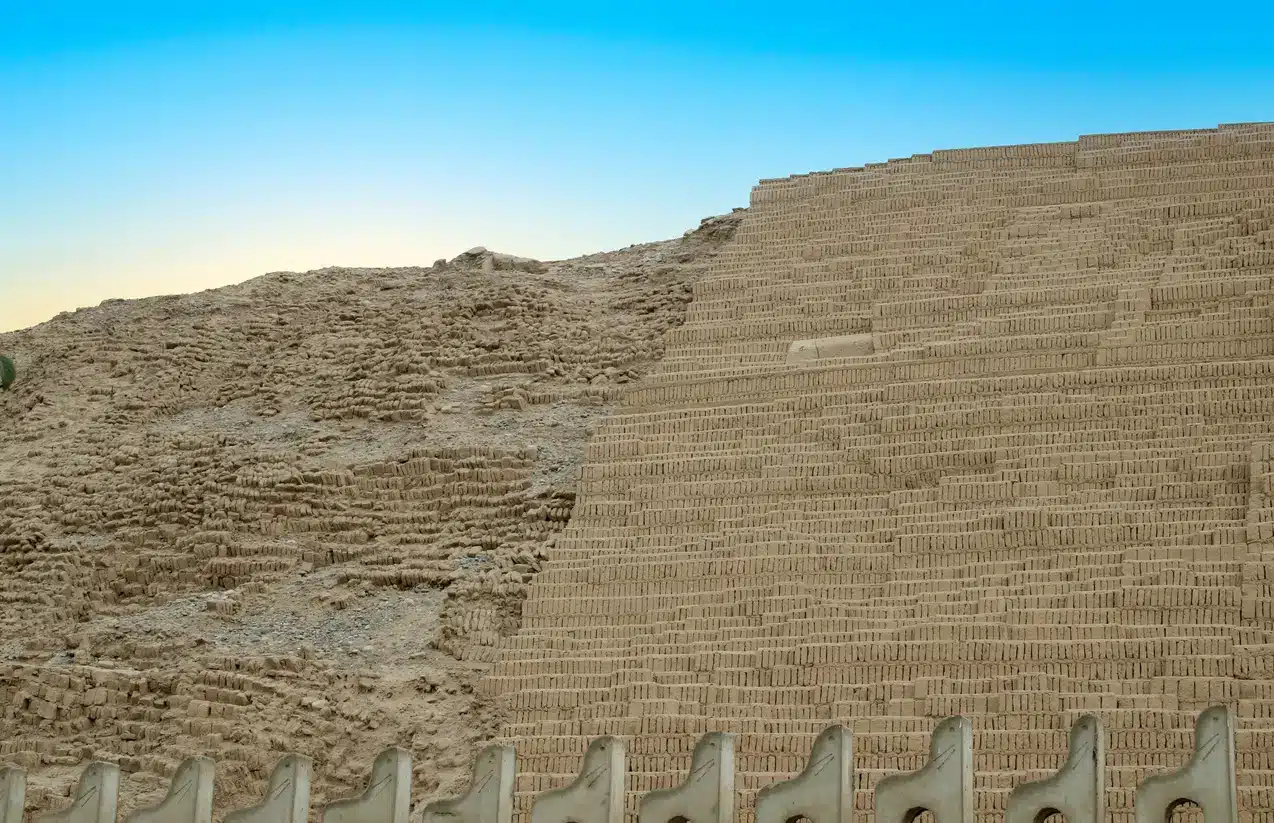
The architecture of Huaca Pucllana is impressive. The site is made up of a large pyramid built with tiny rectangular adobe bricks. The construction used a unique technique known as the “bookshelf” or “book-stack” style. Bricks were stacked vertically to withstand earthquakes, which shows the builders’ intelligence.
The pyramid stands about 22 meters (72 feet) tall, consisting of seven staggered platform levels, creating a grand appearance. There’s more. The surrounding area includes smaller structures, plazas, and courtyards that were used for different purposes. The design reflects the Lima culture’s organization and ingenuity.
Significance of the Site
Huaca Pucllana is undeniably significant in understanding ancient Peruvian cultures. It provides insights into the Lima culture’s social, religious, and political lives. The site is a real link to the past. It helps archaeologists understand how culture in Peru has changed over time.
Importantly, Huaca Pucllana bridges ancient traditions with contemporary Peruvian society. The site is an open book, teaching us about human adaptation to environments and how ancient communities built complex societies. It’s crucial for anyone interested in the roots of coastal Andean civilizations.
Rediscovery of Huaca Pucllana
Believe it or not, Huaca Pucllana was hidden for a long time. It wasn’t until the mid-20th century that archaeologists began to rediscover the site. Prior to that, the area was neglected and vulnerable to the spread of urbanization.
Fortunately, dedicated efforts in the 1980s and 1990s focused on uncovering and restoring the site. Archaeologists worked meticulously. They cleared debris, uncovering the ancient structures buried beneath years of soil and vegetation. Their work ensured the heritage of Huaca Pucllana was preserved for future generations.
Current Status of Huaca Pucllana
Today, Huaca Pucllana is a bustling museum and archaeological site. It’s open to the public, offering guided tours that provide insights into the ancient Lima culture’s history and architecture. Teachers, students, and tourists flock to the museum. The site also hosts educational programs, cultural events, and workshops to engage visitors and the local community.
In this way, Huaca Pucllana continues to play a role in education and cultural appreciation. Notably, it highlights Peru’s dedication to preserving and celebrating its valuable historical heritage.
What to See Inside the Huaca Pucllana Site Museum
Visiting the Huaca Pucllana Site Museum means stepping into a world full of history and mystery. It’s hard not to be amazed by what you’ll find here. The site holds layers of stories from ancient Peru, carefully preserved in the main pyramid, and the many artifacts on display. Get ready for an exciting journey through time that will leave you with a deeper understanding of Peru’s rich history.
The Main Pyramid
The main pyramid at Huaca Pucllana is the star attraction of the site. In the middle of busy Lima, this ancient structure stands out and offers visitors a chance to explore the history of the city long ago. It was built by the Lima culture between approximately 450 and 650 AD. You may notice that it’s made of adobe bricks stacked in a way similar to books on a shelf. This unique construction method was used to absorb shock from earthquakes. Interestingly, the pyramid was also a ceremonial and administrative center.
Visitors often marvel at its grand size and intricate design. Standing there, you can almost feel the energy of ancient civilizations. As you walk around, you might imagine the lives of those who once climbed these very steps. Without a doubt, the main pyramid at Huaca Pucllana is a must-see for history buffs and casual tourists alike.
Open Excavation Areas
While pyramids are impressive, these areas have their own magic. Here, you can observe archaeologists at work, carefully uncovering layers of history. You don’t see that every day. Watching these professionals brings stories of the past to life. They peel back the earth, revealing artifacts that have been hidden for centuries.
Many visitors find these areas fascinating. Imagine, taking a step and being the first to see something unseen for ages! Archaeologists work hard not just to uncover, but also to preserve. Their efforts help everyone learn more about the Lima culture. Open excavation areas allow you to witness history being rewritten right before your eyes.
Sacrificial Altars and Ritual Spaces
These areas reveal the spiritual depth of the Lima culture. Altars were created for offerings and sacrifices during religious ceremonies. These ceremonies were meant to honor the gods. Often, the altars show important stories from the past.
Ritual spaces often capture the imagination of visitors. Standing in these hallowed areas can be a humbling experience. Who stood here before? What ceremonies took place? These spaces leave many pondering about ancient rituals and beliefs. They remind us how civilizations used spirituality to navigate life’s complexities.
Ceremonial Artifacts
Artifacts at Huaca Pucllana are treasures in their own right. From pottery to textiles, each piece tells its own story. Don’t you love how a simple object can carry so much history? These artifacts serve as a link between today and ancient times.
Seeing these objects up close is undeniably fascinating. They help illustrate the daily and spiritual lives of the Lima people. It’s almost like having a tangible piece of history in your hands, even though you can’t actually touch them. Visitors are often left wondering about the artisans who crafted them and the people who used them.
Ancient Walls and Terraces
The ancient walls and terraces of Huaca Pucllana are another captivating feature. They illustrate the architectural brilliance of the Lima culture. Here, you can observe the use of adobe bricks and the signature book-on-shelf style. These features were designed to withstand time and natural events like earthquakes.
As you walk along these walls and terraces, the word “impressive” might just come to mind. These structures create a labyrinth of history. Treasures wait around every corner. More than just a structural wonder, they give insight into urban planning and social organization. It’s easy to see why they spark curiosity in the hearts of visitors.
Museum Exhibition Hall
How could we forget the museum exhibition hall? This indoor space has an impressive collection of artifacts and information. It acts as a complement to the outdoor experiences. Here, artifacts are displayed in thoughtfully curated exhibitions. They give context and depth to the archaeological finds outside.
The exhibition hall offers an educational journey that enriches the entire visit. You’ll find information plaques, illustrative maps, and even models of the site. Many visitors appreciate this indoor exploration. It allows one to connect the dots between what they’ve just seen outside. It’s like the cherry on top of your Huaca Pucllana experience.
Native Plants and Crops
Native plants and crops add a unique and vibrant layer to the Huaca Pucllana site. The Lima culture was skilled in agriculture. The site showcases native plants that were vital to their daily lives.
Many visitors find this natural aspect intriguing. These plants were not just for food, but had medicinal and ceremonial uses as well. Learning about them can make you appreciate the resourcefulness of the past. After all, agriculture was the backbone of civilization. At Huaca Pucllana, you see how people lived in harmony with the land.
Life-Size Reconstructions
Last but not least, life-size reconstructions really bring the past to life. They are sprinkled throughout the site, offering a dose of reality. These reconstructions vividly illustrate how people lived, worked, and performed rituals. Also, don’t you think they make the ancient world feel so much closer?
These features are very informative. They enrich the history lesson you’re getting from the site. Visitors often find these reconstructions illuminating. They provide a compelling visual context for the other features at Huaca Pucllana. There’s no better way to get a taste of ancient life than to walk among these realistic displays.
Hidden Highlights You Might Miss When Visiting the Huaca Pucllana Site Museum
If you’re planning a visit to the Huaca Pucllana Site Museum in Lima, chances are you’re going for the towering adobe pyramid and the history behind it. But beyond the main ruins, there’s a lot more to see that many visitors walk right past. The site isn’t just about ancient architecture—it also gives you a glimpse into daily life in pre-Columbian Peru, from the plants people used to the animals they raised.
Some of the best parts of the Huaca Pucllana experience are easy to miss if you’re in a rush or just sticking to the main trail. So, before you move on to the next stop on your Lima itinerary, take a few extra minutes to explore these lesser-known spots. They give you a richer, more complete look at this ancient site—and while they may not be available every day, they add great value when present.
Open-Air Presentation Area
This one’s easy to miss if you’re not paying attention. There’s a small outdoor space near the site where local guides sometimes give talks or host school groups. It’s not a big formal amphitheater, but it’s used for cultural events, storytelling, and educational activities.
Events here are occasional rather than daily, so you might catch something going on or find it quiet. Either way, it’s worth knowing about. It shows how Huaca Pucllana isn’t just a museum. It’s a living space that keeps sharing knowledge in a hands-on way.
Native Peruvian Animals
Yes, there are animals on-site—and they’re not just for show. The museum occasionally keeps llamas, alpacas, and guinea pigs in a small area to help visitors learn more about Andean life. These animals have been part of Peruvian culture for thousands of years. Back then, they were more than cute—they were food, clothing, and transport.
Seeing the animals up close gives you a clearer picture of how ancient people lived. Plus, kids love it. Keep in mind that the animals are present only at certain times and are not a permanent exhibit, but when they are, it adds a fun touch to the experience.
Traditional Craft Exhibits
You won’t always catch live artisan demos, but Huaca Pucllana sometimes highlights traditional crafts through rotating displays and gift shop items. Some days, local artisans are on-site showing off skills like weaving, pottery, or carving. Other times, you’ll see handcrafted goods for sale that reflect ancient techniques. It’s a nice bonus for anyone interested in Peru’s art and culture—not just the ruins. Even a quick glance at these pieces adds more depth to your visit.
So, next time you visit Huaca Pucllana, don’t just focus on the pyramid. These small details—the plants, the animals, the quiet corners—bring the whole site to life.
One Last Stop at Huaca Pucllana: The Dining Experience
After exploring the ancient ruins and museum, there’s one more part of the Huaca Pucllana experience you shouldn’t skip—the on-site restaurant. A lot of travelers want to know where to eat after a visit, and in this case, the answer is right next to the ruins. It’s not just convenient. It’s a rare chance to enjoy Peruvian food with a view.
The restaurant isn’t just nearby—it’s part of the same cultural complex. So you’re not stepping into a random touristy spot. It’s all connected. That makes it feel like a natural extension of the visit, not something separate or forced.
Plus, dining at Huaca Pucllana adds something extra. It gives your visit a proper ending. After walking through history, you sit down, relax, and take it all in. That’s a pretty complete experience, right?
What You Need to Know Before Visiting Huaca Pucllana Site Museum
Before you head to the Huaca Pucllana Site Museum, it helps to have some key info ready. This place is full of history, but a little planning makes the visit much smoother. Things like opening hours, admission fees, and the best time to visit really matter. So here’s a quick guide with practical tips to make your trip to the Huaca Pucllana Site Museum easy and fun:
Opening Hours
Huaca Pucllana Site Museum is usually open from 9:00 AM to 5:00 PM. But it’s a good idea to double-check the current schedule before your visit. The site is typically closed on Tuesdays, which can surprise a lot of travelers. Always check their official page or social media for updates, especially during holidays or local events.
Admission Fees
Entry to the Huaca Pucllana Site Museum is affordable, especially considering what you get in return. The general admission fee is usually reasonable, with discounted prices for students and seniors. Just remember to bring your ID to show at the entrance.
Guided tours may or may not be included in the ticket price, depending on the package you buy. But in some cases, there might be an extra fee for tours in specific languages. It’s always best to ask at the entrance.
Best Times to Visit
If you’re aiming for good photos or a more peaceful walk, early morning or late afternoon is your best bet. The lighting is softer, and the temperature is easier to handle. Midday can get hot and bright, especially if you’re walking around exposed areas.
Another good reason to go early? You’ll likely avoid large school groups or tour crowds, which tend to show up mid-morning. A quieter visit lets you take your time and enjoy the site at your own pace.
Photography Rules
You’re allowed to take regular photos throughout most of the Huaca Pucllana Site Museum. That said, there are a few restrictions. Tripods, selfie sticks, and drones are usually not allowed, especially during guided tours. Some interior areas, especially inside the museum section, may have no-photo signs, so watch for those. If you’re unsure, just ask your guide or a staff member before snapping away.
Plan Smart: Travel Tips for Exploring Huaca Pucllana Site Museum
Visiting the Huaca Pucllana Site Museum is one of the best things to do in Lima if you want to learn about ancient Peruvian history. But like any outdoor attraction, a little preparation goes a long way. From what to wear to what to bring, these simple travel tips can help make your first visit way more comfortable—and way less stressful.
Here’s what you need to know:
Wear light, breathable clothes
Lima’s sun can be strong, even when it’s cloudy. Dress in layers, but stick to light fabrics so you don’t overheat.
Use sun protection
Bring sunscreen, sunglasses, and a hat. There’s limited shade while walking around the ruins. You’ll feel it fast.
Comfortable shoes are a must
The paths around Huaca Pucllana are uneven and made of compact dirt and stone. Flip-flops won’t cut it. Go for walking shoes or sneakers with a good grip.
Bring water
You won’t find many places to refill bottles once you’re inside. Staying hydrated is key, especially if you’re visiting midday when temperatures can rise.
Carry a bit of cash
While tickets can often be paid with a card, small shops or vendors nearby may only take cash. Having some Peruvian soles on hand just makes life easier.
Go early or late in the day
The mornings and late afternoons tend to be cooler and less crowded. Also, the lighting during these times makes for better photos. It really creates a different atmosphere.
Pack light
You don’t need to bring much for this visit—a small backpack will do. Large bags can be hard to carry, especially in the sun, and some spots might not allow them.
Huaca Pucllana Site Museum and Beyond: Other Attractions to Explore
If you’re planning more stops after Huaca Pucllana—or building a full Peru itinerary—there are plenty of other places worth your time. Some are right in Lima. Others are farther out but totally worth the trip. Here are five great options to consider:
Kennedy Park – Miraflores
Just a short walk from Huaca Pucllana, Kennedy Park is always busy. You’ll find local artists, food vendors, and lots of friendly cats. It’s a great place to relax after exploring the ruins. Plus, it’s surrounded by cafés and shops, so grabbing a snack is easy.
Larcomar – Lima’s Cliffside Shopping Center
If you want ocean views after diving into history, head to Larcomar. It’s a shopping and dining complex built right into the cliffs of Miraflores. You can walk there from Huaca Pucllana in about 20–25 minutes or take a quick cab. It’s touristy, yes—but the sunset here is solid.
Barranco District – Lima’s Artsy Side
This neighborhood has a totally different vibe. It’s full of street art, small galleries, coffee shops, and local bars. From Huaca Pucllana, it’s just a short drive south. If you want a culture with a bit more edge, this is the spot. Walk the Bajada de Baños, and don’t miss the Puente de los Suspiros.
Cusco – Gateway to the Sacred Valley
Ready to leave Lima? Cusco is your next big stop. This high-altitude city was the heart of the Inca Empire and was packed with colonial buildings, ancient ruins, and traditional markets. It’s also where most travelers start their journey to Machu Picchu. Flights from Lima take more than an hour.
Machu Picchu – Peru’s Must-See Wonder
It’s not near Lima, but no Peru trip feels complete without it. From Cusco, you’ll take a train or trek to reach Machu Picchu, one of the most famous archaeological sites in the world. It’s more touristy than Huaca Pucllana, but the views and the history are next level. Just plan ahead—it gets busy fast.
Frequently Asked Questions
Before heading to the Huaca Pucllana Site Museum, it’s normal to have a few questions. If something’s still unclear, you’re probably not the only one. Here are some quick answers to things people often ask before they visit:
Can I climb the pyramid at Huaca Pucllana?
For preservation purposes, visitors aren’t allowed to climb the pyramid at Huaca Pucllana. Preserving the integrity of the ancient structure is a priority, so access is restricted to designated walkways. This ensures the site is protected for future generations and visitors can enjoy a safe and informative experience. Guided tours typically include access to certain areas around the pyramid where you can get closer views while learning about its history and significance.
Is the museum good for people who don’t speak Spanish?
Yes, the Huaca Pucllana Site Museum is accommodating to non-Spanish speakers. Many guides offer tours in multiple languages, including English and sometimes French or Portuguese, ensuring that international visitors can fully appreciate the history and cultural context of the site. Additionally, informational signs throughout the museum and site are often presented in both Spanish and English, providing accessibility for a wider audience.
Can I buy tickets at the entrance?
Tickets for Huaca Pucllana can generally be purchased at the entrance. However, it’s always a good idea to confirm current policies, as they can change depending on tourism demand or special events. It’s best to book tickets online ahead of time, especially in busy seasons, to skip long lines and pick the tour time you want.
Is there a dress code?
There’s no strict dress code for Huaca Pucllana, but it’s best to wear comfortable and practical clothes. Since the site involves walking outdoors, wearing suitable footwear is advisable. Depending on the time of year and weather conditions, visitors might also want to bring a hat, sunscreen, or a light jacket to ensure comfort during the tour.
Can I walk through the site without a guide?
The best way to explore Huaca Pucllana is with a guided tour, which gives important information about its history and meaning. Walking through without a guide is generally not allowed, as guided visits help ensure the preservation of the site and enhance understanding through expert narration.
How long should I spend at Huaca Pucllana?
A visit to Huaca Pucllana typically takes about 1 to 1.5 hours. This duration allows ample time to join a guided tour, explore the main areas of the site, and visit the museum. Visitors interested in spending more time learning about the history or exploring the gift shop may want to allocate a little extra time for those activities.
Is visiting Huaca Pucllana worth it?
Visiting Huaca Pucllana is certainly worth it for those interested in history, archaeology, and ancient cultures. The site shows a unique view of how the Lima culture lived and their traditions, offering important information about pre-Inca times. The well-preserved structure and informative tours make it a worthwhile destination for cultural and educational enrichment.
Is Huaca Pucllana close to other attractions?
Yes, Huaca Pucllana is conveniently situated in the heart of Lima’s Miraflores district, close to many well-known attractions. Visitors can conveniently combine a visit to this site with stops at nearby restaurants, shops, and cultural attractions. This makes Huaca Pucllana a convenient and worthwhile stop when exploring the lively and diverse experiences that Lima has to offer.
Final Thoughts on Visiting the Huaca Pucllana Site Museum
The Huaca Pucllana Site Museum stands out because it gives you direct access to ancient Peru without leaving the city. It’s one of the few places in Lima where you can see a real pre-Inca pyramid up close. You walk around it, not just past it. That makes the experience feel more real, even if you’re not a history buff.
It’s also a smart stop for travelers who want variety without rushing from place to place. You get ruins, culture, a bit of nature, and even food—all in one spot. It’s simple to visit, easy to reach, and worth a spot on any Lima itinerary. Not every museum can say that.
In short, the Huaca Pucllana Site Museum is a solid mix of education and atmosphere. You won’t need a full day to see it, but you’ll leave with more than a few photos. It’s one of those places that helps you connect the dots between ancient Peru and modern Lima—and that alone makes it worth your time.
If you’re heading beyond Lima, the story doesn’t stop here. A visit to the Huaca Pucllana Site Museum pairs well with a trip to Cusco and Machu Picchu—and when it comes to getting there, Inca Rail makes the journey just as memorable as the destination. We offer comfortable, scenic train rides through the Sacred Valley, giving you a smooth way to experience even more of Peru’s ancient wonders.