
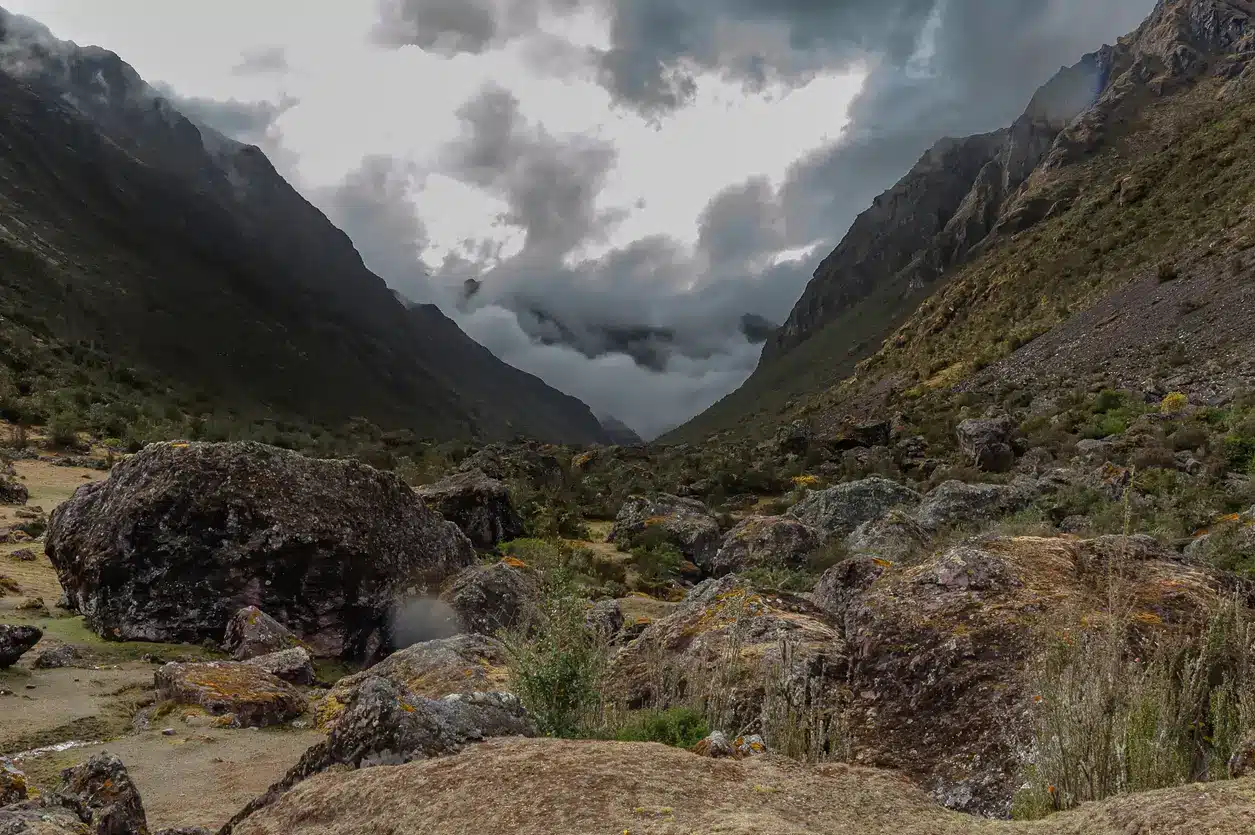
Lares Cusco: Why This Hidden Valley Is the Heartbeat of Authentic Andean Culture
Planning a trip to the Andes? For a more authentic experience, skip the crowded tourist spots and head to Lares Cusco—a hidden valley nestled in the heart of this stunning region. Surrounded by towering peaks and winding rivers, Lares Cusco is emerging as a top destination for travelers seeking an authentic Andean experience away from the typical tourist trails. This peaceful valley offers a chance to connect with nature and culture in a way that’s hard to find elsewhere.
Lares offers much more than just breathtaking landscapes. It’s a living embodiment of Andean culture, where ancient weaving traditions, Quechua-speaking communities, and centuries-old farming practices remain a central part of daily life. Unlike the fast-paced tourist circuits like Machu Picchu, Lares invites visitors to slow down, step into a more meaningful connection with the land, and engage with the locals who are deeply tied to their heritage. From the shimmering turquoise lakes to the terraced hillsides and the vibrant community life, Lares is a place where every corner tells a story of history, tradition, and harmony with nature.
If you’re considering Lares Cusco for your next adventure, this guide has everything you need to know. We’ll dive into the region’s rich local festivals, welcoming cultural homestays, and the best trekking routes that showcase the beauty of the landscape. By the end, you’ll see why Lares isn’t just another stop on your travel itinerary—it offers a transformative experience that will change the way you approach travel and leave you with lasting memories of authentic Andean culture.
What will you find here?
- Why Lares Cusco Should Be Your Next Adventure: 5 Reasons to Visit
- Why Lares Is More Than Just a Scenic Valley
- How Lares Cusco Offers a True Taste of Andean Traditions
- How Local Communities Keep Ancient Weaving Traditions Alive in Lares
- What to Expect from Lares’ Breathtaking Natural Landscapes
- What Unique Experiences Await in Lares Cusco: Trekking, Hot Springs, and More
- How to Prepare for Your Lares Adventure: Tips and Essentials
- Frequently Asked Questions
- Lares Cusco: A Journey Through Culture, Connection, and the Road to Machu Picchu
Why Lares Cusco Should Be Your Next Adventure: 5 Reasons to Visit
Lares Cusco is a remote part of the Andes that isn’t part of the typical tourist circuit—and that’s exactly why it’s worth the visit. With its peaceful and untouched landscapes, Lares offers travelers a chance to experience authentic Andean culture. Here, you won’t find the usual tourist crowds, making it an ideal escape for those seeking something truly unique.
1. Authentic Andean Culture
In Lares Cusco, you can experience the real Andean culture. The local people still follow centuries-old farming traditions and weaving practices. You’ll see them work in their villages, creating beautiful textiles using backstrap looms and natural dyes—methods that have been passed down for generations. You won’t just observe the culture—you’ll live it by interacting with the locals and learning from them.
2. Fewer Crowds, More Connection
One of the best things about Lares is that it’s not crowded with tourists. Unlike places like Machu Picchu, Lares is quiet and peaceful. With fewer people around, you can really take the time to connect with the community and your surroundings. Whether you’re hiking through the mountains or sitting in a village, the slower pace makes it easier to form genuine connections.
3. Stunning Natural Beauty
Lares Cusco is filled with stunning natural beauty. The area is surrounded by snow-capped peaks, lush valleys, and crystal-clear lakes. It’s a perfect place for anyone who loves nature. Whether you’re trekking or just relaxing, you’ll feel refreshed and inspired by the amazing landscapes.
4. Perfect for Slow Travel
If you enjoy slow travel, Lares is the perfect destination. Here, you can take your time to explore and truly immerse yourself in the local way of life. Spend your days learning about local traditions, visiting farms, or hiking at your own pace. There’s no rush—just peaceful moments and authentic experiences.
5. Sustainable and Responsible Travel
Lares Cusco is committed to sustainable travel. The area focuses on preserving its culture and environment. By visiting Lares, you’ll support local communities and help protect the region for future travelers. This is a place where tourism is done responsibly, making it an ideal destination for conscious travelers.
Lares Cusco offers an experience that goes beyond the typical tourist attractions. It’s a place where you can enjoy stunning landscapes, connect with real local culture, and slow down to truly experience the beauty of the Andes. Whether you’re into hiking, learning about traditions, or just escaping the crowds, Lares is a destination you won’t forget.
Why Lares Is More Than Just a Scenic Valley
Lares is undeniably beautiful—emerald valleys, snow-capped peaks, and glacial lakes create a landscape that’s nothing short of breathtaking. But what really makes Lares stand out is the vibrant human story that unfolds here. The villages in Lares are not just picture-perfect backdrops for travelers—they are living, breathing communities. These communities have preserved their traditions, language, crafts, and farming methods for generations, creating an experience far richer than a mere visit to a scenic spot.
In Lares, the people’s way of life is deeply tied to the land. They wear brightly woven ponchos and traditional hats, speak Quechua, and celebrate festivals that honor agricultural cycles and mountain deities. These customs aren’t staged for tourists—they are an essential part of everyday life. What you see in Lares—whether it’s communal work in the fields, llamas grazing in the highlands, or women weaving intricate textiles—happens every day, regardless of whether travelers are there to witness it. It’s a resilient and evolving culture that remains deeply rooted in tradition while adapting to the modern world.
The authenticity of Lares is felt in every moment. When you stop by a village home, you might be invited in for a cup of coca tea with an elder. You could attend a traditional blessing ceremony for the crops in April, a ritual that has been practiced for centuries. Or you might see women weaving under the mountain sun, working at open-air looms, as they have for generations. These aren’t tourist attractions—they are real, raw moments that give you a true sense of Lares, untouched by the usual tourism hype.
What makes Lares special is that it offers an experience that’s not designed for visitors—it’s simply a place where life unfolds naturally, rooted in history and tradition. The simplicity and warmth of this way of life are what make a journey to Lares so rewarding. You don’t just see the valley—you become a part of it, sharing in the beauty of both its landscape and its people.
How Lares Cusco Offers a True Taste of Andean Traditions
Lares Cusco is not just a beautiful valley—it’s a living showcase of Andean culture. The valley’s traditions are deeply woven into everyday life, and visitors can experience them firsthand in authentic, meaningful ways.
Daily Life in Lares
In Lares, you can start your day with a traditional Andean breakfast, like quinoa oatmeal and fresh eggs. As you walk through the valley, you’ll see local herders guiding alpacas and llamas to highland pastures while farmers work their potato terraces. These everyday activities aren’t set up for tourists—they’re part of the region’s way of life, connecting the community to the land.
Cultural Workshops
Lares also offers opportunities for hands-on cultural immersion. You can learn to dye yarn using natural materials like cochineal insects and plants or join a cooking session to prepare pachamanca, an ancient dish cooked underground using heated stones. These experiences give a deeper understanding of the region’s traditions. Many of these workshops are organized by local cooperatives, ensuring that the knowledge is passed on in a respectful and sustainable way.
Festivals and Celebrations
Throughout the year, Lares hosts vibrant festivals that reflect a blend of Catholic and Indigenous traditions, such as the Virgen del Carmen celebrations. These festivals aren’t just for tourists—they’re deeply spiritual events where the community comes together to honor the land, celebrate their gods, and strengthen cultural ties. It’s a chance to witness Lares’ rich traditions in an authentic setting.
Lares Cusco offers more than just stunning views. It’s a place where Andean traditions come alive, giving travelers a true taste of the culture that has shaped the valley for centuries.
How Local Communities Keep Ancient Weaving Traditions Alive in Lares
Weaving in Lares is more than just a craft—it’s a vital part of the region’s culture. Every piece of fabric tells a story, holds memories of the land, and connects the weaver to centuries of tradition. Here’s how Lares keeps this ancient practice alive:
The Process: From Wool to Weaving
Weaving in Lares begins with wool from alpacas or llamas. The wool is washed and dyed using natural resources found in the area—plants, flowers, and even insects. Cochineal insects, for example, are used to create deep reds and purples. The colors created are rich and vibrant, much like the landscape that surrounds the community.
Once the yarn is prepared, it’s stretched across backstrap looms, tied around the weaver’s waist, and the weaving begins. This process is slow and meticulous—creating a single scarf or poncho can take days or even weeks. But there’s no rush; it’s done with the same steady rhythm as life in the valley itself.
A Personal Experience: Visiting Weaving Communities
When you visit a weaving community in Lares, you’re not just a tourist observing from afar. You’re welcomed in like a friend. The women will show you how they spin the wool, explain the meaning behind the colorful patterns, and might even let you try weaving yourself. It’s a real, hands-on experience where you get to connect with the tradition in a meaningful way. When you purchase one of these woven items, it’s not just a souvenir—it’s a piece of Lares culture that you take home, carefully crafted with love and history.
Supporting Families and Preserving Tradition
Your visit to a weaving community makes a difference. The money you spend goes directly to the families, allowing women to continue weaving at home while raising their children. This not only helps keep the tradition alive but also empowers families to stay in their communities instead of leaving for jobs in the city. Weaving provides both cultural and economic resilience, helping preserve their way of life and ensuring the continuity of this ancient craft.
A Living Tradition: Weaving Beyond the Museum
What’s truly special about the weaving tradition in Lares is that it’s not preserved in a museum; it’s a living practice. The women of Lares continue to weave as part of their everyday lives, keeping their culture alive through each piece they create. When you take home one of their creations, it carries more than just a design or pattern—it carries a story, a connection to Lares, and a piece of the Andean spirit.
What to Expect from Lares’ Breathtaking Natural Landscapes
Lares is a place where the landscapes alone will take your breath away—literally, thanks to the altitude, and figuratively, thanks to the stunning beauty of the region. The scenery here is nothing short of mesmerizing, offering a peaceful and untouched environment that feels worlds apart from the usual tourist hotspots.
Diverse and Dramatic Landscapes
As you explore Lares, the landscape keeps changing. One moment, you’re walking through lush, green farmland, and the next, you’re standing at the edge of a turquoise glacial lake tucked between towering cliffs. Quiet valleys are surrounded by snowcapped peaks, and rivers carve their way through the landscape. The natural beauty here feels untouched, wide open, and peacefully isolated.
The High Altitude Experience
The higher you climb in Lares, the more dramatic and awe-inspiring the scenery becomes. You’ll pass ancient stone terraces still cultivated by local farmers using techniques handed down through generations. Along the trails, alpacas and llamas graze peacefully, adding a timeless rhythm to the landscape. The quiet is striking—you might hear nothing but the wind, the rush of mountain streams, or the soft crunch of your footsteps on stone. To fully enjoy these remote highland landscapes, it’s essential to acclimatize properly, as elevations in Lares often exceed 3,800 meters (12,500 feet).
Weather and Light: Changing the Mood
The weather in Lares can be just as dynamic as the landscape. Mornings are usually cool and crisp, with the sun warming the air by midday. In the afternoons, clouds can roll in quickly, sometimes bringing a brief rain or mist that softens the mountains into silhouettes. The evenings bring a cool breeze, especially at higher altitudes. Whether you’re watching the sunrise over a lake or sipping tea in a village as the mist rolls through, the changing light and weather create a magical atmosphere.
What Unique Experiences Await in Lares Cusco: Trekking, Hot Springs, and More
Lares Cusco isn’t filled with flashy attractions or fast-moving tours. Instead, it offers something quieter but just as powerful—experiences rooted in daily life, nature, and culture. It’s the kind of place where walking a trail, soaking in a hot spring, or helping in a field gives you a different way of seeing Peru. Here’s what travelers can expect in this remote Andean valley:
Trekking Through Andean Landscapes
The Lares Trek is one of the main draws for travelers, and for good reason. It’s a multi-day route through high mountain passes, small communities, and wide valleys dotted with lakes and grazing alpacas. The trails aren’t crowded, and the scenery shifts constantly—from terraced farmlands to snow-covered peaks.
What makes this trek different isn’t just the altitude or views. It’s the way it passes through everyday life. Along the route, you’ll often stop in villages where people still live by traditional rhythms. Treks usually include local guides and visits to homes, schools, and weaving workshops. It’s a slower hike but a more human one. Most Lares Treks end in Ollantaytambo, from where travelers typically catch a train to Machu Picchu.
Soaking in the Lares Hot Springs
Just outside the main village, you’ll find the Lares hot springs—a set of natural thermal pools surrounded by quiet hills. The water is warm, not too hot, and perfect for relaxing after a time on the trail. Locals use the springs regularly, so it’s a mix of visitors and families from the area, not a polished resort.
There’s nothing fancy here. You won’t find luxury changing rooms or spa services. But that’s part of the appeal. It’s simple and real. Soaking in the pools while mist moves through the valley is a nice break from the usual pace of travel.
Visiting Remote Quechua Villages
Several Lares treks and day trips pass through remote villages like Huacahuasi, Patacancha, and Choquecancha. These aren’t museum towns—they’re active communities where farming, herding, and weaving are part of daily life. If you’re with a guide or part of a homestay, you might get the chance to visit a local school, share a meal, or sit in on a weaving session.
These visits are low-key. You won’t find staged performances or souvenir stalls lined up for tourists. Instead, you’ll meet people who are open to sharing their world in small, honest ways. Many of these communities speak Quechua as their first language, with Spanish as a second, so guides often help bridge communication.
Trying Shorter Hikes and Nature Walks
Not every hike in Lares needs to be multi-day. There are plenty of shorter walks around the valley that take just a few hours. Some lead to lakes, while others follow trails used by local farmers and herders. These walks are a good option for those who want to explore but don’t want to camp or carry gear.
Along the way, you might spot native birds, wildflowers, or even herds of alpacas grazing on the hillsides. It’s quiet, with little infrastructure, but that’s part of what makes these walks worth doing.
Learning from Hands-On Activities
In some villages, travelers can take part in hands-on workshops. These aren’t polished classes but simple chances to learn. You might sit with a group of women as they spin, dye, and weave wool or help prepare a basic Andean dish cooked over an open fire.
Some workshops also involve traditional farming tools or natural dyeing methods using plants, roots, and insects. These moments help visitors understand how skills are passed down—and how daily routines still carry deep cultural meaning.
Learning About Traditional Plant Medicine
In Lares, many families still use ancestral knowledge to treat everyday ailments with native plants. Muña is brewed into a tea for digestion, eucalyptus leaves ease headaches, and various roots and flowers are used in ways passed down for generations. These practices are part of daily life, not a show for visitors.
Some guides or community members may introduce you to these plants during a walk or workshop. You might learn how to make a soothing balm or brew an herbal infusion over an open fire. These simple but powerful remedies reflect a deep understanding of the land and its healing potential.
Discovering Ancient Terraces and Sacred Sites
While Lares doesn’t have the large-scale ruins found elsewhere in the Sacred Valley, it’s full of ancient agricultural terraces and stonework that speak to centuries of Andean knowledge. Many of these places are still in use today, tended by farmers who walk the same trails their ancestors once did.
On a hike, you might come across carved stones, old pathways, or sites considered sacred by the local community. These aren’t marked by signs or fences—you’ll need a guide or local context to fully understand their meaning. But stumbling upon these quiet, historic spots adds depth to every journey through the valley.
Staying Overnight with a Local Family
A night spent in a family home offers one of the most immersive ways to experience Lares. You’ll share meals made with local ingredients, sleep under thick wool blankets, and get a glimpse of daily life that few travelers see. It’s not a performance—it’s hospitality rooted in tradition and trust.
Expect simplicity: limited electricity, clay stoves, and meals prepared with care. You might help with small chores or simply sit and talk, learning more about the land and people than you could from any guidebook. It’s an experience that often becomes the heart of a traveler’s memory.
Watching (or Joining) Seasonal Activities
Lares follows the Andean farming calendar. At certain times of the year, you might see planting, harvesting, or rituals connected to the land. These include small ceremonies, like offerings to the earth or communal work in potato fields.
Festivals happen, though not every month. If your visit lines up with one, expect music, dancing, and local foods—but also long hours of preparation and spiritual focus. Visitors are sometimes invited to watch or take part, depending on the community and the event.
Camping Under the Stars
With little light pollution and wide-open skies, Lares is an incredible place to experience Andean nights. Whether you’re on a multi-day trek or spending one night outdoors, camping here gives you a sense of peace and closeness to nature that’s hard to find elsewhere. On clear nights, you can see the Milky Way stretching across the sky.
The campsites are simple, often near quiet streams or nestled between peaks. You’ll fall asleep to the sound of wind and water and wake up to the golden light of sunrise on the mountains. It’s a chance to step away from the noise and settle into the slower rhythm of the Andes.
Ultimately, there’s no set list of must-do activities in Lares. You can hike, soak, help, or simply sit and watch life go by. Some travelers spend a few days here as part of a longer journey through the Sacred Valley. Others come back because the slower pace and real connections left a stronger impression than expected.
What matters most is how you experience it—not how many places you visit or photos you take.
How to Prepare for Your Lares Adventure: Tips and Essentials
Heading to the Lares Valley? Great choice—it’s one of the most beautiful and authentic experiences in Peru. But this isn’t your average vacation. You’ll be hiking in the mountains, visiting small villages, and spending time in places that don’t always show up on the map. A little prep goes a long way toward making your Lares trip smooth, safe, and special.
What to Pack: Don’t Leave Home Without These
Lares is stunning, but it’s no walk in the park. The weather changes quickly, and with the altitude, even easy hikes can feel like a workout. Packing right makes all the difference between enjoying the views and just trying to make it through the day. You don’t need fancy gear, but you do need the right stuff to keep you warm, dry, and ready for anything.
Clothing: Layer Up
Think layers. Mornings can be cold, afternoons sunny, and evenings chilly again—sometimes with rain thrown in. Start with thermal underwear, then add a fleece or hoodie, and top it off with a rain jacket or windbreaker. And no matter the season, nights get cold, so don’t forget warm things like a beanie, gloves, and a scarf or neck buff. Quick-dry hiking pants are a great choice for your legs—jeans just don’t cut it on the trail. And for your feet, bring 2–3 pairs of moisture-wicking wool socks. Trust us: dry, warm feet are gold.
Footwear: Sturdy Boots Are a Must
This isn’t the place for new shoes. Bring sturdy, well-broken-in hiking boots—ideally waterproof. The trails can get muddy, rocky, and steep, sometimes all in one day. Trekking poles might seem optional, but they’re a game-changer, especially when you’re heading downhill or crossing streams. You’ll be glad you brought them.
Daily Essentials: Stay Hydrated and Protected
Staying hydrated is key, but don’t rely on bottled water. Bring a reusable bottle and a purification method—like tablets, a filter, or a UV pen—so you can refill from local streams or village taps. The sun is intense up here, even when it’s cool, so pack sunscreen, lip balm with SPF, and sunglasses. And since altitude affects everyone differently, it’s smart to bring any medications you might need for headaches or nausea.
Trip Prep Tips: Before You Go
Best Time to Go
The dry season, from May to September, is the most popular for a reason. Trails are clearer, skies are usually blue, and the scenery really pops. But it’s also when more travelers are around, so it’s smart to book early. Just remember—weather in the Andes is never 100% predictable. Always bring a raincoat, no matter when you go. The shoulder seasons (April and October) can also be great times to visit for fewer crowds, but the weather can be more variable.
Getting in Shape
Even short hikes feel longer when you’re at 3,000 meters or more. If you’re planning a multi-day trek, a bit of training before you leave can really help. Focus on cardio and leg strength. Hiking with a light pack on flat ground is a good start. If you can, try to get in a few uphill walks or stair climbs to mimic the trail conditions.
Booking Tips: Make the Most of Your Trip
You don’t need a permit to trek in Lares, but that doesn’t mean you can wing it last-minute—especially in high season. Try to book 4–6 weeks in advance to get the itinerary and dates you want.
If you have the option, choose a trip that includes homestays. Spending a night or two with a local family is often what travelers remember most. You’ll eat traditional meals, maybe try weaving or farming activities, and sit by the fire listening to stories. It’s an honest, heartwarming experience—and a direct way to support the families who live in the valley.
Another great thing about Lares is how flexible it is. Some itineraries are more hiking-focused, while others build in extra time for cultural visits like weaving cooperatives or hot springs. Don’t be shy—if there’s something you’re curious about, like how locals farm or what food they cook for festivals, let your guide know. They’ll often be able to tailor the experience to match your interests.
Extra Travel Tips
- Learn a Few Words: Learn a few words in Spanish or Quechua. Simply saying hello or thank you in the local language can make a big difference. In Lares, learning basic phrases in Quechua will be especially appreciated by locals, who still speak it regularly.
- Dress Respectfully: Dress respectfully when passing through villages—long pants and sleeves are best, especially around elders and families. Avoid overly revealing or flashy clothing, as it may be seen as inappropriate in more traditional settings.
- Ask Before You Shoot: Always ask before taking photos of people. It’s a sign of respect and helps build a real connection. Be mindful of the local customs, as some people may prefer not to be photographed.
- Bring Small Gifts: Bring small gifts like school supplies or locally bought snacks if you’d like to offer something, but avoid giving out candy or cash. Practical items like notebooks or pens are often more useful than food or money, and they help promote sustainable, respectful exchanges.
- Be Curious and Kind: Be curious and kind. Say yes to new foods, take your time, and soak it all in. The mountains move at their own pace—and that’s part of the magic. Respect local customs and appreciate the simplicity and authenticity of life in Lares.
Frequently Asked Questions
Planning a trip to Lares, Cusco brings up lots of practical questions—especially since it’s a less-traveled part of Peru. Whether you’re curious about how to get there, what to pack, or what kind of experience to expect, this section covers the most common questions travelers ask. It’s here to help you feel more prepared, more confident, and ready to make the most of your time in this unique part of the Andes.
Is altitude sickness a concern in Lares, Cusco?
Altitude sickness can be a concern in Lares, Cusco, as the region sits at a high altitude, similar to much of the Andes. Visitors are advised to take it easy upon arrival to acclimatize, stay hydrated, and consume local remedies such as coca tea. Symptoms can include headaches, dizziness, and nausea, so it’s essential to be prepared and considerate of one’s health.
Is Lares a good alternative to the Inca Trail?
Lares is considered a fantastic alternative to the Inca Trail, offering a more tranquil and culturally enriching experience. While the Inca Trail is famous for its direct connection to historical sites leading to Machu Picchu, Lares provides insights into traditional Andean life and less crowded trekking routes. It’s ideal for trekkers seeking beautiful landscapes, authentic encounters with local communities, and a more serene journey.
What is the Lares Trek, and how long does it take?
The Lares Trek is a popular multi-day trekking route in the Cusco region, typically spanning 3 to 4 days. It offers trekkers breathtaking views of the Andes, visits to remote Quechua villages, and opportunities to see traditional weaving practices. The trek culminates near Ollantaytambo, from where travelers can continue on to Machu Picchu, usually by train.
What kind of fitness level do I need to visit Lares?
Visitors to Lares should have a moderate level of fitness, especially if planning to undertake the Lares Trek. The trek includes steep climbs and drops at high altitudes, which can be tough even for those in good shape. Preparing with some cardiovascular exercises and getting acclimated to the altitude prior to trekking can enhance the experience and make it more enjoyable.
Are there shorter hikes or day treks in Lares?
Yes, there are shorter hikes and day treks available in the Lares region, ideal for those with limited time or wanting a less strenuous experience. These hikes allow visitors to enjoy the area’s stunning landscapes, visit local communities, and explore natural sites like the Lares hot springs. Guides can tailor these shorter excursions to suit different interests and fitness levels.
Are there other outdoor activities besides trekking?
In addition to trekking, Lares offers other outdoor activities, such as horseback riding, which can provide a different perspective of the landscapes. Visitors may also explore cultural tours that include visiting traditional looms and participating in weaving workshops. The hot springs in Lares offer a soothing way to relax and take in the natural beauty after a day of outdoor adventures.
What villages can I visit in Lares?
The Lares region is home to several charming traditional villages, such as Cuncani, Huacahuasi, and Patacancha. These villages offer insights into the daily life, culture, and traditions of the Quechua people, including their renowned weaving techniques. Visiting these communities provides a meaningful connection with local residents and a chance to experience their warm hospitality.
What is daily life like for locals in Lares?
Daily life for locals in Lares revolves around agriculture, herding, and traditional crafts, such as weaving. The communities are largely self-sufficient, with people tending to their crops, livestock, and textile production. Tradition and family play a significant role in social activities, preserving cultural practices and fostering close-knit community ties.
What are the hot springs like in Lares, Cusco?
The hot springs in Lares, Cusco, are a popular attraction known for their relaxation and therapeutic qualities. Located in a beautiful natural setting, they offer a special chance to relax and soak in the peaceful surroundings. The mineral-rich waters are reputed to have various health benefits, making them a soothing experience for both locals and visitors.
Is there Wi-Fi or cell service in Lares?
Wi-Fi and cell service can be limited or unreliable in Lares, particularly in remote areas and during trekking expeditions. Larger villages or accommodations might offer some connectivity, but it’s best to prepare for limited access. This digital detox can enhance the experience of connecting with nature and the local culture without distractions.
How many days should I spend visiting Lares, Cusco?
Spending 3 to 5 days in Lares Cusco allows visitors to fully appreciate the region’s beauty and culture, including time for acclimatization, exploration, and relaxation. This duration provides a balance between undertaking multi-day treks like the Lares Trek and enjoying shorter hikes or hot springs visits. It captures the essence of the area without being rushed.
Is Lares Cusco worth visiting?
Lares Cusco is worth visiting for its stunning landscapes, cultural richness, and quieter alternative to more crowded tourist areas like the Inca Trail. It offers a unique experience through its traditional villages, welcoming communities, and scenic trekking routes. Visitors often leave with meaningful cultural insights and memorable encounters in a serene environment.
Is it possible to combine Lares with a visit to Machu Picchu?
Yes, it is possible to combine a visit to Lares with a trip to Machu Picchu. Trekkers often conclude the Lares Trek in Ollantaytambo, from where they can take the train to Aguas Calientes, the gateway to Machu Picchu. This combination provides an enriching experience, blending cultural immersion with the iconic wonder of the ancient ruins.
Lares Cusco: A Journey Through Culture, Connection, and the Road to Machu Picchu
Visiting Lares Cusco isn’t just about stunning landscapes or high-altitude trekking. It’s about stepping into a way of life that still follows ancient rhythms. You hear it in the river’s flow past terraced fields, taste it in warm quinoa soup, and feel it in every quiet smile from a weaver sharing her craft. The Lares Valley moves slowly—but meaningfully—and what stays with you long after the hike ends isn’t only the scenery but the connection.
Traveling through Lares changes your pace. You may not understand every Quechua word or story woven into a textile, but you’ll feel the care behind them. That’s the power of this lesser-known corner of the Andes. It reminds you that authentic experiences don’t always come with crowds or big-ticket attractions. Sometimes, the most memorable parts of your trip are the still moments, the kind conversations, and the mountain silence that gently teaches you presence and perspective.
And if you’re wondering how to tie it all together, visiting Lares Cusco can be seamlessly combined with a journey to Machu Picchu. Inca Rail offers reliable and scenic train service through the Sacred Valley, connecting you from Cusco or Ollantaytambo to Machu Picchu Pueblo. It’s an easy and enriching way to experience both the quiet beauty of the Lares Valley and the world wonder that is Machu Picchu—without rushing either. Let Inca Rail be your link between Peru’s hidden gems and its iconic highlights.


